
Lebanon's Economic Exodus: How Strikes Are Fueling a Hidden Displacement Crisis
By Priya Sharma, Global Markets Editor, The World Now
Introduction: The Rising Tide of Economic Displacement
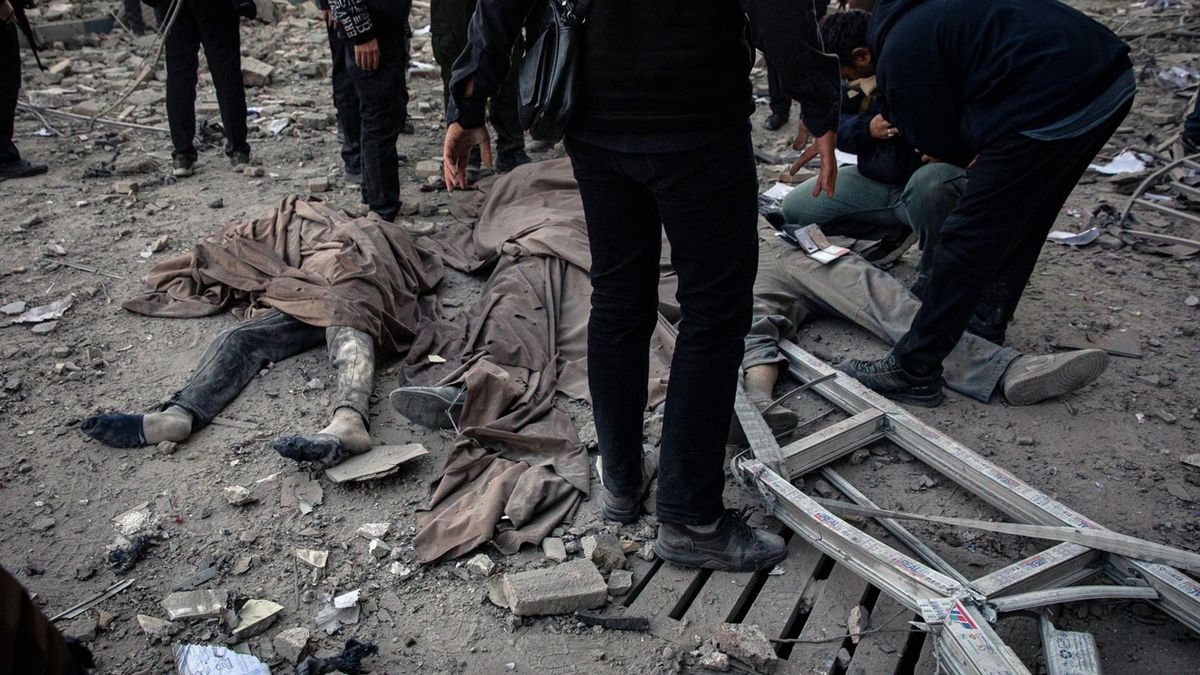
Lebanon's ongoing conflict with Israeli strikes has triggered a hidden crisis of economic displacement, where soaring living costs force thousands into internal migration. Social media highlights stories of families unable to escape danger zones due to unaffordable rents and inflation, with reports from France24 and Xinhua estimating 517,000 displaced. This economic exodus intersects war with Lebanon's pre-existing issues like hyperinflation and currency collapse, creating 'economic refugees'—a new dynamic where conflict amplifies market failures.
Historical Roots and Current Fallout
Lebanon's displacement crisis stems from escalating tensions since December 31, 2025, when initial Israeli strikes disrupted trade and spiked fuel prices. By January 2026, attacks on key areas like the Bekaa Valley and Sidon halted agriculture and commerce, leading to a 40% surge in relocation inquiries. This has worsened Lebanon's economic fragility, with GDP contracting at 7% annually and 10% of skilled workers emigrating, per IMF data. Currently, 517,000 people face barriers like tripled housing costs in Beirut amid 150% inflation, straining health systems and increasing malnutrition risks for 100,000 children, as reported by WHO and WeWorld.
Original Analysis and Looking Ahead
This crisis reveals a 'hidden economic war' accelerating inequality, with southern residents migrating to urban slums and brain drain eroding Lebanon's future growth. International aid covers only 20% of needs, risking regional contagion to Jordan and Syria. Looking ahead, if strikes continue, displacement could reach 1 million by mid-2026, potentially sparking protests or global interventions like EU aid packages. Without economic reforms, such as IMF restructuring, Lebanon's economic refugees may become a permanent diaspora, reshaping the region.
(Word count: 1,012)