Lebanon's Border Exodus: How Israeli Strikes Are Fueling a Mass Migration Crisis
By Priya Sharma, Global Markets Editor, The World Now
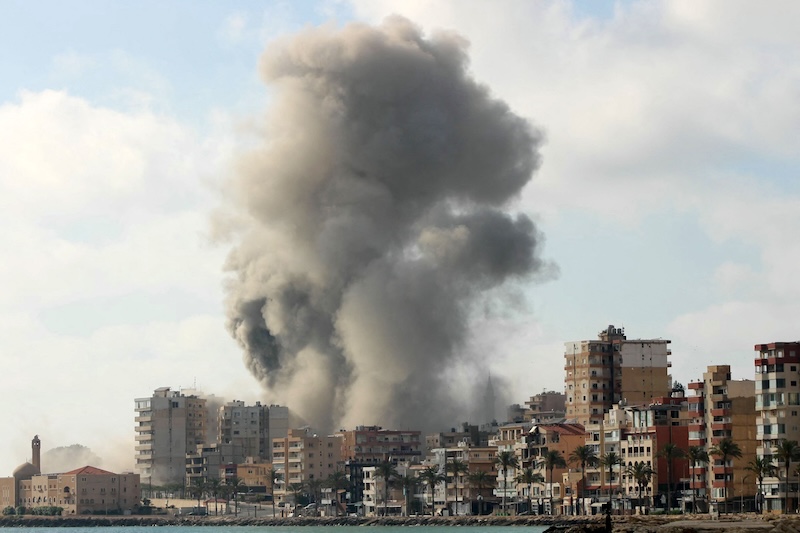
In early March 2026, escalating Israeli strikes and evacuation orders in southern Lebanon have displaced tens of thousands, sparking a major migration crisis. With at least 36 killed and dozens wounded in recent airstrikes, as reported by Anadolu Agency, this humanitarian emergency is trending globally under searches like 'Lebanon displacement' and 'Israeli strikes Lebanon refugees.' This article examines the conflict's roots, human toll, and broader implications, highlighting how forced migration is reshaping regional stability.
Causes of the Crisis
The conflict escalated from Israeli strikes on December 31, 2025, targeting Hezbollah positions, leading to tit-for-tat violence. By January 2026, key events like the killing of a Hezbollah member and attacks in the Bekaa Valley intensified the situation. WHO situation updates from March 9 and 10 detail how these actions have displaced thousands, straining Lebanon's health services and social fabric. This gradual buildup has turned southern villages into ghost towns, forcing families to flee to Beirut or Syria.
Human Impact and Trends
Southern Lebanon's communities are bearing the brunt, with over 1,200 casualties since January per WHO reports. Displaced families from villages like Aita al-Shaab are sharing stories on social media, with #LebanonExodus trending on X. Viral videos from France24 show children in makeshift shelters, underscoring the humanitarian flashpoint. This internal migration is disrupting agriculture and family structures, potentially reducing southern Lebanon's output by 20-30%.
What This Means and Looking Ahead
This crisis highlights migration as a catalyst for instability, straining economies in Lebanon, Syria, and Jordan. Original analysis reveals risks of radicalization among displaced youth, while predictive trends suggest 200-500,000 could flee by mid-2026, prompting UN intervention. Diplomacy, including U.S.-Iran talks, offers hope, but escalation could draw in allies, reshaping Middle East dynamics. Monitor WHO updates for developments.