Lebanon conflict advances as Israeli forces cross Litani River
In the Lebanon conflict, Israeli troops have crossed the Litani River and advanced deeper into southern Lebanon. Israeli Prime Minister Benjamin Netanyahu confirmed the crossing north of the Litani River and south of Nabatieh during a border visit. The moves come amid a faltering 45-day ceasefire that began April 16.
Military Advances
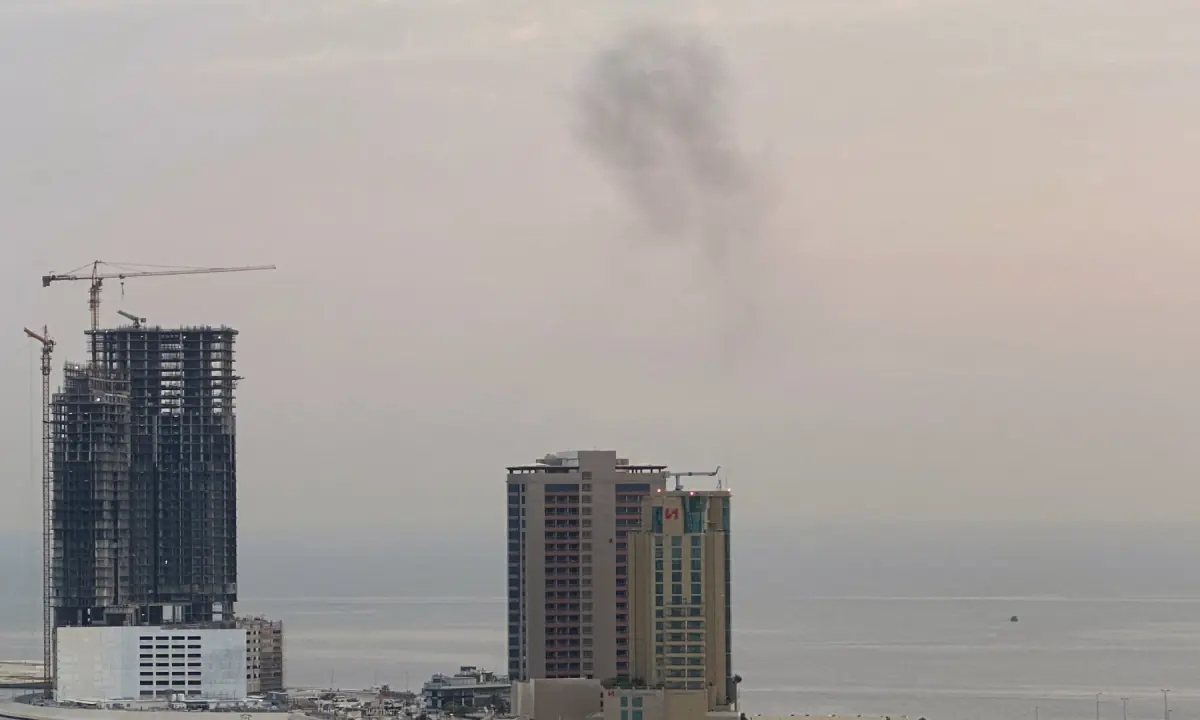
Israeli forces have pushed further north in southern Lebanon, crossing the Litani River, which serves as a key reference point marking the limit of a UN-monitored zone. Netanyahu made a surprise visit to the Lebanese border and stated that troops had crossed north of the Litani River while advancing south of Nabatieh. The operations followed more than a week of intensified Israeli military activity in the area, including air strikes, drone attacks, and artillery bombardments. These actions aimed at securing strategic high ground near Nabatieh. Reports indicate that the advances represent a deeper incursion into Lebanese territory despite the existence of the ceasefire agreement. [1] [4]
Diplomatic Meetings
Lebanese and Israeli military officials met at the Pentagon in Washington to discuss implementation of the faltering 45-day ceasefire. The US-mediated talks sought to reinforce the April 16 truce that both sides had agreed upon. Lebanese Army Commander Joseph Aoun urged US officials, including Secretary of State Marco Rubio, to prioritize an immediate truce. The meetings occurred as Israeli forces continued operations deeper into southern Lebanon and civilian casualties mounted. The discussions focused on salvaging the ceasefire arrangement amid ongoing tensions. [2] [5]

Israeli forces advance deeper into southern Lebanon north of the Litani River. — Source: thenewarab
Evacuation Orders and Displacement
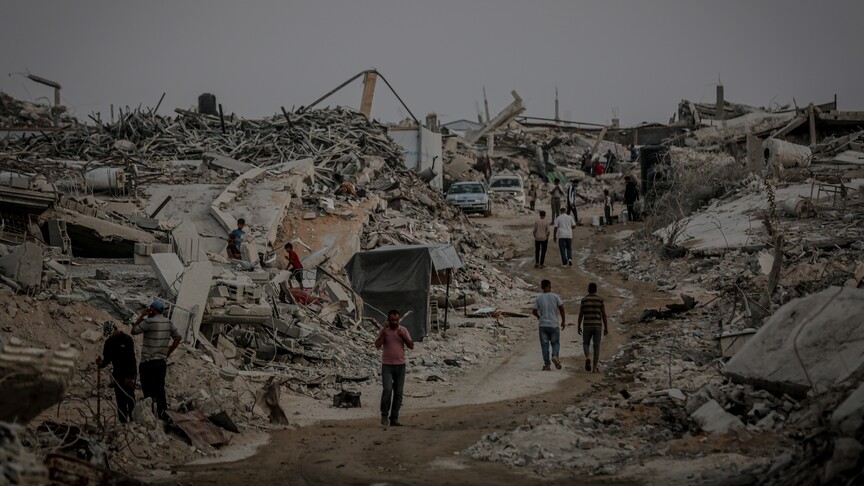
Israel issued additional evacuation warnings for villages in southern Lebanon, prompting large-scale displacement south of the Zahrani River. These orders overwhelmed collective shelters, particularly in the Saida and Tyre districts of the South Governorate. The warnings affected residents across multiple areas and contributed to further movement of civilians away from the conflict zone. Displacement orders triggered significant strain on local resources as people sought safety in already crowded facilities. [2] [3]
Ongoing Hostilities in Lebanon Conflict
Hostilities continued despite the ceasefire extension announcement. Airstrikes and displacement orders affected at least 61 additional localities in southern Lebanon. Fighting between Israeli forces and Iran-backed Hezbollah militants persisted for weeks even after the truce took effect. Reports detail ongoing exchanges that have maintained pressure on communities in the affected regions. The pattern of strikes and warnings has sustained the cycle of disruption along the border areas. [1] [3] [5]

Map showing Israeli forces crossing the Litani River south of Nabatieh. — Source: reliefweb
Ceasefire Extension Challenges
The 45-day ceasefire that started on April 16 has faced repeated strains from both military movements and civilian evacuation directives. Officials from Lebanon and Israel convened in Washington specifically to address implementation gaps in the agreement. The talks highlighted difficulties in maintaining the truce while ground operations advanced beyond previously established lines. Extension efforts have not fully halted the sequence of warnings and strikes reported in the south. [5]
Humanitarian Shelter Pressures
Displacement south of the Zahrani River has placed heavy demands on collective shelters in Saida and Tyre districts. A total of 33,731 people have been recorded as affected by the latest orders, adding to existing strains on local infrastructure. The influx has complicated efforts to provide adequate support in the South Governorate amid continued hostilities. Shelter systems in these districts reported being overwhelmed by the scale of arrivals following the new evacuation notices. [3]
What to watch next: Further developments in the Washington talks on ceasefire implementation and any additional Israeli evacuation warnings for villages south of the Zahrani River remain key points to monitor.