
Landfill Collapse in Cebu, Philippines Kills One, Leaves at Least 27 Missing
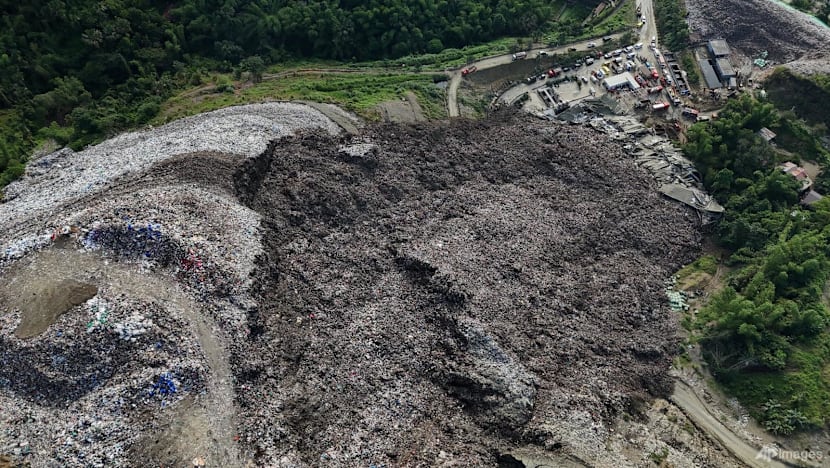
Cebu City, Philippines — A massive mound of garbage and debris collapsed at a landfill in Cebu City on Friday, killing at least one person and leaving at least 27 others missing, according to Philippine police. Rescue operations are underway amid fears that the death toll could rise as search efforts continue.
The incident occurred early Friday morning at the Binaliw landfill, triggering a high-severity emergency response. Philippine authorities confirmed one fatality, with the number of missing individuals reported as at least 27 by police statements cited in initial coverage. Reports indicate dozens may be unaccounted for, highlighting the scale of the disaster in one of the country's key urban areas.
Details remain limited as emergency teams navigate unstable terrain covered in waste. It was unclear whether those affected included individuals beyond landfill workers, such as nearby residents or scavengers common at such sites. The collapse buried sections of the facility under tons of refuse, complicating access for rescuers equipped with heavy machinery and sniffer dogs.
Local disaster response units, including the Cebu City Disaster Risk Reduction and Management Office, mobilized immediately following the 4:51 a.m. GMT collapse. Police and firefighters worked through the day, battling not only the physical hazards of shifting garbage but also potential risks from methane gas buildup and secondary slides. No immediate reports detailed injuries beyond the confirmed death and missing persons, though the situation was described as fluid.
Background on Philippines' Landfill Challenges
The Philippines has long grappled with waste management crises, exacerbated by rapid urbanization, population growth, and limited infrastructure. Cebu City, a bustling economic hub in the Visayas region with over 1 million residents, relies on landfills like Binaliw to handle mounting garbage volumes. Similar incidents have plagued the nation historically; the 2000 Payatas landfill collapse in Quezon City, Metro Manila, killed over 200 people and injured hundreds more when a 50-foot-high garbage mound gave way after heavy rains.
Such events underscore systemic issues. The country generates approximately 40,000 tons of solid waste daily, according to government data, with only about 78% collected properly. Overloaded landfills often operate beyond capacity, lacking modern engineering like liners or leachate controls. Recent studies by the Department of Environment and Natural Resources (DENR) have flagged sites nationwide for instability, including in Cebu province. Climate factors, such as frequent typhoons and monsoons, further heighten risks, though no specific weather trigger was mentioned for this collapse.
Regulatory efforts have intensified post-Payatas. The Ecological Solid Waste Management Act of 2000 mandates sanitary landfills and recycling, but enforcement lags, particularly in local government units. In Cebu, audits have previously warned of Binaliw's vulnerabilities due to informal dumping and scavenging activities that destabilize piles.
Ongoing Response and Implications
As of Friday evening, search and rescue operations persisted, with authorities urging the public to avoid the area. Cebu City Mayor Michael Rama activated emergency protocols, coordinating with national agencies like the National Disaster Risk Reduction and Management Council (NDRRMC). Temporary shelters were prepared for any displaced workers or residents, though no evacuations were reported.
The incident draws parallels to other recent accidents in the Philippines, including mining collapses and building fires, reflecting broader infrastructure strains. Environmental groups have called for immediate investigations into the landfill's maintenance and compliance.
While the full scope of casualties awaits confirmation, this tragedy renews urgency for sustainable waste solutions. Experts anticipate government reviews of landfill operations nationwide, potentially accelerating transitions to waste-to-energy facilities and enhanced monitoring systems planned under the current administration.
The World Now will continue monitoring developments as rescue teams provide updates.
(Word count: 612)