
Landfill Collapse in Binaliw, Philippines Claims One Life, Leaves at Least 27 Missing
Binaliw, Philippines — A massive landfill collapse early Friday morning in Binaliw, Philippines, has resulted in one confirmed death and at least 27 workers reported missing, highlighting ongoing safety concerns at the country's waste disposal sites.
The incident occurred at approximately 4:51 a.m. GMT on January 9, 2026, when a towering waste mound at the landfill site gave way, burying dozens of workers beneath tons of garbage. Local authorities have confirmed one fatality, with rescue operations underway to locate the missing individuals, many of whom were employed at the facility. Reports indicate that the collapse trapped numerous workers, with "dozens" initially buried according to eyewitness accounts and early dispatches from the scene.
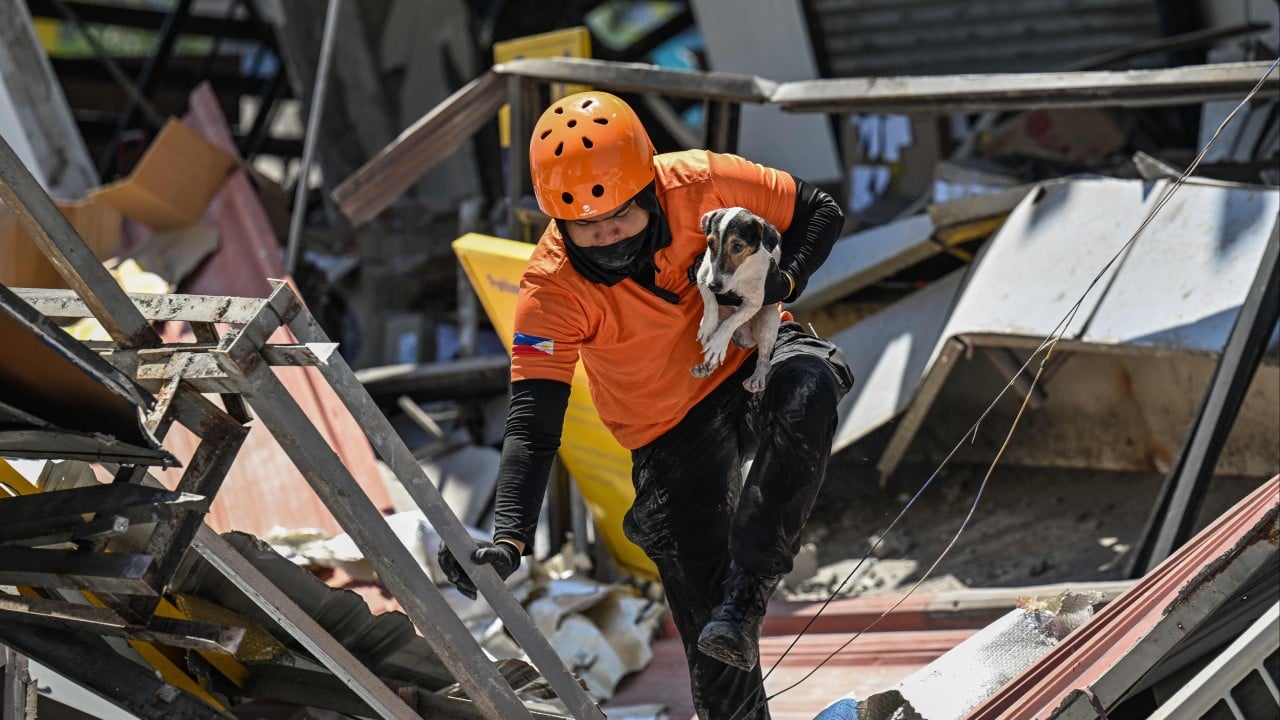
Rescue teams, including local emergency responders and heavy machinery operators, were mobilized immediately following the collapse. Efforts focus on sifting through the unstable debris, which consists of accumulated municipal waste, posing risks of further slides and hazardous material exposure to rescuers. As of the latest updates around 10:09 a.m. GMT the same day, searches continued amid challenging conditions, with no additional confirmed recoveries reported.
The event unfolded at a landfill in Binaliw, a location in the Philippines known for handling regional waste. Eyewitnesses described a sudden and catastrophic failure of the waste pile, likened to a "waste mountain" crumbling without warning. Workers at the site, often engaged in sorting, compacting, and other manual labor, were caught off-guard during what was described as a routine early-morning shift.
Background on Philippines' Waste Management Challenges
The Philippines has long grappled with inadequate waste management infrastructure, a problem exacerbated by rapid urbanization, population growth, and limited funding for modern facilities. According to data from the World Bank and the Philippine Department of Environment and Natural Resources (DENR), the country generates over 40,000 tons of solid waste daily, much of which ends up in open dumpsites rather than sanitary landfills.
Many of these sites, including those in rural and semi-urban areas like Binaliw, lack proper engineering such as liners, leachate collection systems, or slope stabilization. This makes them vulnerable to collapses, especially following heavy rains or overloading. The 2000 Payatas landfill disaster in Quezon City, where a garbage avalanche killed at least 218 people and left hundreds missing, remains the deadliest such incident in Philippine history, serving as a stark reminder of these risks.
National laws, including Republic Act 9003 (Ecological Solid Waste Management Act of 2000), mandate the closure of open dumpsites and transition to controlled facilities by 2025. However, compliance remains uneven, with over 500 unregulated dumpsites still operational as of recent DENR audits. Informal waste pickers and low-wage laborers, who form the backbone of these operations, often face the highest dangers, working without adequate protective gear or safety protocols.
Climate factors compound the issue. The Philippines, situated in the typhoon belt of the Pacific, experiences frequent heavy rainfall that can destabilize waste piles. Although no immediate weather trigger has been confirmed for the Binaliw incident, the timing aligns with the tail end of the northeast monsoon season, which brings intermittent downpours to parts of the country.
Rescue Efforts and Government Response
Local government units in the affected area have coordinated with national agencies, including the National Disaster Risk Reduction and Management Council (NDRRMC), to support recovery operations. Ambulances and medical teams stand ready at staging areas, while engineers assess the site's stability to prevent secondary collapses.
Philippine President Ferdinand Marcos Jr.'s administration has prioritized disaster response, with recent budget allocations for waste infrastructure under the years. However, critics, including environmental groups like GAIA Philippines, argue that enforcement of closure orders and investment in engineered landfills lag behind commitments.
As of Friday midday, no official statements from DENR or local officials detailed the cause of the collapse, pending a technical investigation. Preliminary assessments point to possible overloading or structural failure of the waste mound.
Outlook for Recovery and Prevention
Search and rescue operations are expected to continue around the clock, with hopes pinned on advanced equipment like excavators and thermal imaging to locate survivors. The human toll underscores the urgent need for improved site safety, including real-time monitoring systems and worker training.
This tragedy adds to a string of waste-related accidents in Southeast Asia, where similar collapses have occurred in Indonesia and Vietnam. For the families of the missing and the lone confirmed victim, the coming hours are critical. Authorities urge the public to avoid the area and support official channels for information.
The Binaliw incident serves as a call to action for accelerated reforms in the Philippines' waste sector, potentially influencing policy reviews ahead of the 2025 dumpsite closure deadline. Updates on the missing workers and investigation findings are anticipated in the coming days.
(Word count: 712)