Israeli strikes kill 18 in Lebanon as bombardment intensifies in the south
Israeli forces carried out a strike Lebanon that has drawn renewed attention to the border region, with multiple reports confirming deaths and damage across targeted areas. The events unfolded amid a series of air and artillery actions that Lebanese state media linked directly to the opening day of Eid al-Adha.
Overview of Israeli strikes in Lebanon
Reports detail that the Israeli army launched air and artillery attacks on eastern and southern Lebanon. [2] These operations involved multiple waves of strikes that state media described as coordinated across several fronts. The pattern showed a focus on both populated towns and surrounding terrain, consistent with an escalation in the use of aerial assets alongside ground-based artillery. Lebanese sources tracked the movements in real time, noting that the attacks began early in the day and continued through subsequent hours. Observers recorded at least two fatalities from initial airstrikes, a figure that later rose as additional sites were assessed. [2] The overall scope indicated sustained pressure on positions in the south and east, with no immediate indication of de-escalation.
Casualties from strikes in southern Lebanon
The death toll from the strikes reached 18 according to compiled reports. [3] Separate accounts specified that two people were killed and another injured during an airstrike on Deir Aames. [4] These figures emerged from field assessments conducted by local agencies and the Lebanese health ministry, which characterized the incidents as part of a series of massacres on the preceding day. The ministry’s statements underscored the concentration of civilian impact in the affected southern zones. Cross-referencing of early Wednesday reports with later updates confirmed the minimum of two deaths from the Deir Aames strike alone, while broader tallies incorporated additional losses from other locations. [3] The progression from initial low counts to the final reported total of 18 reflected ongoing verification efforts amid continuing bombardment.
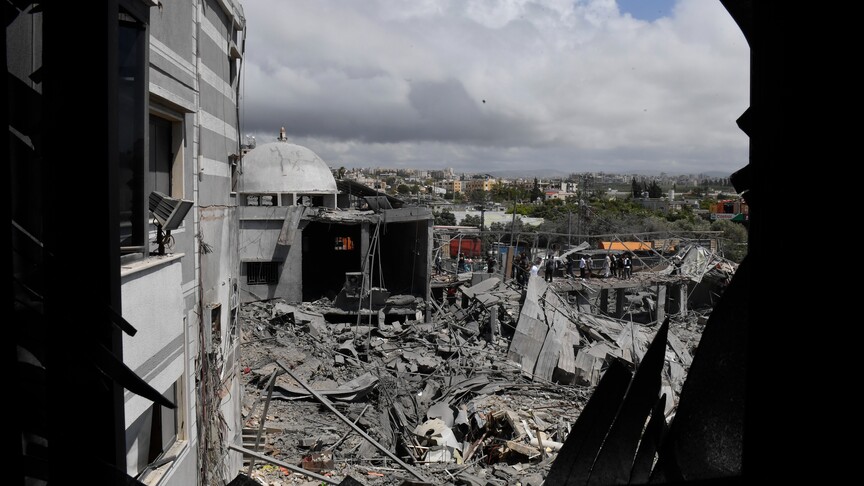
Israeli airstrikes cause damage and casualties in southern Lebanon amid intensifying bombardment. — Source: anadolu
Specific locations targeted
Israeli strikes hit towns in southern Lebanon including Dibbin and Shebaa. [4] The same wave of attacks struck Deir Aames, where the two fatalities occurred. Additional monitoring noted a drone flying over Beirut’s southern suburbs during the same period. Lebanese National News Agency dispatches listed these sites explicitly, highlighting the geographic spread from the border towns inward. The drone sighting added a layer of aerial surveillance that extended the operational reach beyond the immediate strike zones. Reports emphasized that the targeted communities lie within the southern districts most exposed to cross-border activity, with the sequence of hits occurring in quick succession on Wednesday.
Timing with Eid al-Adha
The Israeli army launched the air and artillery attacks on the first day of the Muslim holiday Eid al-Adha. [2] Lebanese state media explicitly tied the timing of the operations to the start of the festival, noting that families in the affected areas were preparing for celebrations when the strikes began. This coincidence amplified local reactions, as documented in contemporaneous accounts from the region. The choice of the holiday period for intensified activity marked a departure from prior patterns and contributed to the reported sense of disruption among residents. [2]
Reports of drone activity
A drone was reported flying over Beirut’s southern suburbs in connection with the wider operations. [4] The sighting occurred alongside the airstrikes on southern towns and was logged by Lebanon’s National News Agency as part of the same sequence of events. Such aerial presence extended the scope of monitoring beyond the primary strike locations, providing real-time observation of movements in the capital’s periphery. The report aligned with the overall intensification of activity described in multiple dispatches from the day.
{IMAGE_3}
Statements from Lebanese authorities
Lebanon’s health ministry described the events as a series of massacres on Tuesday, with follow-on assessments extending into Wednesday. [4] State media outlets conveyed the official tally of 18 deaths and stressed the concentration of strikes in the south. [3] These statements formed the primary channel through which casualty figures and location details reached wider audiences, underscoring the ministry’s role in compiling field data. The descriptions remained consistent across updates, focusing on verified deaths and injuries without speculation on future developments.
Broader regional reporting context
Additional coverage from regional outlets placed the Lebanon strikes within a wider set of Israeli actions that also affected Palestinian areas on the eve of Eid al-Adha. [1] While the core details centered on Lebanese towns, the simultaneous reporting highlighted the cross-border dimension of the day’s events. Lebanese state media continued to track artillery and air activity through the first day of the holiday, providing the factual backbone for the casualty and location summaries. [2]
What to watch next: Further verification of casualty figures and any additional drone sightings over southern suburbs remain the immediate points of focus based on ongoing agency reports.