
Israeli Strike on Gaza Rocket Site Kills Two Palestinians Amid Post-Ceasefire Violence
Gaza City, January 8, 2026 – An Israeli airstrike targeting a rocket launch site in Gaza City killed two Palestinians on Wednesday evening, escalating tensions in the region just weeks after a fragile ceasefire took effect. The incident, which occurred at approximately 7:39 p.m. UTC on January 7, marks a significant breach in the lull, with cumulative reports indicating 424 Palestinians killed and 1,189 injured in Israeli operations since the truce began.
According to reports, the strike was a direct response to a failed rocket launch from Gaza toward Israeli territory. Channel News Asia detailed that Israeli forces conducted the precision operation on the launch site shortly after detecting the attempted fire, which caused no casualties or damage in Israel. The high-severity event underscores the volatility of the post-ceasefire period, where sporadic rocket attempts and retaliatory measures have persisted despite international calls for restraint.
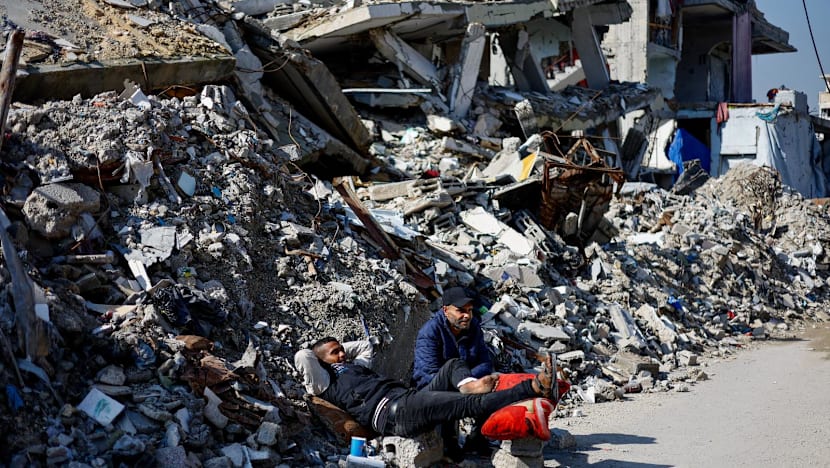
Eyewitness accounts from Gaza City described the strike hitting a residential area near suspected militant infrastructure, leading to the immediate deaths of two individuals. Rescue teams worked through the night to search for additional victims amid rubble, though no further fatalities were confirmed in initial updates. The Israeli Defense Forces (IDF) stated the target was an active rocket launch point operated by Palestinian militant groups, emphasizing that such sites are often embedded in civilian zones, complicating operations.
This latest clash fits into a pattern of intermittent violence since the ceasefire, which was brokered in late 2025 following months of intense fighting between Israel and Hamas-led factions in Gaza. The truce, mediated by Egypt, Qatar, and the United States, aimed to halt the 15-month war that began with Hamas's October 7, 2024, attack on southern Israel, killing 1,200 people and taking over 250 hostages. In response, Israel's military campaign in Gaza has resulted in over 45,000 Palestinian deaths according to Gaza health authorities, though independent verifications vary.
Since the ceasefire's activation, both sides have accused each other of violations. Palestinian officials report that Israeli strikes have intensified in targeted operations against militant infrastructure, contributing to the tally of 424 deaths and 1,189 injuries. Hamas and allied groups like Palestinian Islamic Jihad have claimed responsibility for several rocket barrages, often described as "symbolic" or retaliatory, though most have fallen short or been intercepted by Israel's Iron Dome system. Wednesday's failed launch was among these, intercepted before impact but prompting swift Israeli retaliation.
Background on the Ceasefire and Escalations
The January 2026 ceasefire represented a hard-won pause after prolonged hostilities that devastated Gaza's infrastructure, displacing nearly 90% of its 2.3 million residents and triggering a humanitarian crisis. Aid deliveries have increased under the truce, with over 500 trucks entering Gaza daily via Rafah and Kerem Shalom crossings, per UN data. However, underlying issues—such as Hamas's refusal to disarm, Israel's security demands, and stalled hostage negotiations—have fueled distrust.
Prior incidents since the ceasefire include a December 2025 rocket salvo from Gaza that wounded three Israelis, met with IDF artillery responses, and multiple low-level border clashes. International observers, including the United Nations, have warned that such tit-for-tat actions risk unraveling the agreement. UN Secretary-General António Guterres recently urged both parties to "exercise maximum restraint" to prevent a return to full-scale war.
Israel maintains that its actions are defensive, targeting only threats to its citizens. "We will not tolerate rocket fire from Gaza under any circumstances," an IDF spokesperson said in a statement following the strike. Palestinian health ministry officials, controlled by Hamas, condemned the attack as "unprovoked aggression," calling for an international investigation.
Regional and International Reactions
The strike drew swift condemnation from Arab nations and rights groups. Qatar's foreign ministry labeled it a "dangerous escalation," while Human Rights Watch called for accountability on both sides for embedding military assets in civilian areas. In Israel, Prime Minister Benjamin Netanyahu's office reiterated commitment to the ceasefire but stressed the need to neutralize ongoing threats from Gaza.
As of Thursday morning, no further rocket fire or strikes were reported, but Gaza's civil defense teams remain on high alert. The incident highlights the precarious balance in the Israel-Palestine conflict, where technical violations can spiral into broader confrontations.
Looking ahead, mediators are scheduling emergency talks in Cairo to reinforce the ceasefire terms, including phased hostage releases and troop withdrawals. With U.S. President-elect Donald Trump's inauguration looming in late January, diplomatic pressure may intensify to stabilize the front ahead of potential shifts in American policy. For Gaza's residents, enduring cycles of violence continue to exact a heavy toll, as reconstruction efforts falter amid renewed fears.
(Word count: 612)






