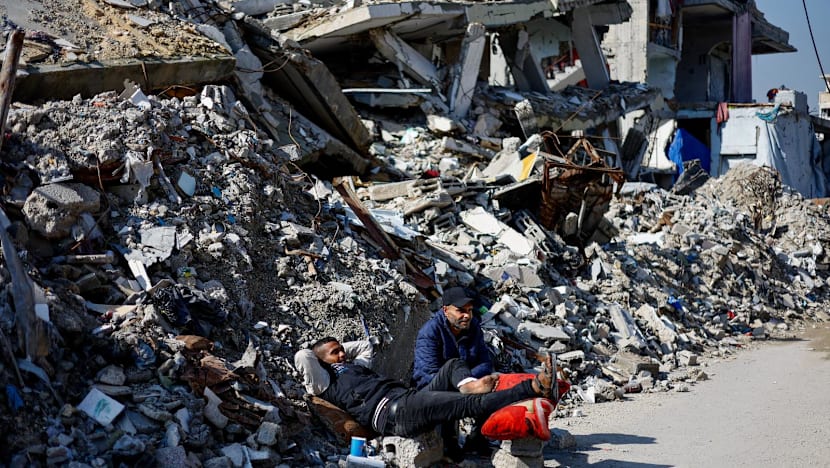

Israeli Strike in Gaza City Kills Two Palestinians Following Failed Rocket Launch Attempt
Gaza City, Palestine — An Israeli airstrike in Gaza City on Wednesday killed two Palestinians, escalating tensions in the region just days after a fragile ceasefire. The strike targeted a rocket launch site, coming in response to a failed rocket fire attempt from Gaza, according to reports. This incident marks a significant violation of the ceasefire agreement, with Palestinian health authorities reporting a total of 424 Palestinians killed and 1,189 injured in Israeli attacks since the truce took effect.
The strike occurred at approximately 7:39 p.m. UTC on January 7, 2026, in a densely populated area of Gaza City. Local medics confirmed the deaths of two individuals at the scene, though specific identities have not been released. The Israeli military stated that the operation was a "precise strike" on a site used by militants to launch rockets toward Israel, following an earlier interception of a malfunctioning projectile that fell short within Gaza territory.
Channel News Asia reported that the Israeli Defense Forces (IDF) acted swiftly after detecting the attempted rocket launch, which failed to reach Israeli airspace. "IDF fighter jets struck the launch site in Gaza from which the rockets were fired," an IDF spokesperson said in a statement. No immediate claims of responsibility for the rocket attempt were made by Palestinian militant groups such as Hamas or Islamic Jihad, both of which have historically operated from Gaza.
Palestinian officials condemned the strike as unprovoked aggression. "This is a clear breach of the ceasefire, targeting civilians in Gaza City," said a spokesperson for the Hamas-run Gaza Health Ministry. Rescue teams reported challenges in accessing the site due to ongoing rubble and potential secondary explosions from munitions at the launch point.
Broader Context of Post-Ceasefire Violence
The incident unfolds against the backdrop of a ceasefire agreement brokered in late 2025, aimed at halting hostilities following a prolonged escalation in the Israel-Gaza conflict that began with the October 7, 2023, Hamas attacks on Israel. That assault killed around 1,200 Israelis and led to over 45,000 Palestinian deaths in subsequent Israeli operations, according to Gaza health authorities and United Nations figures.
The 2025 ceasefire, mediated by Egypt, Qatar, and the United States, included provisions for phased Israeli troop withdrawals from Gaza, increased humanitarian aid flows, and negotiations toward a long-term resolution. However, sporadic incidents have undermined the truce. Since its implementation, Israeli strikes have reportedly caused 424 Palestinian fatalities and injured 1,189 others, per Gaza's Health Ministry data. These figures highlight the fragility of the agreement, with mutual accusations of violations: Israel cites rocket fire and militant activity, while Palestinians point to airstrikes and border incursions.
International observers, including the United Nations, have expressed alarm. UN Secretary-General António Guterres called for an immediate investigation into Wednesday's strike, urging both sides to recommit to the ceasefire. "Violence in Gaza risks unraveling hard-won progress toward stability," Guterres said in a statement released Thursday.
Historical Patterns and Regional Implications
Israel-Gaza dynamics have long followed a cycle of rocket fire from Gaza, followed by Israeli retaliatory strikes. Gaza-based groups like Hamas, designated as terrorist organizations by Israel, the U.S., and the EU, frequently launch rockets in response to perceived provocations such as settlement expansions in the West Bank or restrictions on Gaza's borders. Israel's Iron Dome system has intercepted the vast majority of such projectiles, minimizing casualties on its side.
The latest event echoes previous flare-ups, including the 2021 conflict that killed over 250 Palestinians and 13 Israelis. Gaza remains under a blockade imposed by Israel and Egypt since 2007, when Hamas took control of the territory, exacerbating humanitarian conditions. The World Food Programme reports that over 80% of Gaza's 2.3 million residents rely on aid, with unemployment hovering above 45%.
Regionally, the strike has drawn reactions. Hezbollah in Lebanon, which has exchanged fire with Israel along the northern border, issued a statement of solidarity with Gaza militants. Iran, a backer of both Hamas and Hezbollah, condemned the action as "Zionist aggression." Meanwhile, the U.S. State Department reiterated support for Israel's right to self-defense while calling for restraint to preserve the ceasefire.
Outlook Amid Heightened Tensions
As of Thursday morning, January 8, 2026, no further strikes or rocket fire have been reported, but Gaza City residents remain on edge. Egyptian mediators have scheduled emergency talks in Cairo to address the incident and prevent escalation.
The death toll since the ceasefire underscores the challenges in achieving lasting peace. With reconstruction efforts in Gaza stalled and political divisions within Palestinian leadership persisting—between Hamas in Gaza and the Fatah-led Palestinian Authority in the West Bank—the path forward remains uncertain. International pressure for renewed diplomacy, including hostage releases and governance reforms in Gaza, will be critical to averting a broader conflict.
Analysts warn that continued tit-for-tat violence could draw in regional actors, potentially destabilizing the fragile calm along Israel's multiple fronts. For now, both sides appear committed to de-escalation rhetoric, but the streets of Gaza City serve as a stark reminder of the human cost of unresolved grievances.
(Word count: 712)






