
Israeli Airstrikes Kill at Least 13 Palestinians in Gaza, Including Five Children, Amid Fragile Ceasefire
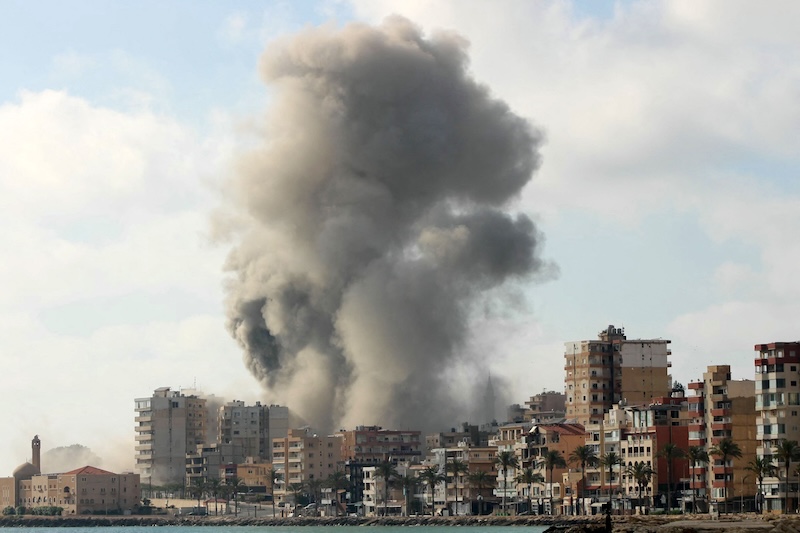
Gaza City and other areas of the Gaza Strip were struck by Israeli forces on Thursday, January 8, 2026, resulting in at least 13 deaths, including five children, according to Gaza's Hamas-run civil defence agency. Palestinian health officials reported a slightly higher toll of 15 fatalities from the attacks, which targeted tents for displaced people, homes, and a school despite a ceasefire agreement that had largely paused major fighting.
The strikes mark a significant escalation in violence following an Israeli airstrike in Gaza City on Wednesday, January 7, which killed two Palestinians. Reports indicate that since the ceasefire took effect, Israeli attacks have resulted in 424 Palestinian deaths and 1,189 injuries across Gaza.
Details from Gaza's civil defence agency highlight a drone strike on a tent sheltering displaced families in southern Gaza, which alone killed four people. Additional strikes across the Strip targeted residential areas and a school, contributing to the overall death toll. Palestinian health officials corroborated these accounts, noting that the attacks hit tents housing displaced individuals, private homes, and educational facilities.
These incidents occurred against the backdrop of a ceasefire intended to halt the protracted Israel-Hamas conflict, which has ravaged Gaza since October 2023. The agreement, brokered in late 2025, aimed to facilitate humanitarian aid delivery, hostage releases, and a pause in hostilities. However, sporadic Israeli operations have continued, often justified by the Israeli military as targeting Hamas militants or infrastructure.
Background on the Ceasefire and Ongoing Tensions
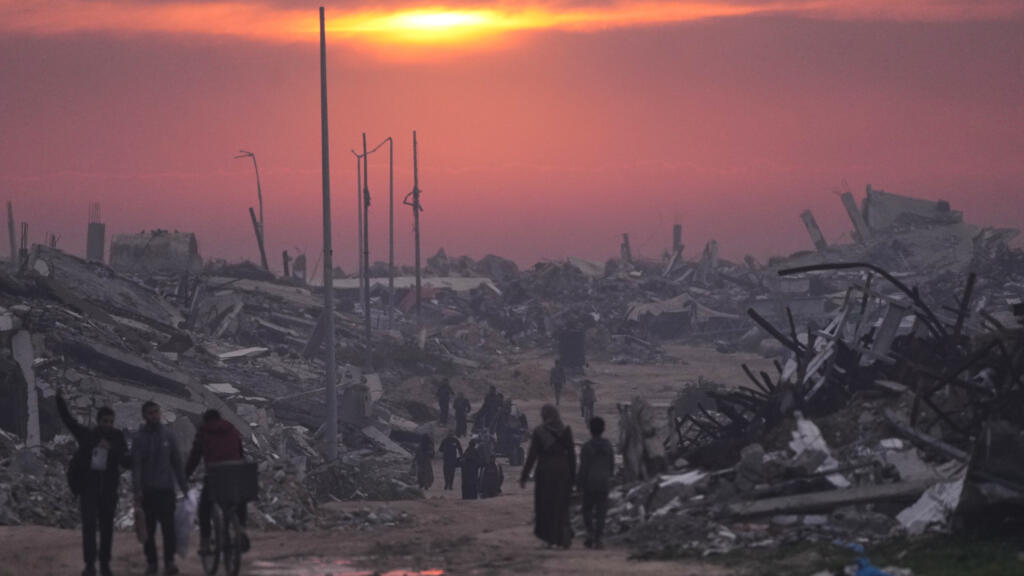
The ceasefire emerged after more than two years of intense fighting, during which tens of thousands of Palestinians were killed and vast swaths of Gaza were devastated. According to Gaza health authorities, over 45,000 Palestinians had died in the war prior to the truce. On the Israeli side, the October 7, 2023, Hamas attacks killed around 1,200 people and led to the abduction of over 250 hostages, many of whom have been released or rescued in subsequent exchanges.
Since the ceasefire's implementation, aid convoys have increased, and reconstruction efforts have begun in limited areas. Yet, violations from both sides have strained the agreement. Israeli officials have stated that strikes are preemptive measures against Hamas regrouping, while Palestinian authorities and aid groups accuse Israel of undermining the truce through continued military actions that exacerbate Gaza's humanitarian crisis. Over 90% of Gaza's 2.3 million residents remain displaced, living in tents and makeshift shelters vulnerable to aerial attacks.
The civil defence agency's reports underscore the vulnerability of civilians, particularly children, who make up nearly half of Gaza's population. The inclusion of five children among the Thursday fatalities has drawn international attention, with humanitarian organizations previously warning of the risks to tent encampments in open areas.
Details of Thursday's Strikes
France 24 reported that the civil defence agency confirmed at least 13 deaths from multiple strikes on Thursday, with the drone attack on a southern tent being among the deadliest. Anadolu Agency cited Palestinian health officials placing the toll at 15, emphasizing strikes on displacement tents, homes, and a school. The Guardian echoed the civil defence figure of 13, including five children, without additional specifics on locations.
No immediate comment from the Israeli military was detailed in the reports, though past statements have described such operations as precise and aimed at militants. Gaza rescue teams faced challenges accessing strike sites due to rubble and ongoing security concerns.
Humanitarian and Diplomatic Implications
The renewed strikes come as winter weather compounds Gaza's plight, with displaced families facing cold, rain, and limited access to food and medical care. The World Health Organization has reported critical shortages, with hospitals overwhelmed even before these latest incidents.
Internationally, the United Nations has repeatedly called for adherence to the ceasefire, urging investigations into civilian casualties. Diplomatic efforts continue in Doha and Cairo to enforce the truce terms, including phased Israeli withdrawals and Hamas disarmament commitments.
As of Friday, January 9, 2026, no further strikes were reported, but the fragility of the ceasefire raises concerns about broader escalation. Gaza authorities have appealed for international protection, while monitoring groups track compliance on both sides. The death toll since the ceasefire now stands at least at 426, highlighting the challenges in achieving lasting peace amid deep-seated grievances.
(Word count: 612)