Israeli Airstrikes Disrupt Lebanon's Trade Networks Amid Escalating Tensions
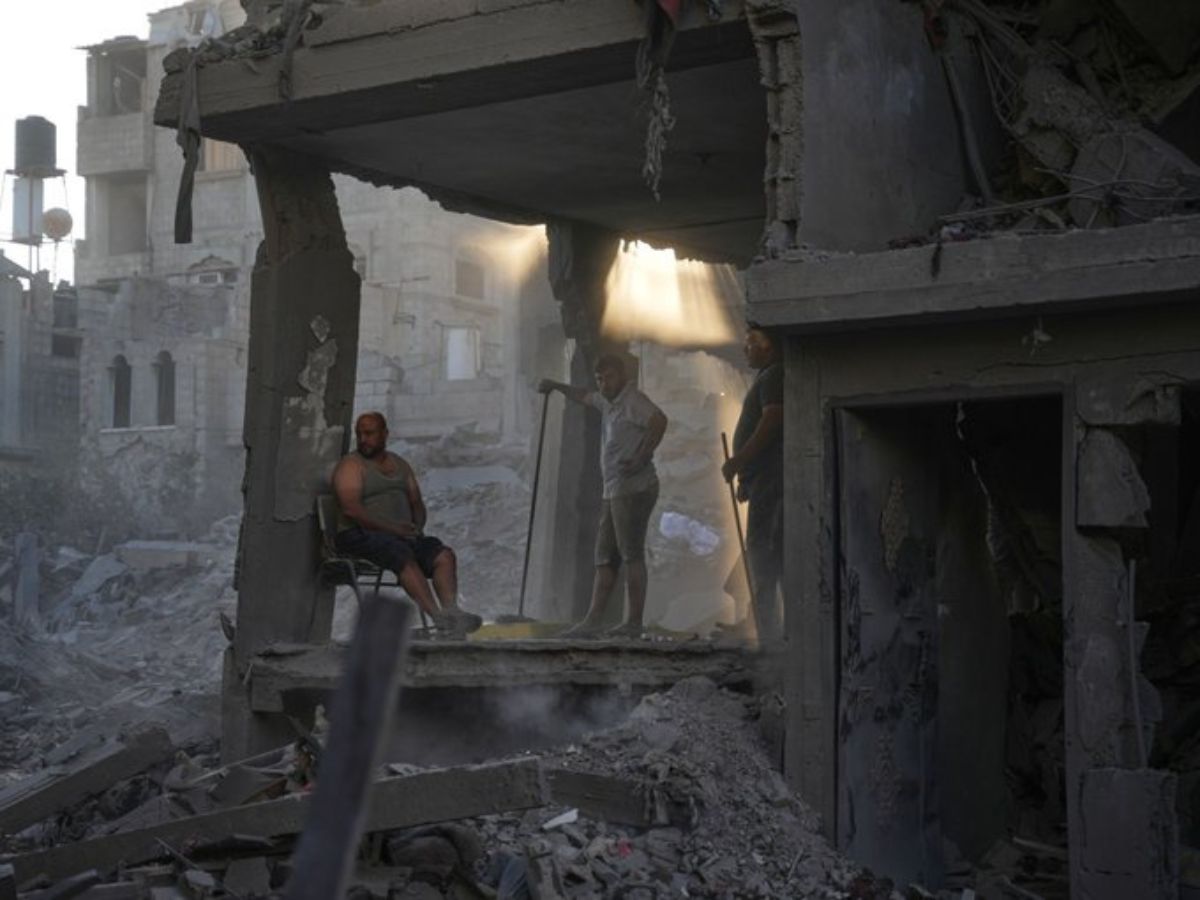
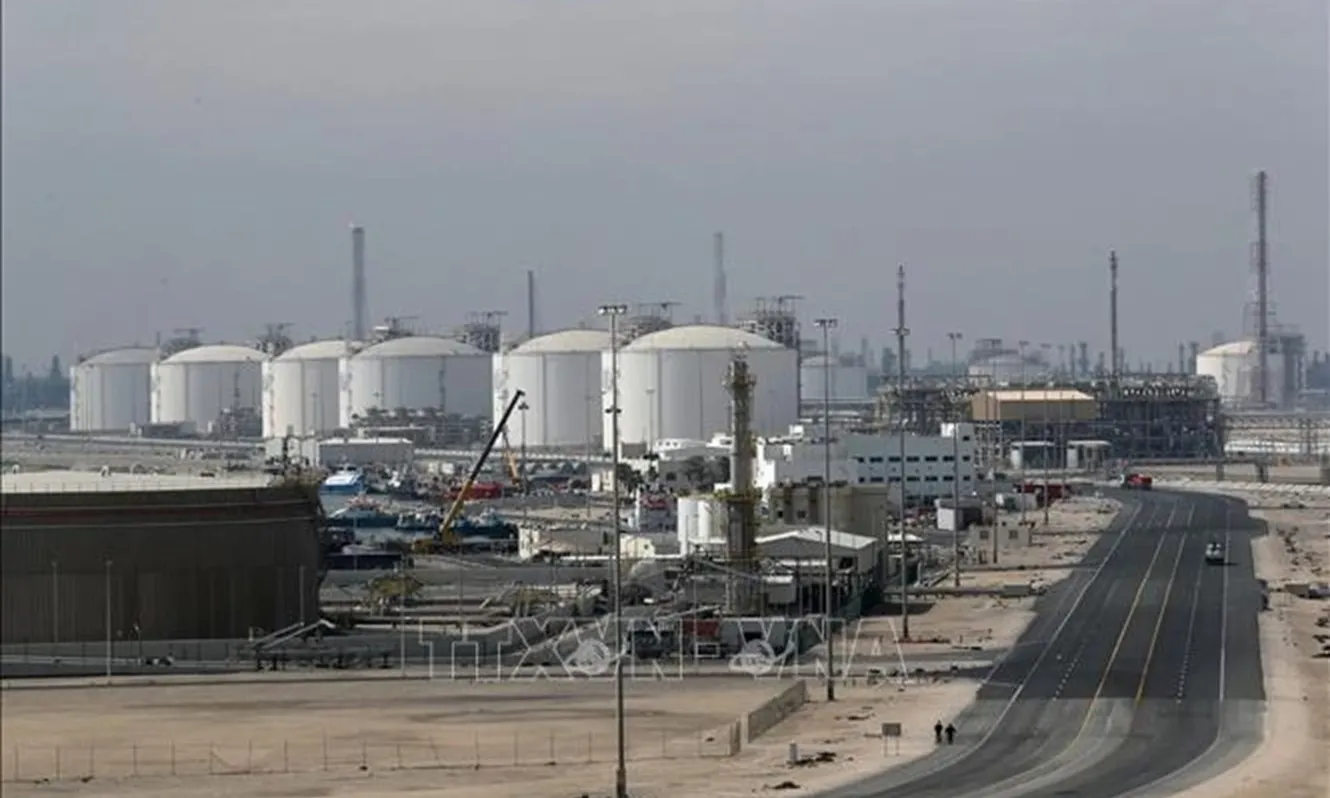
Israeli airstrikes on March 10, 2026, have intensified in Beirut's southern suburbs and southern Lebanon, resulting in at least 570 deaths and displacing nearly 760,000 people, as reported by the Lebanese government. These attacks have targeted critical infrastructure, including roads to the Syrian border and ports in Beirut and Tripoli, severely halting trade operations and exacerbating shortages of essential goods.
Immediate Impacts and Human Toll
The strikes have caused widespread chaos, with key trade hubs like the Bekaa Valley border crossings jammed and truck convoys stranded. Eyewitnesses report rotting produce and blocked imports, while footage shows damaged warehouses in Nabatieh, threatening Lebanon's agricultural exports that contribute 20% to the GDP. Port operations in Beirut have slowed by 40%, amplifying fuel and consumer goods shortages, according to local chamber reports.
Historical Context and Escalation
This escalation builds on a pattern starting December 31, 2025, with initial disruptions to supply lines, followed by key events like the January 7, 2026, killing of a Hezbollah member and subsequent attacks that severed routes to Syria. These incidents echo past conflicts in 2006 and 2024, which reduced exports by 30%, highlighting Lebanon's ongoing economic isolation.
Looking Ahead: Implications and Risks
The disruptions expose Lebanon's reliance on trade routes handling $5 billion annually, potentially leading to a regional recession and higher global commodity prices. Without intervention, such as EU aid or ceasefires, humanitarian crises could worsen, affecting 1.5 million displaced individuals and drawing in broader actors like Iran or the U.S.