Israel Grapples with UN Apartheid Accusation in West Bank Amid Gaza Import Policy Shift

Latest from X
Israel Grapples with UN Apartheid Accusation in West Bank Amid Gaza Import Policy Shift
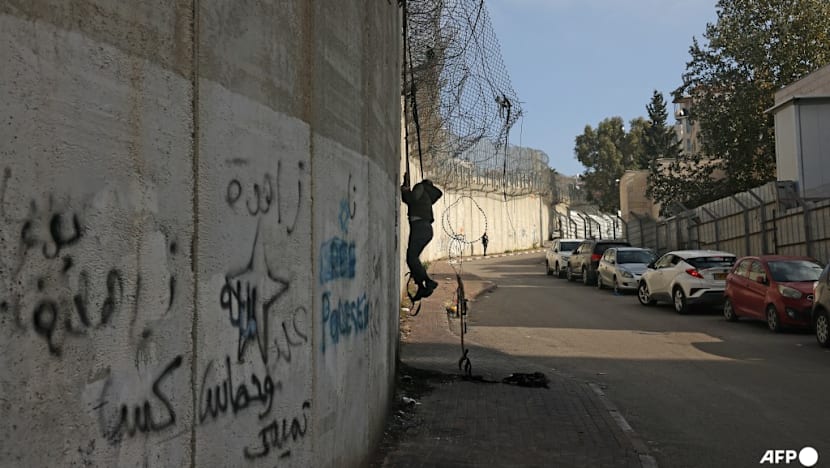
Jerusalem/Gaza (The World Now) — In a stark escalation of international scrutiny, the United Nations on January 7, 2026, accused Israel of enforcing an apartheid-like system of "severe segregation and discrimination" in the occupied West Bank, calling for an end to its "unlawful presence" in Palestinian territories. This damning report coincides with Israel's recent policy adjustment allowing Gaza merchants to import "dual-use" items previously barred from humanitarian aid organizations, signaling a nuanced shift in blockade enforcement amid ongoing regional tensions.
The UN Human Rights Office released the report on Wednesday, detailing decades of policies that it equates to apartheid. According to the document, Israel has imposed "severe racial discrimination and segregation" on Palestinians in the West Bank, including through settlement expansion, differential legal systems, and restrictions on movement. The report urges Israel to dismantle these structures and withdraw from the occupied Palestinian territory, framing the situation as a violation of international law.
"This is not a new phenomenon but a long-standing reality," the UN statement emphasized, highlighting how Israeli settlers enjoy full civil rights while millions of Palestinians live under military rule without voting rights or equal access to resources. The Channel News Asia report notes rising concerns over human rights violations, while France 24 quotes UN officials describing the regime as one of "unlawful presence" that entrenches inequality.
Israel's response has been swift and defiant. Government spokespeople dismissed the report as biased and antisemitic, arguing it ignores security threats posed by Palestinian militant groups. This aligns with longstanding Israeli positions that security measures in the West Bank—occupied since the 1967 Six-Day War—are essential to prevent attacks, including those by Hamas and other factions.
Gaza Policy Easing on Dual-Use Goods
Just days earlier, on January 2, 2026, Israel implemented a significant policy change regarding Gaza, permitting local merchants to import "dual-use" items—materials with potential civilian and military applications, such as certain chemicals, electronics, and construction components—that had been prohibited for aid convoys. This marks a departure from stricter controls imposed during heightened conflict periods, where fears of diversion to militant groups like Hamas led to rigorous inspections and rejections.
Previously, under Israel's blockade of Gaza—initiated in 2007 after Hamas seized control—aid trucks faced scrutiny, with only a small percentage returned for containing dual-use items, according to historical data from the Coordinator of Government Activities in the Territories (COGAT). The new mechanism allows private trade channels, potentially boosting Gaza's economy while maintaining oversight to prevent misuse. Reports indicate this could alleviate some humanitarian pressures in the enclave, home to over 2 million Palestinians facing chronic shortages amid a fragile ceasefire following the 2023-2025 Gaza war.
Posts on X (formerly Twitter) reflect divided sentiments: some users hailed it as a humanitarian step forward, while others criticized it as a ploy to channel imports through Israeli suppliers, tightening economic control and sidelining West Bank traders.
Historical Context and Broader Geopolitics
These developments unfold against a backdrop of protracted Israeli-Palestinian conflict. The West Bank, captured in 1967, hosts around 700,000 Israeli settlers in over 150 communities deemed illegal by the UN and most international bodies. Successive Israeli governments have expanded settlements, citing biblical and security claims, while Palestinians view them as obstacles to statehood.
In Gaza, the blockade—supported by Egypt—aims to weaken Hamas, designated a terrorist group by Israel, the US, and EU. The October 7, 2023, Hamas attacks that killed 1,200 Israelis and led to a war with over 45,000 Palestinian deaths (per Gaza health authorities) intensified restrictions. Recent ceasefires have enabled limited aid flows, with over 18,000 trucks entering Gaza since late 2023, though UN agencies report persistent shortfalls.
The UN report revives "apartheid" accusations, previously leveled by Amnesty International and Human Rights Watch in 2021-2022 reports, which Israel rejected as libelous. Critics argue the label oversimplifies a complex security environment, while proponents say it captures systemic disparities.
Outlook Amid Rising Tensions
The dual-use policy shift could signal Israel's intent to normalize trade as a stabilization tool, potentially paving the way for broader economic engagement. However, the UN's apartheid charges risk further isolating Israel diplomatically, especially as allies like the US navigate domestic pressures under a new administration.
Palestinian Authority President Mahmoud Abbas condemned the report's context but called for accountability, while Hamas praised the UN stance without addressing Gaza specifics. Israeli Prime Minister Benjamin Netanyahu's coalition, reliant on hardliners, faces no immediate domestic backlash but could see intensified BDS campaigns globally.
As the international community digests these events, the coming weeks may test fragile de-escalation efforts. Diplomatic channels, including Quartet talks, remain dormant, leaving the region at a geopolitical crossroads.
(Word count: 712)
Track this story live
Live World Map
Monitor global events in real time with a live activity map and hotspot summaries.
Markets
Connect live events to Catalyst market signals across crypto, commodities, indices, and forex.
Geopolitical Risk
Live geopolitical risk index tracking conflict zones, sanctions, and global threat levels.
Original Sources
- •UN accuses Israel of West Bank 'apartheid'— channelnewsasia
- •
Editorial process: This article was synthesized from the original sources cited above using The World Now's AI editorial system, with byline accountability from our editorial team. We grade every story for source grounding, factual coherence, and on-topic match before publication. Read more about our editorial standards and contributors. Spot something inaccurate? Let us know.
Last updated: January 21, 2026






