
Israel Calls New York Times Report on Iranian Negotiator Assassinations Fake News
Israel rejected a New York Times report that it planned to assassinate senior Iranian negotiators, calling the claims fake news, as diplomatic efforts continue following a ceasefire with Iran and the death of Supreme Leader Ayatollah Ali Khamenei.
Israel Rejects Assassination Report
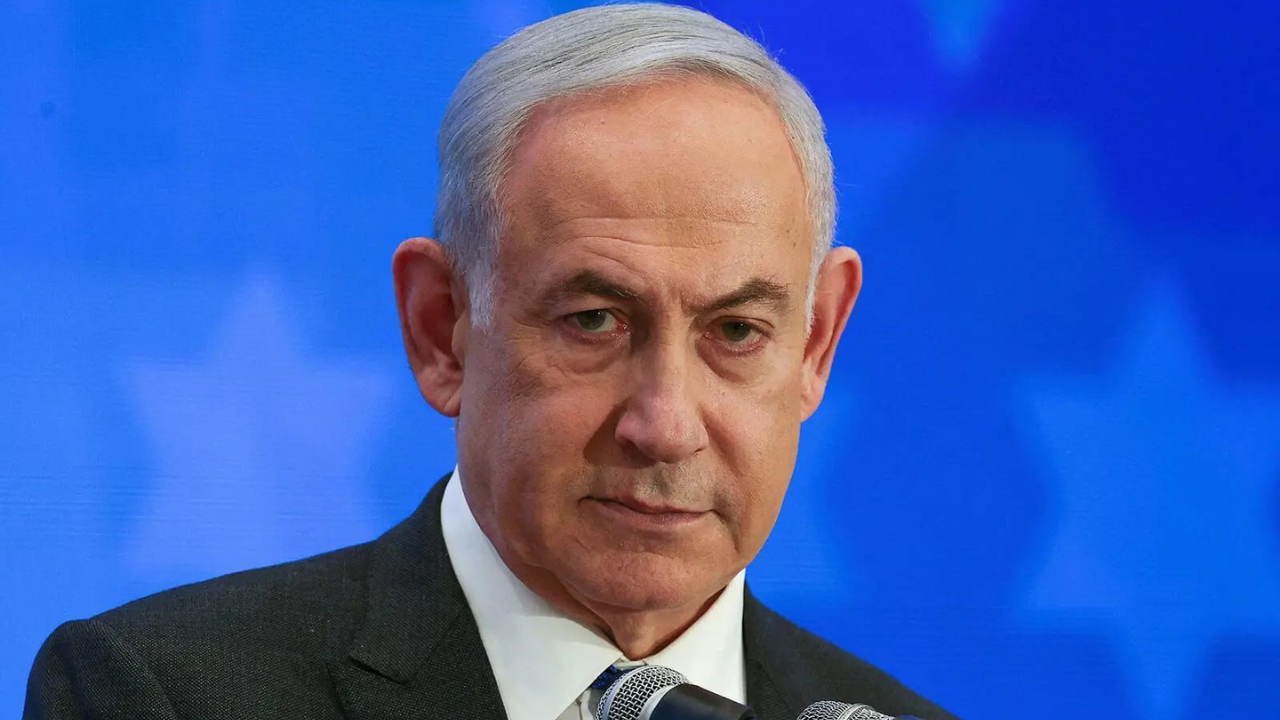
Israel on Friday rejected reports that it had planned to assassinate senior Iranian negotiators during diplomatic efforts to end the conflict with Iran, calling the claims "fake news" and a "complete fabrication of reality." [1] In a post on X, the office of Israeli Prime Minister Benjamin Netanyahu dismissed a report published by The New York Times, saying, "As usual, The New York Times' latest story about Israel and the Iranian negotiators is fake news. A complete fabrication of reality." [1] The US newspaper had reported that American officials privately feared Israel could target Iranian foreign minister Abbas Araghchi and Parliament speaker Mohammad Bagher Ghalibaf during negotiations held earlier this year. [1] The report alleged that US officials conveyed indirect warnings to the two Iranian leaders through regional intermediaries, fearing any assassination attempt would derail diplomacy. [1]
US Diplomatic Warnings and Concerns
US officials had privately feared such assassinations would derail diplomacy, kill pragmatists, and collapse negotiations aimed at ending the conflict and reopening the Strait of Hormuz. [1] A US official quoted anonymously by The Washington Post said, "You kill those folks and you're killing the pragmatists." [1] Washington urged Israel in March not to target Iran's political leadership while negotiations were underway. [1] A White House official quoted by The Washington Post said, "The president wants the peace process to play out." [1] US officials believed such an attack could have collapsed negotiations and reignited fighting between the two sides. [1] Iranian officials including Ghalibaf and Acting Defence Minister Seyyed Majid Ibn Reza later warned the US and Israel to fully implement the ceasefire agreements or face proportionate responses, expressing no trust in Washington due to its history of failing commitments. [3]
Netanyahu and Trump Agree to Meet
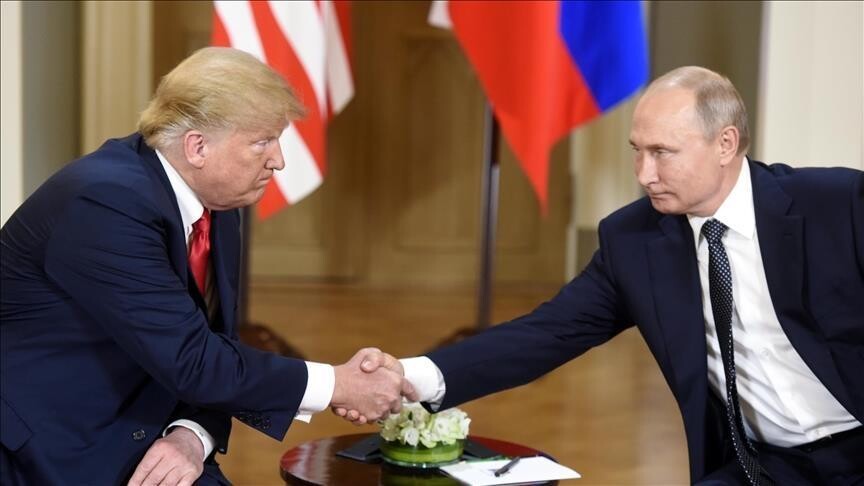
Netanyahu and US President Donald Trump agreed during a Friday phone call to meet soon in the United States, with Netanyahu congratulating Trump on the US 250th anniversary and emphasizing the close bond between the nations. [1] The statement said Netanyahu congratulated Trump on the 250th anniversary of the founding of the United States, adding, "The US is what ensures the freedom of the world, and Israel greatly appreciates the tight bond between the nations." [1] The Prime Minister's Office said both leaders agreed to meet soon in the US, although no date or venue was announced. [1] Separately, Israeli PM Benjamin Netanyahu and US President Donald Trump spoke and agreed to meet “soon” in the United States. [3] “The prime minister said in their conversation that the US is a guarantor of global freedom, and Israel greatly appreciates the close ties between nations,” a statement from Netanyahu’s office said. [3]
Progress in Doha Negotiations
Qatar and Pakistan held separate meetings with US and Iranian negotiators in Doha on July 1, reporting positive progress on a 14-point Memorandum of Understanding, with further discussions expected after Khamenei's funeral ceremonies. [1] Qatar's foreign ministry spokesperson said the parties agreed to continue discussions, with the next round expected after funeral ceremonies for Iran's former Supreme Leader. [1] Meanwhile, Qatar and Pakistan concluded separate meetings with US and Iranian negotiators in Doha on July 1, with officials reporting "positive progress" on issues related to a 14-point Memorandum of Understanding. [1]
Iranian Warnings on Ceasefire Compliance
Iranian officials including Ghalibaf and Acting Defence Minister Seyyed Majid Ibn Reza warned the US and Israel to fully implement the ceasefire agreements or face proportionate responses, expressing no trust in Washington due to its history of failing commitments. [3] Parliamentary Speaker Mohammad Bagher Ghalibaf warned on Friday that if the US and Israel do not fulfil their commitments to end the war, then Tehran will respond. [3] “We strongly demand full implementation of the agreements, and if the US and the Zionist regime fail to fulfil their commitments, Iran will resume proportionate actions,” Al Jazeera quoted him as saying. [3] Ghalibaf, who also heads the country’s negotiating team in talks with the United States, added that Washington cannot militarily confront Iran and said Israel’s threats are “baseless propaganda”. [3] Acting Defence Minister Seyyed Majid Ibn Reza expressed a complete lack of trust in the ‘other party’, saying that Tehran signed the memorandum of understanding with the US to help restore regional stability, at the request of its friendly neighbouring countries. [3] “However, given the United States’ long history of failing to honour its commitments, Iran has no trust in the other party,” he said, adding that the country’s forces “remain on full alert and will respond proportionately to any violation of the agreement”. [3] Foreign Minister Abbas Araghchi questioned the role of the US Central Command (Centcom) in regional security, arguing that it has actually brought insecurity to the region. [3] “Our powerful armed forces have proven that outsiders cannot even protect themselves. Peace in our region can only be sustained when comprehensive and inclusive, with no outside interference,” he said in a post on X. [3]
Hormuz Transit and Oil Talks
France and the UK agreed to work with Oman to restore safe transit through the Strait of Hormuz, with France deploying minehunters; Iran began talks with Japanese firms on oil sales under a temporary US sanctions waiver that expires August 21. [2] French President Emmanuel Macron and UK Prime Minister Keir Starmer said the joint effort will ensure that Oman’s “sovereign territorial waters are safe for navigation.” [2] France has deployed minehunters in Hormuz. [2] Iran begins talks with Japanese firms on oil sales under temporary US sanctions waiver. [2] A senior Iranian official said any deal would require the US to extend the current waiver given the shipping time between Japan and Iran. [2] Reuters reported that Iran has begun talks with Japanese companies under a US sanctions waiver allowing it to resume oil sales, though prospective buyers are seeking a longer waiver and reassurances about ship safety. [3] The waiver, part of 60-day peace talks between Tehran and Washington, was issued on June 22 and expires August 21. [3] Three Japanese buyers were looking at possible crude oil purchases from Iran, their first since 2019, said two Iranian sources, who declined to be identified due to the sensitivity of the issue. [3]
What to watch next: The next round of discussions on the 14-point Memorandum of Understanding is expected after funeral ceremonies for Iran's former Supreme Leader, while Netanyahu and Trump plan to meet soon in the United States.