
Iraq's Drone Warfare Surge: Unmanned Threats Expose Multinational Weaknesses
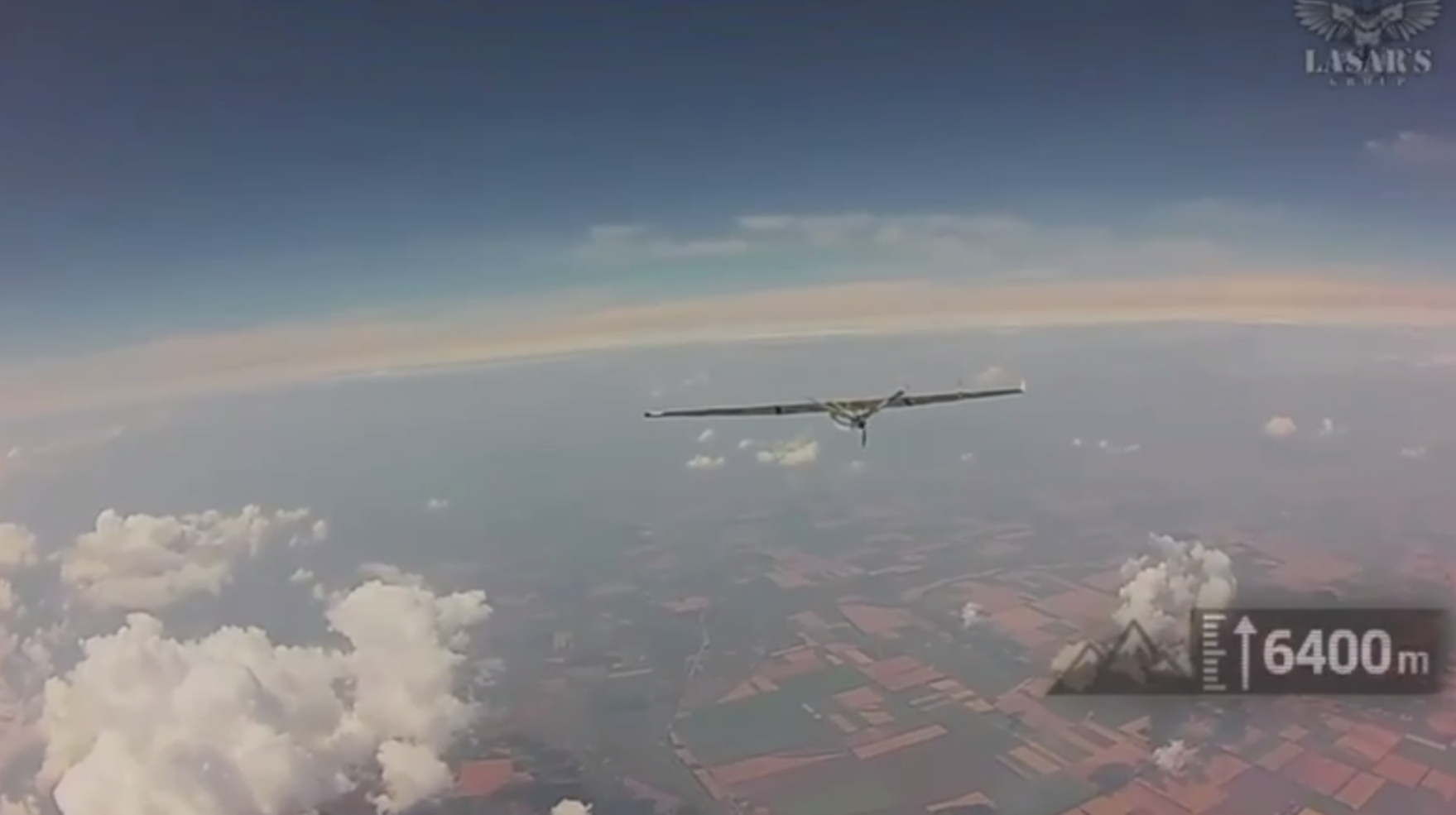
Baghdad, Iraq – Recent drone attacks across Iraq have highlighted critical gaps in multinational coalitions, with UK forces downing Iranian drones, French troops injured in Makhmour, and Iraqi defenses intercepting suicide drones in Nineveh. These incidents underscore escalating proxy conflicts involving Iran-backed militias, potentially fracturing alliances amid rising tensions.
Key Incidents
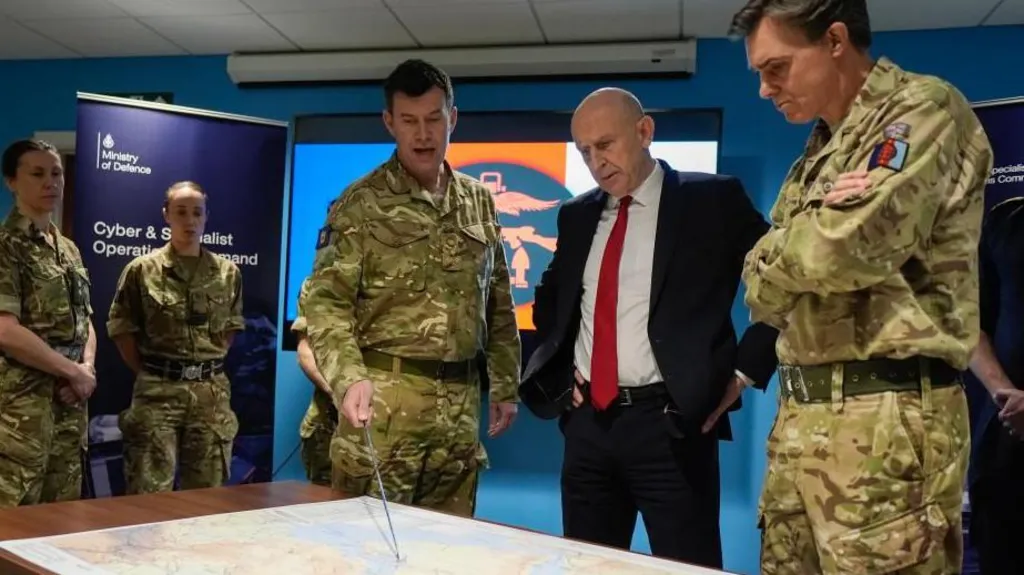
Iraqi bases have seen a wave of drone strikes this week. UK troops at an Iraqi base neutralized Iranian drones, as confirmed by UK Defense Secretary John Healey. In northern Iraq, a drone attack wounded six French soldiers at Makhmour base, according to Iraqi and French officials. Iraqi forces also intercepted four suicide drones targeting a military unit in Nineveh. Unverified reports include Iranian claims of downing a US refueling aircraft in western Iraq, with drones falling in the Majnoon oil field and attacks near Camp Saqr in Baghdad involving Iran-backed Popular Mobilization Forces (PMF).
Background and Context
This surge in drone activity follows US strikes on 70 ISIS targets in December 2025, triggering retaliatory cycles. Incidents like the February 2026 missile strike in Babil and a March drone attack on a US base in Erbil have evolved into sophisticated assaults. The shift from ISIS operations to Iran-PMF proxy attacks on Western and Iraqi forces has intensified multinational entanglements, revealing coordination challenges among US-led partners.
What This Means
The proliferation of low-cost drones enables asymmetric warfare, exposing coalition vulnerabilities. While UK intercepts demonstrate some successes, French casualties and Iraqi interceptions highlight poor intel-sharing. Iran's unverified claims could erode trust, as seen in former Iraqi PM Nouri al-Maliki's calls for national unity. This could fracture anti-ISIS coalitions and lead to broader escalations, forcing strategic overhauls.
Looking Ahead
Watch for potential Iranian-backed retaliation on coalition bases or US sites in Erbil. Diplomatic efforts, such as UN mediation or US-Iran backchannels, may emerge to de-escalate. Long-term, the spread of drone technology to non-state actors could increase volatility, prompting coalition drawdowns or enhanced defenses.
Social media reactions emphasize alliance strains, with users like @sentdefender noting command failures and analysts warning of a 'multinational mess.' This story is developing and will be updated.
(Word count: 612)




:quality(30):format(webp):focal(0.5x0.5:0.5x0.5)/aceh/foto/bank/originals/Foto-Ilustrasi-Kapal-komersial-di-Laut-Kaspia.jpg)