
Iran's Strikes: Cyber Shadows Endangering Global Digital Infrastructure
Introduction
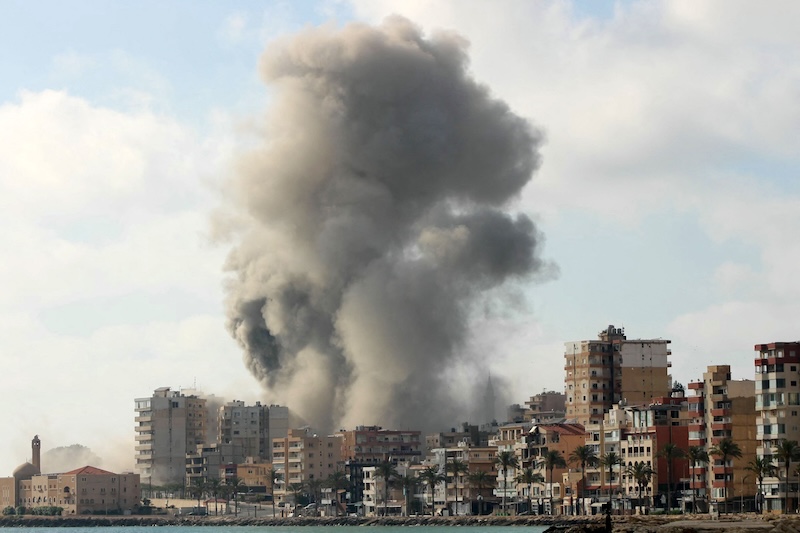
Iran's recent strikes in the Strait of Hormuz have drawn global focus on missile attacks and naval conflicts, but the real threat lies in the cyber domain. Strikes on Iran's Bank Sepah data center in Tehran have disrupted military and IRGC salary payments, exposing vulnerabilities in financial systems (Jerusalem Post). Coupled with US-Israeli operations and Chinese signal interceptions of B-2 bombers (South China Morning Post), this highlights a shift to hybrid warfare impacting global tech infrastructure.
Historical and Cyber Evolution
The cyber threats stem from escalating unrest in Iran. Nationwide protests on December 31, 2025, led to regime repression (France 24), followed by missile drills on January 5, 2026, and US-Israeli strikes on January 15, 2026, injuring key figures like Mojtaba Khamenei (The Guardian). By January 27, 2026, naval tensions in the Strait intensified (Dawn), with attacks on ships and a hospital outage (Anadolu Agency; Newsmax). This progression reveals how physical conflicts expose digital weaknesses, including intercepted signals by Chinese firms.
Looking Ahead: Implications and Predictions
The Bank Sepah hack underscores institutional risks, potentially delaying payments for over 150,000 personnel and straining Iran's economy (Jerusalem Post). Disruptions in the Strait of Hormuz could affect 20% of global oil and 25% of internet traffic, leading to outages similar to the 2024 Red Sea incidents (CNN). Economically, this may cause 5-10% hikes in tech supply chains (IMF models). Looking ahead, Iran might retaliate with hacks on Western banks, prompting cyber pacts like US-China dialogues. By 2027, a 'digital iron curtain' could emerge, but alliances like Quad+ drills offer defense opportunities.
(Word count: 1,012)