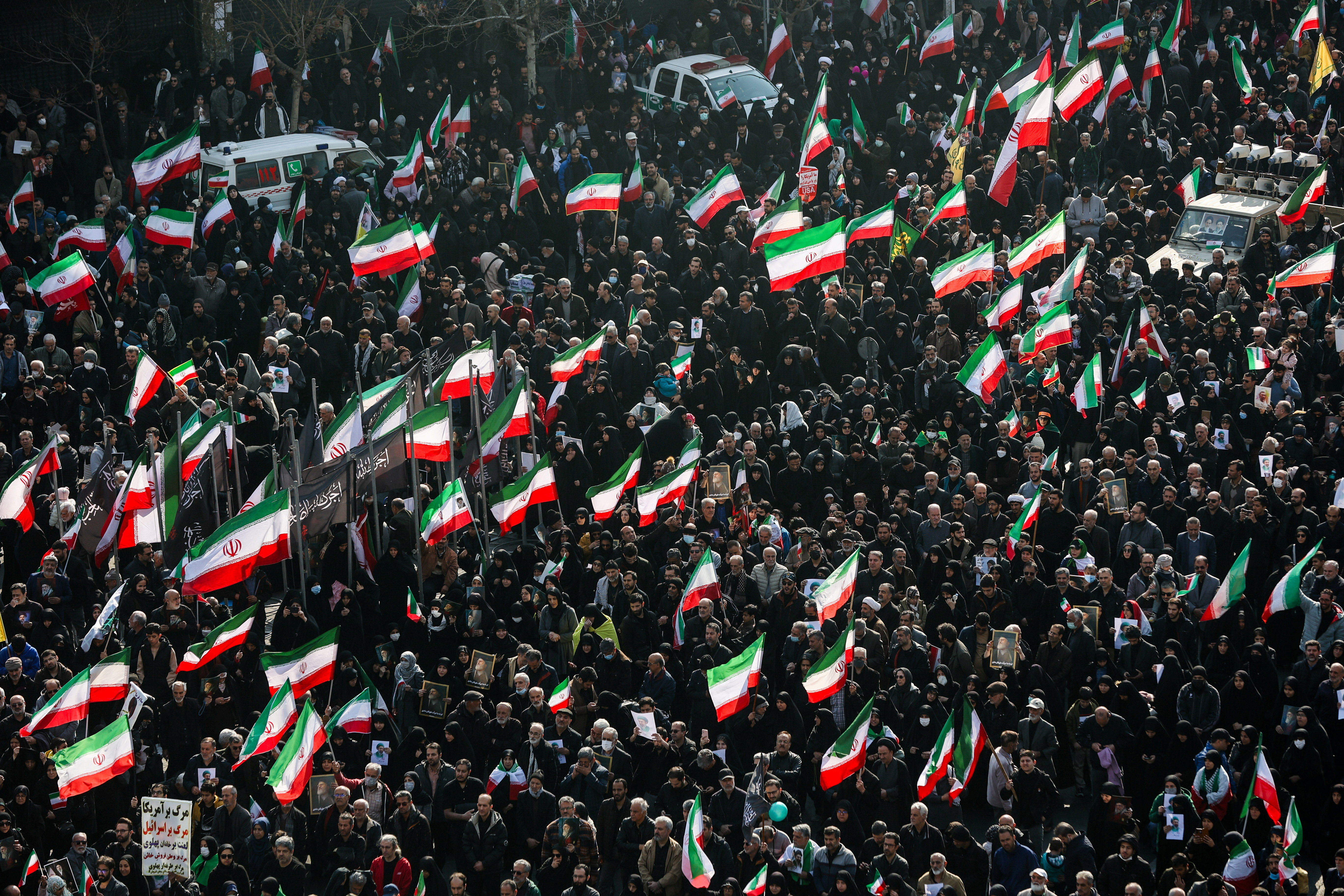

Iran's Protests: Women and Youth Lead Defiance Against Repression
By Elena Vasquez, Global Affairs Correspondent for The World Now
March 9, 2026 | 1,528 words
Introduction
In Iran, a powerful wave of protests has erupted, driven by women and youth defying the regime's escalating repression. Since January 2026, demonstrators have burned hijabs and organized via digital tools under hashtags like #MahsaAmini2.0, challenging Supreme Leader Mojtaba Khamenei's rise. This uprising, echoing the 2022 Mahsa Amini movement, highlights grassroots innovation and global implications, potentially reshaping Iran's future amid economic and social turmoil.
Current Situation and Historical Roots
Protests have spread across Tehran, Isfahan, and other cities since January 1, 2026, with women and youth using encrypted apps for swift mobilization. At least 16 lives have been lost in crackdowns, fueling outrage. Historically, this builds on Iran's legacy of resistance, from the 1979 Revolution to the 2009 Green Movement, where women and youth played pivotal roles. Unlike past uprisings, today's digital tactics, like geofenced Telegram channels, evade surveillance and amplify voices globally.
Driving Forces and Looking Ahead
Women and youth, comprising over 60% under 30, lead with symbolic acts and online campaigns, eroding regime legitimacy. This mobilization pressures global markets, as seen in rising oil prices. Looking ahead, sustained protests could trigger reforms or international sanctions, but risks include intensified repression. If youth-driven demands for gender justice gain traction, Iran might pivot toward a more inclusive future, though civil unrest remains a threat.
Elena Vasquez specializes in conflict analysis with a focus on human impacts.






