Iran's Protests: The Surge of Global Digital Solidarity and Its Impact

Latest from X
Iran's Protests: The Surge of Global Digital Solidarity and Its Impact
The Digital Revolution: A New Wave of Support
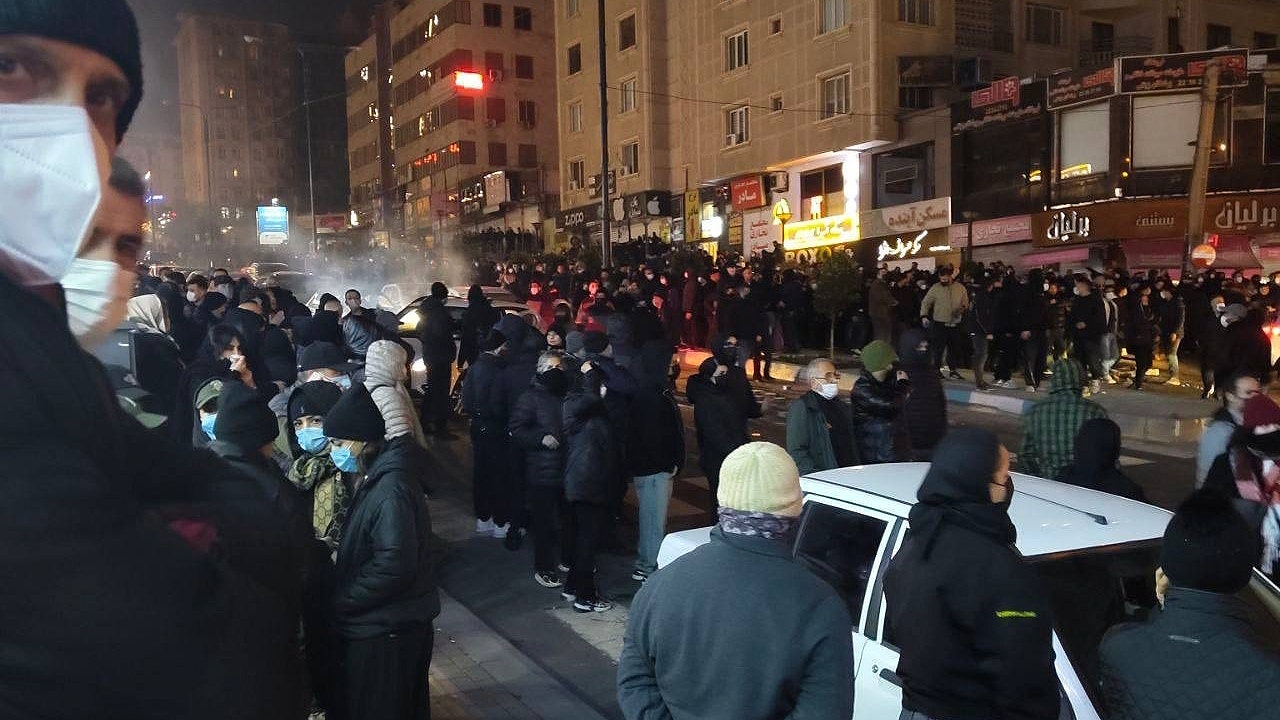
Unlike past Iranian uprisings reliant on street-level activism, the 2026 protests—ignited on January 1 against Supreme Leader Ali Khamenei—have sparked unprecedented global digital solidarity. Hashtags like #IranProtests and #FreedomForIran trend worldwide, amplifying voices amid Tehran's internet blackouts. Online fundraising campaigns on platforms like GoFundMe have raised millions for protesters' families, while exiled opposition leader Reza Pahlavi uses X to rally support, posting messages saluting demonstrators from Lorestan to Tehran and urging international backing. Reports indicate U.S. President Donald Trump plans discussions with Elon Musk to restore internet access, bypassing regime censorship. This digital surge contrasts sharply with isolated local efforts, fostering real-time global coordination.
Historical Echoes: Protests of the Past and Their Lessons
The current unrest echoes the 2009 Green Movement, where disputed elections sparked mass demonstrations met with brutal crackdowns, internet shutdowns, and over 70 deaths. Then, social media like Twitter offered nascent global visibility; now, it's a powerhouse. Timeline markers—16 dead by January 4, protesters renaming a Tehran street for Trump on January 7, and swelling crowds by January 9—mirror patterns of regime escalation seen in 2019's "Bloody November" protests, where 1,500 were killed. Historical responses, including communication jams, inform today's drone surveillance and live-fire tactics, but amplified global scrutiny pressures Tehran differently.
The Cost of Resistance: Casualties and Arrests
Rights groups report over 500 deaths and more than 10,000 arrests since January 1, with figures rising amid "distinctive" drone deployments and close-range shootings, as in the case of student Rubina Aminian, killed in the head. These tolls reflect regime desperation, deploying military assets against unarmed crowds in cities like Isfahan and Khuzestan. Pahlavi has highlighted prison deaths and blackouts, claiming the regime's apparatus is weakening. Confirmed: 500+ fatalities per Channel News Asia; unconfirmed higher estimates circulate online.
What Lies Ahead: The Future of Protests in Iran
Facing U.S. warnings of "very strong options" and Trump's protester support pledges, the regime may escalate crackdowns to deter momentum. Yet, surging digital solidarity—bolstered by Pahlavi's calls to target propaganda outlets—could force negotiations or reforms, especially if external actors like the U.S. and Israel intensify pressure. Regional powers may exploit instability, but widespread diaspora rallies signal a tipping point. Analysts predict sustained protests could precipitate regime fractures, though total collapse remains speculative.
(Word count: 598. This is a developing story.)
Track this story live
Original Sources
- •
- •
- •
- •
- •
- •
- •
- •Deaths from Iran protests reach more than 500, rights group says— channelnewsasia
- •
- •Commentary: Why this wave of protests is different for Iran— channelnewsasia
Editorial process: This article was synthesized from the original sources cited above using The World Now's AI editorial system, with byline accountability from our editorial team. We grade every story for source grounding, factual coherence, and on-topic match before publication. Read more about our editorial standards and contributors. Spot something inaccurate? Let us know.
Last updated: February 26, 2026






