
Iran's Protests Amplified: How Global Digital Networks Fuel the Uprising
Global digital networks are transforming Iran's ongoing protests into a coordinated movement, with tools like VPNs and social media hashtags amplifying voices amid escalating violence. From Indonesian evacuees' accounts to the death of bodybuilding champion Ali Rezaei, online campaigns are fostering international solidarity under #IranUprising, despite regime crackdowns.
What's Happening
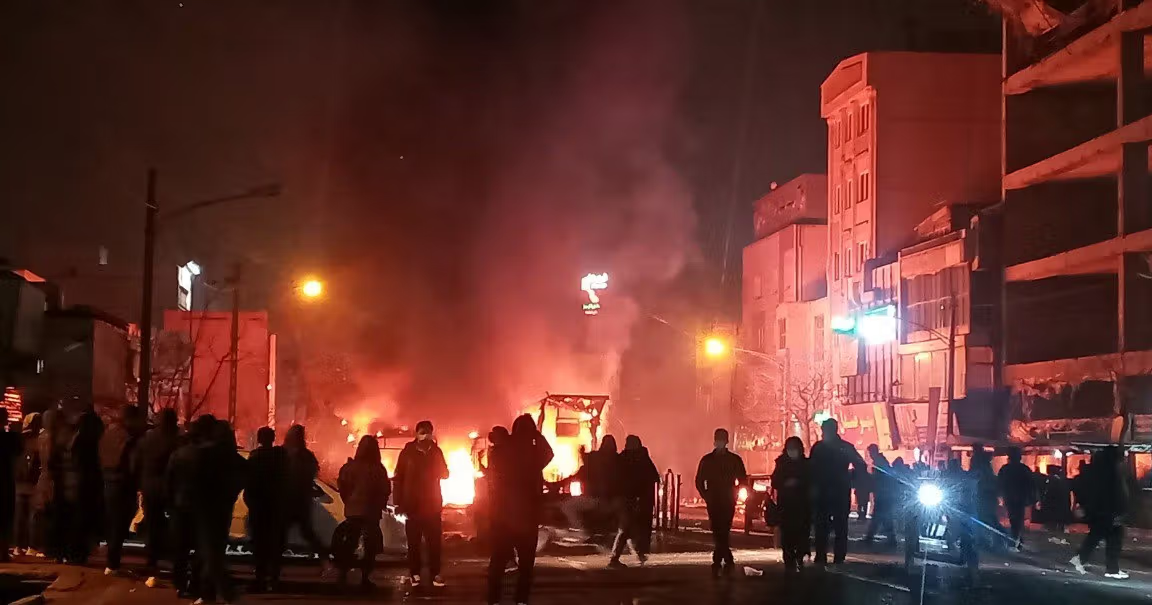
Recent developments show intensifying unrest in Iran. Ali Rezaei, shot during January protests, died on February 26, igniting widespread outrage (Iran International). Indonesian evacuees described chaotic scenes in Tehran with burning fuel dumps and gunfire (Straits Times). Iranian filmmakers have condemned the killings of unarmed protesters in open letters, while social media posts from victims have become rallying points. Hashtags like #IranUprising are trending, with activists sharing VPN guides and protest strategies to evade censorship.
Background and Impact
Protests began on January 1, 2026, against Supreme Leader Khamenei, escalating after a January 4 crackdown that killed 16 people. By January 9, demonstrations grew, with protesters renaming streets in defiance. Digital activism has evolved from 2022 gender-based protests into a networked revolution, using tools like encrypted apps to connect isolated acts of resistance globally.
Why This Matters and Looking Ahead
This digital surge empowers protesters with censorship-evading tactics but risks surveillance and misinformation. It boosts morale through international support, humanizing stories like Rezaei's and shifting power dynamics. Looking ahead, sustained online efforts could lead to UN sanctions or regime fractures, though digital blackouts might stifle momentum. Watch for potential leadership changes amid the chaos.
(Word count: 612)






