Iran's Power Vacuum: How China and Russia's Support is Fueling a New Multipolar Order
China and Russia are intensifying their support for Iran amid a potential leadership transition following Ayatollah Ali Khamenei's successor selection, as announced by Iran's Assembly of Experts. This development, amid Israeli threats and escalating tensions, is accelerating a shift toward a multipolar world order, challenging Western influence and reshaping global geopolitics.
What's Happening
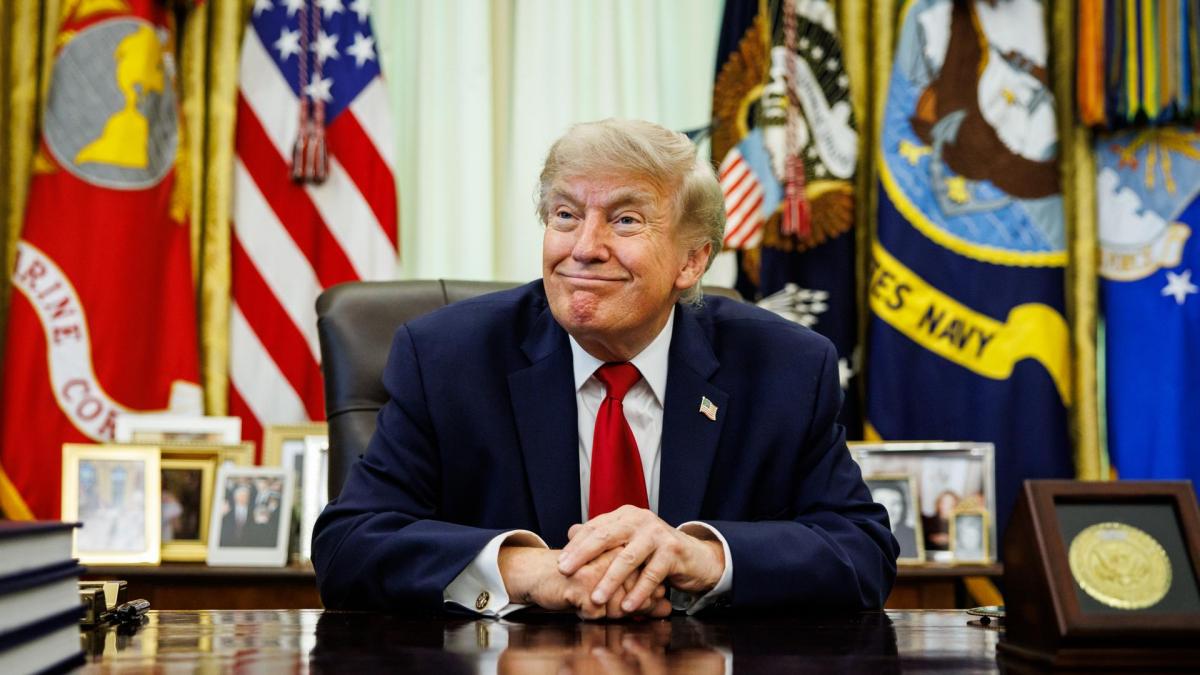
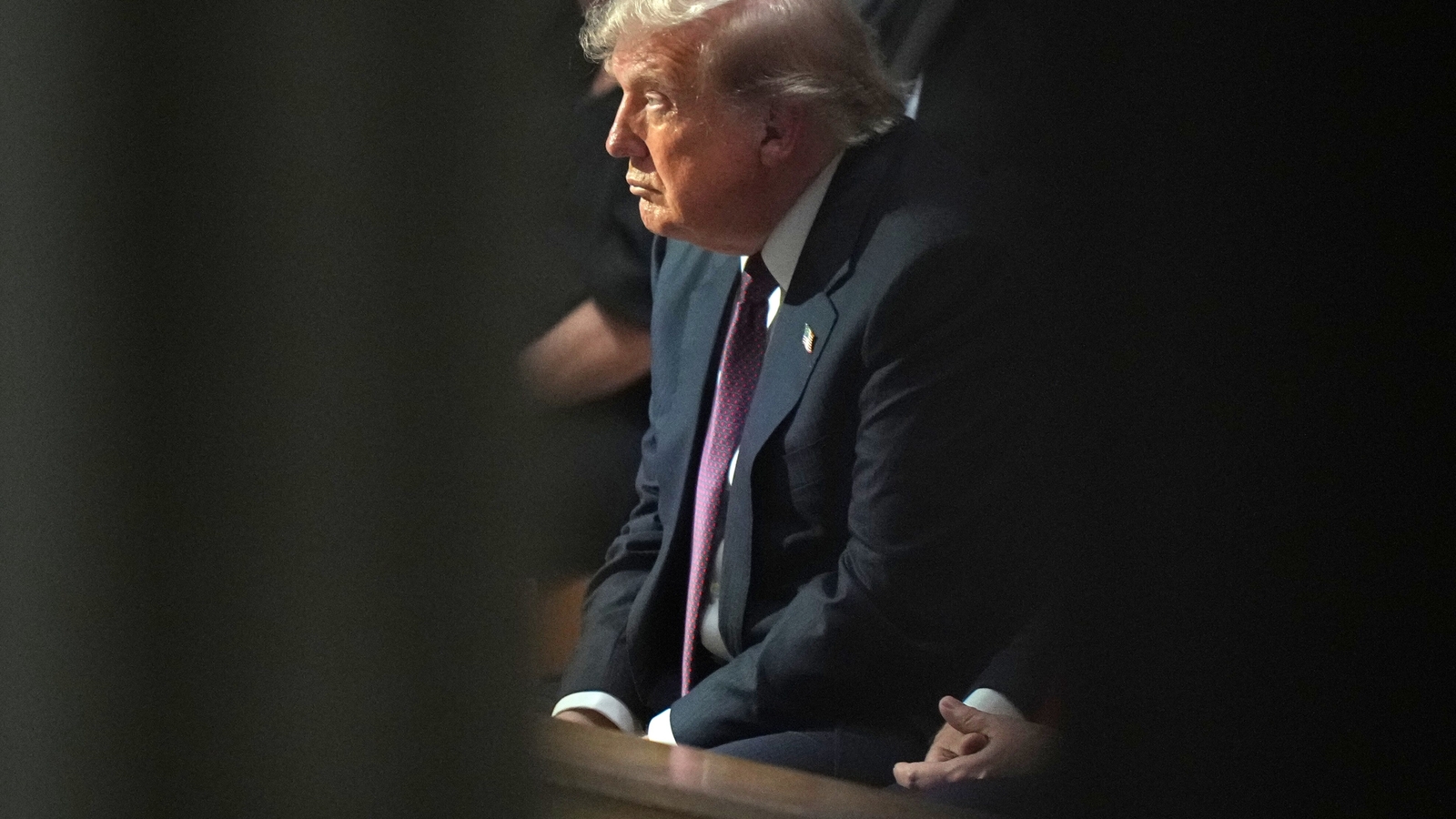
Iran's Assembly of Experts has reached a consensus on Khamenei's successor, as reported by Al Jazeera on March 8, 2026, though the identity remains undisclosed. Israel has threatened to target committee members, according to Anadolu Agency, while Iran's president vows retaliation against any aggressors. China opposes regime change, citing a lack of popular support (Al Jazeera), and Russia is providing funds and intelligence (Il Gazzettino). Economic impacts include disruptions to China's sulfur imports (SCMP), and former U.S. President Trump has rejected war settlements, suggesting extreme measures (Cyprus Mail).
Context and Background
Tensions have escalated rapidly: In late 2025, Iran warned of responses to U.S. actions, followed by hints of strikes on Israel in January 2026. Iran's Army Chief rebuked threats, and international responses included U.S. calls for protester aid and the UK's embassy closure in Tehran. This isolation has pushed Iran closer to China and Russia, evolving from defensive alliances to proactive partnerships, especially as debates over Khamenei's succession intensify.
Why This Matters and Looking Ahead
This alliance benefits China by securing energy imports and expanding Middle East influence, while Russia gains leverage through oil and weakening U.S. positions (AP News). However, risks include potential sanctions and internal Iranian instability. Looking ahead, China may increase aid, risking trade disruptions, and Russia could exploit regional chaos for long-term gains. If the succession leads to regime collapse, it might trigger a power shift, with Trump's policies potentially escalating conflicts and solidifying multipolar realignment.
This is a developing story and will be updated as more information becomes available. (Word count: 612)