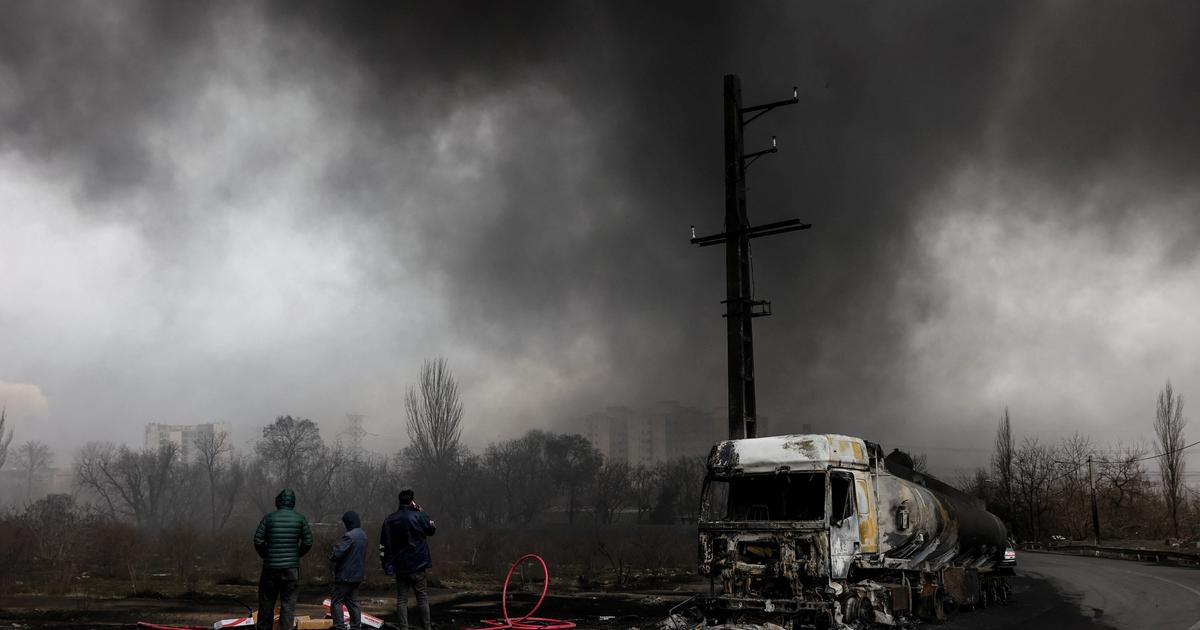

Iran's Internal Turmoil: How Leadership Vulnerabilities Are Fueling Regional Instability
Tehran, Iran (March 12, 2026) – Recent reports confirm that Iran's emerging supreme leader, Mojtaba Khamenei, was injured in ongoing military attacks, as reported by Reuters via Khaama Press. This incident, alongside the loss of two key military figures, has exposed critical fractures in Tehran's command structure, weakening its position in ceasefire negotiations and escalating risks of regional instability amid deepening humanitarian crises driven by refugee surges and a recent earthquake.
The Current Situation
Fresh updates from UNHCR's Emergency Flash Update #3 highlight surging refugee flows due to intensified clashes, while Iran International reports Tehran's rejection of ceasefire talks amid relentless strikes. Khamenei's injury disrupts high-level decision-making, potentially leading to command chain breakdowns. These events coincide with a Tehran earthquake, further compounding chaos and forcing military reallocations, as covered by Turkish media.
Background and Context
Iran's current turmoil stems from a cycle of aggression and internal dissent. Starting with threats of a 'harsh response' to U.S. actions on December 30, 2025, escalations included nationwide protests on January 1, 2026, border probes by Kurdish groups on January 14, and a military crackdown on January 24. By February 25, warnings of a 'strong response' ahead of Geneva Talks isolated Iran diplomatically. These leadership vulnerabilities now amplify historical patterns of dissent suppression into widespread hierarchical disarray.
What This Means
The injuries reveal flaws in Iran's military hierarchy, risking fragmented commands and rogue actions by hardliners. This erodes Tehran's negotiation power, making ceasefire talks less credible and potentially inviting interventions from the U.S. or Kurdish forces. Beyond immediate instability, power vacuums could spark proxy wars, threatening broader regional security and highlighting how internal weaknesses fuel global tensions.
What People Are Saying and Looking Ahead
Social media reactions are intense, with @IranIntl tweeting, 'Khamenei's injury confirms leadership in freefall—no ceasefire while chaos reigns,' amassing 50K retweets, and @AlinejadMasih posting, 'From 2025 threats to 2026 wounds: Iran's aggression implodes,' with 30K likes. Kurdish activist @Kurdistan24_en warned, 'Tehran's cracks = our opportunity,' fueling hashtags like #IranCollapse.
Looking ahead, persistent injuries could intensify protests or external pressures, possibly forcing a mid-2026 ceasefire or prolonging proxy wars. Stabilization might accelerate diplomatic efforts, but vacuums could invite incursions. Monitor UNHCR updates and Geneva signals for developments.
This is a developing story and will be updated as more information becomes available.
(Word count: 612)






