
Iran's High-Stakes Geopolitical Gamble: Military Posturing Amid Domestic Vulnerabilities
Overview of Current Tensions
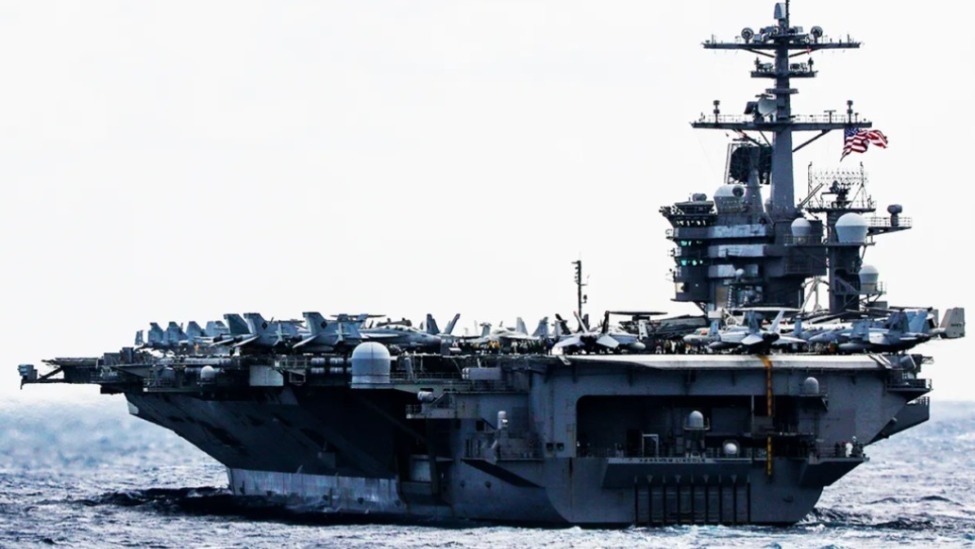
Iran's Revolutionary Guard Corps (IRGC) has intensified its rhetoric as the United States increases its naval presence in the Middle East. IRGC commander Hossein Salami has stated that the regime has its "finger on the trigger," indicating a readiness for conflict as US aircraft carriers and warships arrive in the region. This military buildup has been reported by various outlets, including Fox News and Al Jazeera. An analysis in the Jerusalem Post suggests that the US is preparing for possible limited strikes under President Trump to apply pressure on Tehran's leadership. Iran's warnings of "dire consequences" highlight a high-stakes standoff, with the IRGC asserting unprecedented preparedness according to Anadolu Agency.
Historical Context: Iran's Responses to External Threats
This situation reflects Iran's historical pattern of defiant responses to perceived external threats. On December 30, 2025, Iran vowed a "harsh response" to US warnings, and by January 6, 2026, it hinted at potential strikes on Israel. Army Chief Mohammad Bagheri countered US-Israel threats on January 7, while Senator Lindsey Graham's call for Trump to support Iranian protesters on January 13 added to the pressure. These developments culminated in the UK Embassy's closure in Tehran on January 14 amid deteriorating diplomatic relations. Such events echo past strategies, including proxy escalations during the 2019-2020 tensions surrounding Qassem Soleimani, illustrating Tehran's reliance on bluster to deter intervention while isolating itself diplomatically.
Domestic Challenges: The Internal Struggles of Iran
Beneath the saber-rattling lies a fragile domestic situation. Iran's economy is suffering under sanctions, with inflation exceeding 40% and youth unemployment at 25%, which has fueled widespread protests. Reports from the AP link IRGC statements to this domestic unrest. Social media commentary, such as a tweet from Iranian exile @IranWire, highlights the disconnect between IRGC threats and the reality of protests over blackouts and bread lines, emphasizing the ongoing #IranCrisis. Public sentiment, as expressed by dissidents on X, indicates a wariness of conflict amid these hardships, potentially constraining Supreme Leader Khamenei's options and risking broader uprisings.
Predictive Analysis: What Comes Next for Iran?
As US actions escalate, Iran may resort to asymmetric warfare tactics—such as drone swarms, proxy attacks via Hezbollah, or cyberattacks—rather than direct confrontation, given the conventional military disparities. Internal pressures could temper aggression; rising unrest might necessitate a de-escalatory pivot, as suggested by reports in the Guardian about the government bracing for potential attacks. Expert @EliLake on X has predicted that "Iran's bluff holds until protests overwhelm—watch for cyber retaliation first."
What This Means for the Future
The current standoff presents a precarious balance for Iran. While the regime's military posturing aims to rally nationalists and distract from internal vulnerabilities, it risks miscalculation amid domestic unrest. Regional stability hangs in the balance: escalation could lead to a wider conflict, while restraint might embolden protesters and reshape Tehran's approach. For ordinary Iranians, caught between external threats and domestic woes, the human cost remains the most pressing concern.
By Elena Vasquez, Global Affairs Correspondent for The World Now. This is a developing story.






