Iran's Geopolitical Landscape: The Unseen Forces Behind Regional Stability Amid Rising Tensions

Latest from X
Iran's Geopolitical Landscape: The Unseen Forces Behind Regional Stability Amid Rising Tensions
Internal Factions: The Driving Force Behind Iran’s Geopolitical Decisions
Iran's foreign policy is profoundly shaped by its internal power struggle between hardliners and reformists. Hardliners, led by Supreme Leader Ayatollah Ali Khamenei and the Islamic Revolutionary Guard Corps (IRGC), advocate aggressive stances against the US and Israel, viewing external pressures as opportunities to rally domestic support. Reformists, including moderates within President Masoud Pezeshkian's administration, favor diplomacy to ease sanctions and economic woes. Recent US threats have bolstered hardliners, who frame them as existential dangers, potentially sidelining reformist calls for de-escalation. This dynamic often results in escalatory rhetoric, as seen in IRGC commanders' vows to target US assets.
Historical Context: Lessons from the Past
From late 2025 to early 2026, a pattern of tit-for-tat escalations has defined US-Iran tensions. On December 30, 2025, Iran warned of a "harsh response" to US threats. This escalated on January 6, 2026, with hints of strikes against Israel, followed by Army Chief Mohammad Bagheri's defiant response to US-Israel warnings on January 7. Senator Lindsey Graham's January 13 urging of Trump to aid Iranian protesters echoed past US interventions, while the UK embassy closure in Tehran on January 14 signaled diplomatic fallout. These events mirror historical precedents, like 2019 US carrier deployments under Trump, which Iran dismissed as "psychological warfare" but met with proxy escalations via Hezbollah. Such cycles reveal Iran's strategy of asymmetric retaliation to deter direct confrontation while unifying factions against foreign foes.
Current Developments: The Role of Gulf Leaders and US Strategy
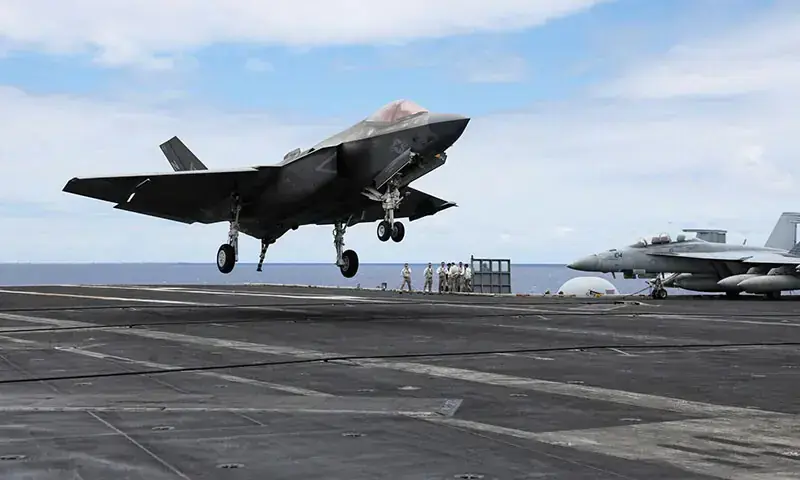
Gulf leaders have emerged as pivotal influencers, privately urging the Trump administration to avoid strikes amid Iranian unrest. Saudi Arabia, Oman, and Qatar warned of oil market chaos and economic blowback for the US, convincing Trump to "give Iran a chance," per officials. Reports confirm the US is repositioning the USS Abraham Lincoln carrier strike group toward the Persian Gulf, heightening alert levels. Trump has vowed to "hit very hard" but informed Tehran no attack is imminent, amid claims of paused executions in Iran. Posts on X reflect Gulf states' push for diplomacy over strikes, with users noting Saudi and Qatari pressure on Trump and VP Vance for limited action, underscoring regional fears of IRGC retaliation.
Looking Ahead: What’s Next for Iran and the Region?
Sustained US military presence, including the carrier group, risks galvanizing Iran's hardliners, potentially shifting internal dynamics toward greater IRGC dominance and suppressing reformists. Analysts warn US actions could backfire, portraying intervention as regime-saving propaganda for Khamenei, as seen in past protests. Iran may respond with missile tests, Strait of Hormuz threats, or proxy attacks, per historical patterns. If tensions peak, Gulf oil disruptions loom, with hardliners possibly closing the strait to Western ships. A reformist pivot remains possible if Trump opts for sanctions over strikes, but escalation could trigger broader conflict involving Israel.
Conclusion: Navigating the Complexities of Iranian Geopolitics
Iran's geopolitical stance hinges on the interplay of hardliner-reformist rivalries and external pressures from the US, Israel, and Gulf states. Understanding these unseen forces is crucial for forecasting stability; ignoring them risks miscalculating responses that perpetuate cycles of tension. As carrier movements and rhetoric intensify, the region teeters on a knife-edge.
Track this story live
Live World Map
Monitor global events in real time with a live activity map and hotspot summaries.
Markets
Connect live events to Catalyst market signals across crypto, commodities, indices, and forex.
Geopolitical Risk
Live geopolitical risk index tracking conflict zones, sanctions, and global threat levels.
Original Sources
- •
- •
- •
- •
- •
- •
- •
- •
- •
- •
Editorial process: This article was synthesized from the original sources cited above using The World Now's AI editorial system, with byline accountability from our editorial team. We grade every story for source grounding, factual coherence, and on-topic match before publication. Read more about our editorial standards and contributors. Spot something inaccurate? Let us know.
Last updated: February 18, 2026