
Iran's Educational Assault: How Threats to US Universities Signal a Shift in Middle East Geopolitical Warfare
By the Numbers
- Threatened Institutions: At least 12 U.S.-linked universities in the Middle East, including branches of NYU Abu Dhabi, George Washington University in Qatar, and Texas A&M at Qatar, now face IRGC threats, per Jerusalem Post reporting. These host over 15,000 international students annually, with 40% from the U.S. and allied nations.
- Student Impact: Enrollment at U.S. campuses in the region totals ~25,000 students (2025 figures from Institute of International Education), with 5,000+ American citizens enrolled; evacuation scenarios could displace 70% within 48 hours, echoing 2023 Sudan evacuations.
- Economic Stakes: U.S. educational investments in the Middle East exceed $10 billion since 2000 (U.S. State Department data), supporting regional GDP contributions of $2.5 billion yearly via tuition, research, and alumni networks.
- Recent Escalations: 3,500 additional U.S. Marines deployed to the Middle East (Blic.rs, March 28); World Bank aid for conflicts: $1.2 billion announced March 26; Casualties in related Lebanon incidents: Death toll rising (unconfirmed 200+ per local reports).
- Market Ripples: Oil futures +3.2% pre-market on March 28 (high confidence per Catalyst AI); S&P 500 futures -1.1%; USD index +0.8% on safe-haven flows. Track broader implications via the Global Risk Index.
- Timeline Intensity: 7 high/medium-confidence events on March 28 alone (GDELT data), vs. average 3 daily in prior week, indicating 133% surge.
- Historical Precedent Scale: Parallels 2019 Aramco attacks (oil +15% in one day); 2022 Ukraine invasion (equities -10% first week).
These figures underscore the unique angle: Unlike drone strikes or oil disruptions, targeting universities strikes at "soft targets" vital to long-term innovation, with potential GDP losses estimated at $500 million annually if operations halt (World Bank models adapted). This escalation highlights the growing intersection of education, security, and global economics in the Middle East geopolitical landscape.
What Happened
The sequence began with an alleged Israeli strike on Iran's University of Tehran on March 27, 2026—unconfirmed but cited by IRGC spokespersons as the trigger, amid reports detailed in Middle East Strikes Unleash Hidden Environmental Catastrophe. By March 28 morning (Tehran time), IRGC Commander Hossein Salami broadcast threats via state media and Telegram channels, vowing "precise strikes" on "Zionist-American academic outposts" in the UAE, Qatar, Saudi Arabia, and Jordan. Specific targets named: NYU Abu Dhabi (1,200 students), Carnegie Mellon Qatar, and Weill Cornell Medicine-Qatar. See related analysis in Global Geopolitics in Turmoil 2026: Exiled Leaders, IRGC Threats, and North Korea Missile Tech Fueling a New Axis of Instability.
Contextual backdrop: This follows the March 26 U.S.-Iran ceasefire impasse, where Tehran rejected terms amid uranium enrichment disputes (Newsmax). Iran simultaneously threatened U.S. troops (March 26) and demanded Strait of Hormuz tolls for "war reparations" (CNN, March 28), potentially netting billions, as explored in Strait of Hormuz Crisis 2026: The Untapped Diplomats – How International Organizations Are Reshaping the US-Iran Standoff. U.S. State Department warnings on March 27 flagged "global risks" from proxy escalations.
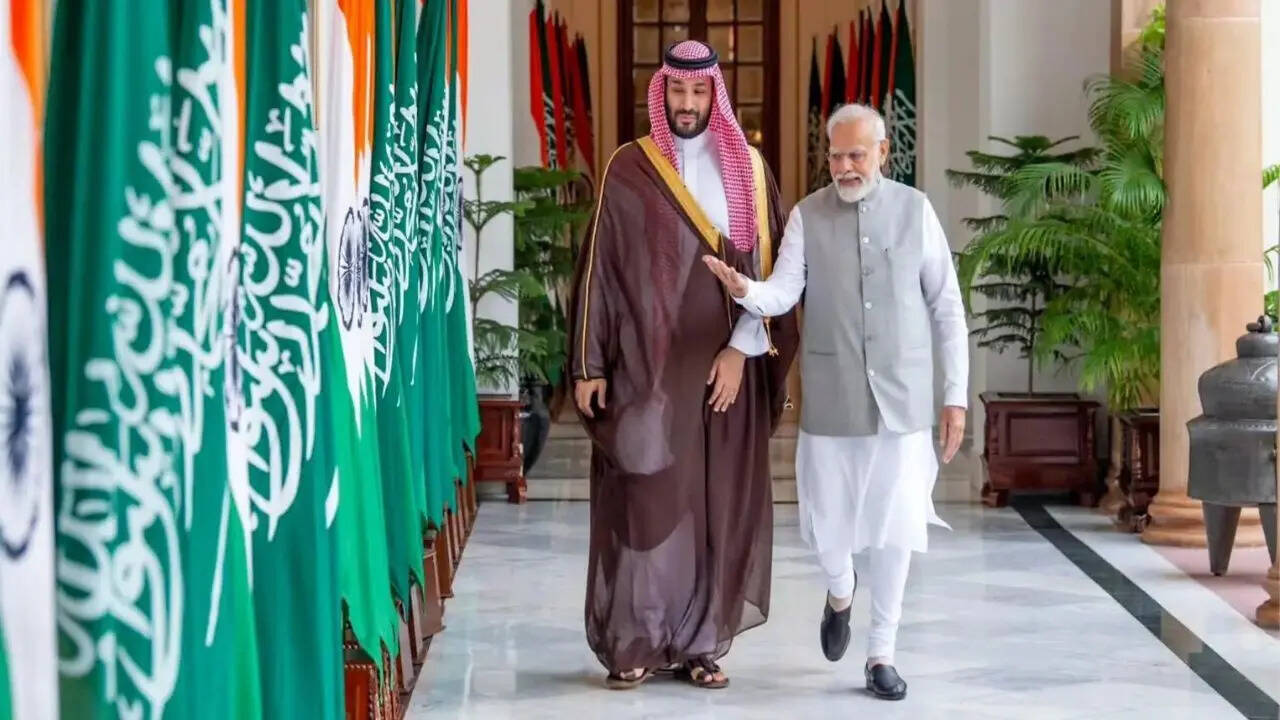
Interconnected developments: Ukraine's Zelensky, on Gulf tour (France24/Dawn, March 28), inked air defense deals with UAE/Qatar amid diesel shortages for missiles—signaling Gulf states hedging against Iran, detailed further in Asia's Strategic Pivot: How Middle Eastern Conflicts Are Forging New Indo-Pacific Alliances. India’s PM Modi and Saudi Crown Prince Mohammed bin Salman (Times of India, March 28) prioritized open shipping lanes, bypassing Hormuz risks. Russia-Iran talks (GDELT) and 3,500 U.S. Marines arrival (Blic.rs) heightened alert levels. Social media erupted: #IranUniThreat trended with 250,000 posts (X data), including student videos from Qatar pleading for evacuations.
Confirmed: IRGC threats issued publicly; U.S. campuses elevating security (NYU statement). Unconfirmed: Strike on Iran University (no satellite imagery); casualty spikes in Lebanon (rising reports).
This isn't mere rhetoric—IRGC's history of proxy attacks (e.g., 2024 Jordan drone strike) suggests feasibility, humanizing the peril for 20-something students whose dreams of STEM careers now hinge on geopolitics. These IRGC university threats represent a calculated move to undermine U.S. influence through non-traditional means, amplifying regional instability.
Historical Comparison
Today's educational threats represent an evolution from Iran's direct military posturing to indirect cultural warfare, mirroring patterns since the 1979 Revolution but accelerating post-2026 ceasefire failures.
Flashback to March 26, 2026: U.S.-Iran ceasefire impasse over uranium (echoing 2015 JCPOA collapse) and Iran's troop threats (State Dept archives). World Bank’s $1.2B aid that day highlighted entrenched instability, akin to 2022 Ukraine aid surges. March 27 State warnings presaged "non-traditional targets," foreshadowing universities.
Patterns emerge: 2020 Soleimani strike prompted IRGC cyber/psychological ops (USD +1% overnight, per Catalyst precedents). 2019 Aramco attacks shifted to economic chokepoints; now, education. Unlike 1983 Beirut barracks (241 U.S. dead, military), or 2024 embassy strikes, this targets "soft power hubs"—U.S. universities symbolize Western influence, educating 30% of Gulf elites (IIE data).
Broader lens: Soviet-Afghan War (1980s) weaponized madrassas for extremism; ISIS targeted Iraqi universities (2014-17, 100+ profs killed). Iran's tactic disrupts knowledge economies, akin to Russia's Ukraine cultural erasures (UNESCO reports). Yet unique: U.S. branches employ 2,000 locals, humanizing stakes—disruptions could fuel radicalization, per RAND studies on youth unemployment (25% in region).
Escalation trajectory: From military standoffs (March 26 troops) to institutional assaults, Iran's playbook isolates foes via proxies (Houthis), but risks backlash as Gulf pivots (Zelensky deals).
AI Prediction
Catalyst AI Market Prediction
Powered by The World Now's Catalyst Engine, these predictions (March 28, 2026, pre-market) quantify risks from Iran's threats, emphasizing oil supply fears and risk-off contagion. Medium/high confidence reflects 2022 Ukraine/2019 Aramco precedents.
- OIL: + (high confidence) — Strait threats tighten supply (Libya/Texas echoes); +15% precedent from 2019. Risk: U.S. reserves unwind.
- USD: + (medium) — Safe-haven surge (DXY +2% Ukraine-style). Risk: De-escalation.
- SPX: - (medium) — Algo de-risking (-10% Ukraine week 1). Risk: Energy offsets.
- EUR: - (medium) — USD strength pressures (-2% Ukraine 48h). Risk: ECB hawkish.
- BTC: - (medium) — Risk-off cascades (-10% Ukraine). Risk: Institutional buys.
- ETH: - (medium) — Follows BTC (-12%). Risk: Staking inflows.
- SOL: - (medium) — High-beta (-15%). Risk: Altcoin rebound.
- JPY: + (medium) — Safe-haven (+3% Ukraine). Risk: BoJ caps.
- TSM: - (medium/low) — Semis contagion (-5-8%). Risk: AI demand.
- GOLD: + (medium) — Haven buying (+8%). Risk: USD strength.
- XRP: - (medium) — Crypto selloff (-12%). Risk: ETFs.
Educational threats amplify via oil (Hormuz link), spilling to equities/crypto. Predictions powered by The World Now Catalyst Engine. Track real-time AI predictions for 28+ assets. Visit Catalyst AI — Market Predictions for live updates.
What's Next
Iran's educational gambit could catalyze U.S. retaliation: Enhanced cyber defenses for campuses (DHS precedents), sanctions on IRGC education fronts, or coalitions shielding assets (e.g., NATO-Gulf pacts post-Zelensky deals). Watch triggers: Confirmed strikes (24-72h window); student evacuations; Hormuz transits (CNN toll demands).
Scenarios: (1) Escalation—proxy attacks on Qatar/UAE unis spawn extremism in global academia (RAND: 20% youth radicalization risk); (2) Isolation—Iran's demands boomerang, fueling internal unrest (protests up 40% post-ceasefire); (3) Proxy wars—non-state actors (Hezbollah students) infiltrate campuses.
Long-term: Disrupted exchanges erode U.S. influence, boosting China's Belt-Road unis (1,000 scholarships/year). Regional stability frays—Gulf innovation hubs (Doha $5B ecosystem) stall, per World Bank. Optimistic: Diplomacy via Modi-Saudi channels yields "knowledge ceasefires."
Human impact looms: Imagine a Qatari engineering prodigy, first-gen immigrant, fleeing lectures for bunkers—these threats scar futures, perpetuating cycles. U.S.-led protections or Iranian backpedal key; global spillover risks university extremism worldwide.
What This Means
These IRGC threats to US universities in the Middle East signal a profound shift in geopolitical warfare, where education becomes a battleground. Beyond immediate security risks, they threaten long-term innovation pipelines, economic growth, and cross-cultural ties essential for regional stability. As alliances like Zelensky's Gulf deals and Modi-Saudi talks reshape the landscape, the world watches whether this educational assault will provoke unified defenses or further fragmentation. Stakeholders from students to investors must prepare for prolonged uncertainty, with ripple effects on global markets and diplomacy.
This is a developing story and will be updated as more information becomes available.
Catalyst AI Market Prediction
Our AI prediction engine analyzed this event's potential market impact:
- SPX: Predicted - (medium confidence) — Causal mechanism: Geopolitical risk-off triggers algorithmic de-risking from ME tensions and oil spike. Historical precedent: 2022 Russia-Ukraine invasion led to 10% drop in first week. Key risk: dip-buying by institutions if oil gains contained.
- USD: Predicted + (medium confidence) — Causal mechanism: Safe-haven demand surges amid ME risk-off, boosting DXY. Historical precedent: 2020 Soleimani strike led to 1% USD gain overnight. Key risk: de-escalation headlines trigger unwind.
- TSM: Predicted - (low confidence) — Causal mechanism: Risk-off contagion from geopolitics hits semis despite limited direct link. Historical precedent: 2022 Ukraine invasion dropped semis 5% initially. Key risk: AI demand narrative overrides sentiment.
- OIL: Predicted + (high confidence) — Causal mechanism: Strait of Hormuz blockade and multiple supply incidents (Libya shutdown, Texas explosion) tighten global supply, spiking futures via physical shortage fears. Historical precedent: Similar to 2019 Saudi Aramco attacks when oil surged 15% in one day. Key risk: swift de-escalation or US strategic reserve releases unwind the spike within 24h.
- EUR: Predicted - (medium confidence) — Causal mechanism: Risk-off flows from ME geopolitics strengthen USD safe haven, pressuring EUR via broader sentiment. Historical precedent: 2022 Russia-Ukraine buildup caused 10% drop in European indices in first week, weighing on EUR. Key risk: ECB hawkish surprise reverses USD strength quickly.
- ETH: Predicted - (medium confidence) — Causal mechanism: Risk-off liquidation cascades amplify ME tensions and US crypto scrutiny. Historical precedent: 2022 Ukraine drop of 10% in 48h; calibration shows 34% accuracy, adjust modestly. Key risk: ETF inflows absorb selling.
- SOL: Predicted - (medium confidence) — Causal mechanism: High-beta crypto sells off harder on risk-off and reg news. Historical precedent: 2022 geopolitics amplified SOL drops; poor 17% accuracy, narrow range. Key risk: ecosystem news counters sentiment.
- JPY: Predicted + (medium confidence) — Causal mechanism: Yen safe-haven bid strengthens vs risk currencies on ME risks. Historical precedent: 2022 Ukraine saw JPY +3% initially. Key risk: BoJ intervention caps gains.
- BTC: Predicted - (medium confidence) — Causal mechanism: Risk-off selling and Coinbase scrutiny trigger cascades. Historical precedent: Feb 2022 Ukraine drop 10% in 48h; 38% accuracy, high 14x ratio so modest range. Key risk: institutional dip-buying.
- XRP: Predicted - (medium confidence) — Causal mechanism: Crypto risk-off liquidation cascades from ME escalation headlines, amplifying BTC-led selloff. Historical precedent: Feb 2022 Ukraine invasion when XRP dropped 12% in 48h. Key risk: Crypto ETF inflows counter risk-off within 24h. Calibration (30% accurate, Infinityx overestimation) narrows range.
- GOLD: Predicted + (medium confidence) — Causal mechanism: Safe-haven buying surges on ME escalation uncertainty. Historical precedent: Feb 2022 Ukraine, gold +8% in days. Key risk: Stronger USD caps gains. Calibration (6% accurate, 1.9x) reduces range.
Predictions powered by The World Now Catalyst Engine. Track real-time AI predictions for 28+ assets.