Iran's Civil Unrest: The Role of Youth in Transforming Protest Dynamics

Latest from X
Iran's Civil Unrest: The Role of Youth in Transforming Protest Dynamics
Overview of Recent Protests
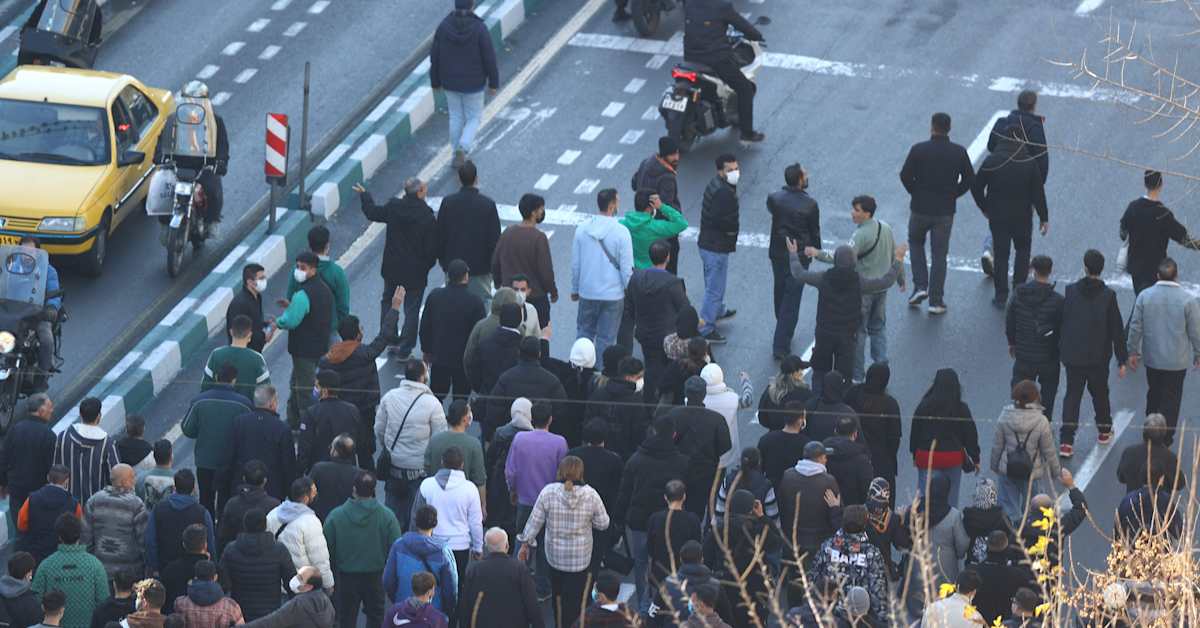
Iran's ongoing protests, which erupted on January 1, 2026, against Supreme Leader Ali Khamenei, have seen unprecedented youth involvement. This demographic shift distinguishes the current unrest from previous uprisings. Rights groups and media outlets, including CNN, have reported on the tragic deaths of student protesters, emphasizing that many demonstrators are under 18 years old and are driven by hyperinflation and repression. Social media platforms like X have become crucial for organizing protests, with youth sharing real-time tactics and experiences of arrests and injuries.
Youth as Catalysts of Change
Unlike the 2019 fuel protests, which were primarily led by working-class adults, or the 2022 Mahsa Amini movement that attracted a broader demographic, today's protests are characterized by a decentralized organization facilitated by social media. Young protesters have adopted innovative strategies to evade surveillance, utilizing encrypted messaging apps and viral chants to communicate. Notably, on January 7, youth activists renamed a Tehran street after former U.S. President Trump, significantly amplifying their message and visibility on global platforms.
Historical Context: Lessons from the Past
This wave of protests builds on the escalations of 2026, where initial demonstrations against Khamenei resulted in 16 deaths by January 4, expanding further by January 9. Previous crackdowns, such as the violence from the morality police in 2022, have only hardened the resolve of protesters. Reports indicate that foreign-linked channels on X are coaching activists on strategies that shift from peaceful marches to sustained disruption, indicating a significant evolution in protest tactics.
Government Response and International Reactions
In response to the unrest, Tehran has intensified its crackdown, including the arrest of protest leaders, complete internet blackouts, and framing the riots as operations by the Islamic Revolutionary Guard Corps (IRGC). The death toll remains contested, with figures ranging from 203 (according to activists) to over 500 (reported by various news outlets). Internationally, Iran has issued warnings to the U.S. and Israel regarding potential retaliation amid threats of U.S. intervention. Observers note that regional powers are cautious, fearing the spillover effects of the unrest.
Looking Ahead: The Future of Civil Unrest in Iran
Historical patterns suggest that while crackdowns may suppress short-term momentum, the innovative strategies employed by youth signal sustained pressure on the regime. If internet blackouts and mobilization of the Basij continue, unrest could fracture into underground networks, posing risks of broader instability. Previous uprisings, such as the 2022 protests, have fizzled under force, yet the combination of economic woes and social media resilience hints at potential political shifts. The future of civil unrest in Iran remains uncertain, with the possibility of forcing concessions or even regime change. The stability of the region hangs in the balance, as escalating tensions could invite external intervention, altering the dynamics of the Middle East.
(Word count: 600)
Track this story live
Original Sources
- •
- •
- •
- •
- •
- •
- •
- •
- •
- •
Editorial process: This article was synthesized from the original sources cited above using The World Now's AI editorial system, with byline accountability from our editorial team. We grade every story for source grounding, factual coherence, and on-topic match before publication. Read more about our editorial standards and contributors. Spot something inaccurate? Let us know.
Last updated: February 18, 2026