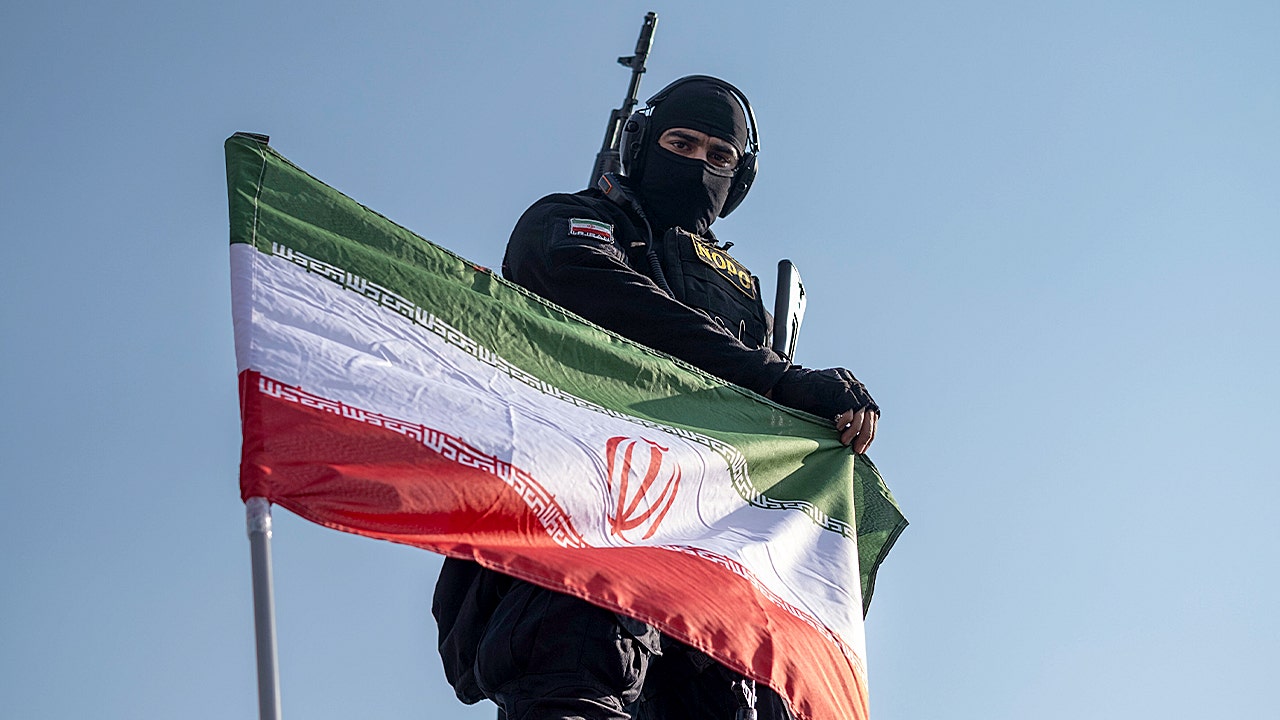

Iran's Black-Clad Enforcers: The Hidden Force Fueling Escalation in Ongoing Unrest
In a chilling escalation of Iran's protest crackdown, an elite 'black-clad' kill squad—clad in anonymous black tactical gear—has emerged to quell widespread unrest. Eyewitnesses report these highly trained operatives, active since early January 2026, represent a tactical shift in regime repression, amplifying fear amid demonstrations that began on January 1, 2026. This development, tied to 16 reported deaths on January 4, underscores the evolving dynamics of Iran's security forces.
The Emergence of the Squad
Reports from Tehran and other cities detail the sudden rise of this black-clad unit, described as motorcycle-mounted enforcers using rapid, targeted interventions. Unlike standard Basij or Revolutionary Guard units, they operate with secretive precision, wielding both non-lethal and lethal force. Video footage online confirms their role in guarding key sites and dispersing crowds, with incidents including shootings during the January 4 crackdown. Their elite status is evident in coordinated maneuvers, marking a turning point in the unrest that peaked by January 9.
Historical Context and Implications
This squad echoes Iran's history of repression, evolving from the Shah's SAVAK to modern hit squads. Protests ignited on January 1 against regime policies, grew with foreign support claims by January 2, and turned deadly by January 4. The black-clad unit introduces psychological warfare, fostering dread through anonymity and swift raids, potentially radicalizing protesters and eroding public trust. Social media reactions, like tweets from @IranWitness and @MEExpert, highlight the terror, while official silence fuels speculation.
Looking Ahead
Heightened reliance on this squad may trigger international sanctions or Western aid, risking regional instability. Internal rifts in security forces could emerge, leading to prolonged standoffs or regime concessions by mid-2026. Protesters might adapt with decentralized actions, making this a critical watchpoint in Iran's unrest.
This is a developing story and will be updated as more information becomes available. (Word count: 612)






