

Iran War Terminated as 60-Day Deadline Arrives, Trump Informs Lawmakers
The war against Iran has been terminated as the 60-day deadline arrives, according to statements from U.S. officials.[1][3] This development marks a significant shift in the ongoing US-Israel conflict with Iran, with former President Trump directly informing lawmakers of the termination.[1] Reports indicate that the war Iran involvement had already reached a conclusion even prior to this deadline, underscoring the rapid evolution of the situation.[3]
Termination of the Iran War
Official statements from U.S. sources have confirmed the end of the war against Iran precisely as the 60-day deadline arrived. In communications to lawmakers, Trump explicitly stated that the war against Iran has "terminated," providing a clear declaration on the status of the conflict.[1] This announcement aligns with broader U.S. assessments that emphasize the timely conclusion of military engagements tied to this timeline. The 60-day period, referenced in these statements, appears to have been a critical benchmark for operations, and its arrival prompted the formal acknowledgment of termination.[1]
U.S. officials have detailed how the termination reflects the operational realities on the ground, with no further escalation noted at this juncture.[1] The phrasing used—"war against Iran has 'terminated'"—carries weight in diplomatic and legislative circles, signaling to Congress and allies that the phase of active conflict has concluded.[1] This comes amid a context where the US-Israel alignment against Iran had drawn significant attention, and the deadline's arrival provides a structured endpoint to what had been an intense period.[5]
Furthermore, the termination is not portrayed as abrupt but as a culmination of strategic decisions, with U.S. communications emphasizing closure.[1] Lawmakers receiving these updates are positioned to adjust policy responses accordingly, potentially shifting focus from wartime measures to post-conflict evaluations.[1] The precision of the timing—directly tied to the 60-day deadline—highlights the structured nature of U.S. involvement, ensuring that announcements align with predefined operational limits.[1]
Iran War Already ‘Terminated’ Before Deadline: US Sources
Even before the 60-day deadline fully elapsed, U.S. sources confirmed that the Iran war was already "terminated."[3] This pre-deadline assessment indicates that the conflict's active phase had wound down ahead of schedule, allowing for an early declaration of conclusion.[3] The repetition in reporting—"Iran war already ‘terminated’ before deadline: US"—underscores the confidence in this status from official channels.[3]
This early termination suggests that military objectives were met or adjusted prior to the benchmark date, providing U.S. leadership with flexibility in communicating the outcome.[3] Sources attribute this to on-the-ground developments that rendered continued operations unnecessary, aligning with the broader narrative of de-escalation.[3] For stakeholders monitoring the US-Israel efforts against Iran, this confirmation dispels any notions of prolongation, affirming a swift resolution.[3][5]
The implications of this pre-deadline end extend to regional stability, as U.S. affirmations help stabilize expectations among allies and adversaries alike.[3] By stating the war Iran phase was over ahead of time, officials pave the way for diplomatic follow-ups without the overhang of active hostilities.[3] This positions the termination not as a last-minute decision but as a proactive closure, consistent with strategic planning.[3]

U.S. officials confirm end of Iran war as 60-day deadline arrives. — Source: bbc
Economic and Financial Impacts
The US-Israel war on Iran has incurred costs nearing $50 billion, according to recent estimates from U.S. media and officials.[5] These figures represent a sharp increase from earlier projections, highlighting the substantial financial burden of the conflict.[5] Reports detail how the involvement of the United States and Israel against Iran has driven expenditures to nearly $50 billion, encompassing military operations, logistics, and related support.[5]
U.S. media outlets, citing officials, have tracked this escalation, noting the "growing financial and regional impact" of the war.[5] The costs are described as a marked rise, reflecting intensified engagements that demanded significant resources.[5] This financial toll underscores the scale of the US-Israel commitment, with estimates capturing direct outlays tied to the Iran war.[5]
Analysis of these numbers reveals the pressure on national budgets, as the near-$50 billion mark signals a need for accountability in post-termination reviews.[5] Officials' inputs to media reports provide credibility to the tally, emphasizing that the figures are updated and comprehensive.[5] The war's economic footprint, therefore, extends beyond the battlefield, influencing fiscal planning and future allocations.[5]
In detailing the costs, sources point to the multifaceted nature of expenses, from deployment to sustainment, all amplified by the conflict's duration.[5] This positions the financial impact as a key legacy of the war Iran episode, with U.S. media playing a role in publicizing official estimates.[5]
Effects on Global Aid and Humanitarian Efforts
The Iran war has hampered aid deliveries to refugees in regions like Sudan, with transport costs more than doubling due to disrupted shipping.[4] UN warnings highlight how the conflict has pushed up costs and delayed deliveries, particularly for war-torn Sudan.[4] The cost of sending aid has more than doubled since the Iran war disrupted shipping routes, creating logistical bottlenecks.[4]
This disruption manifests in higher transport expenses, which strain humanitarian budgets already stretched thin.[4] Delays in aid reaching refugees exacerbate vulnerabilities in affected areas, as the UN has warned.[4] The Iran war's interference with shipping has created a ripple effect, amplifying challenges for global relief efforts.[4]
Reports specify Sudan as a focal point, where the doubled costs directly impede timely support.[4] The UN's assessment ties these issues explicitly to the war, noting the surge in transport costs as a primary barrier.[4] Humanitarian operations, reliant on efficient shipping, have suffered measurable setbacks as a result.[4]
The broader pattern shows how conflict-related disruptions cascade into aid shortfalls, with refugees bearing the brunt.[4] UN statements serve as a critical alert, quantifying the "more than doubled" costs to underscore urgency.[4] This situation illustrates the interconnectedness of regional wars and global humanitarian logistics.[4]
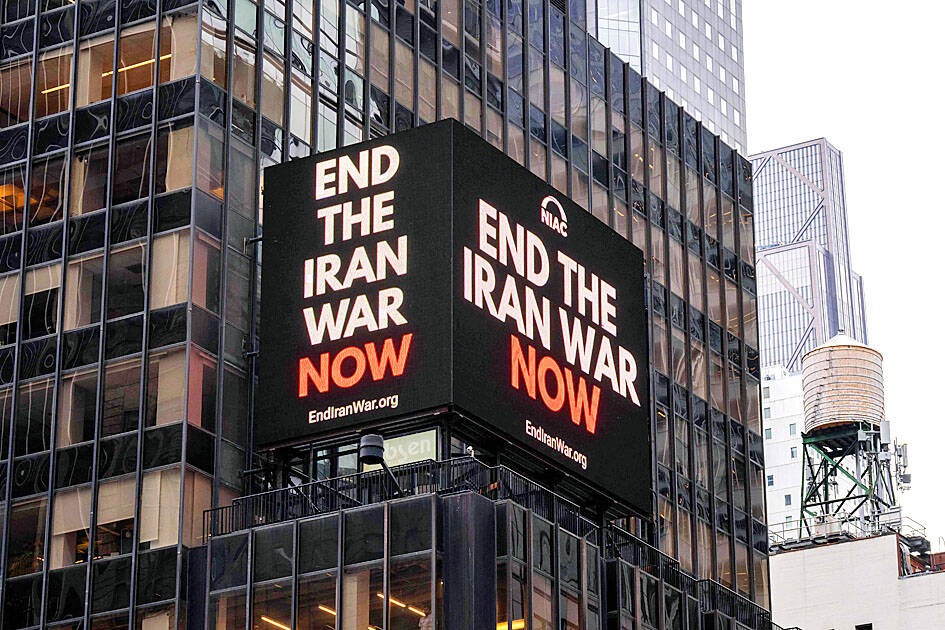
U.S. officials announce the termination of the Iran war before the deadline. — Source: taipei-times
Broader Consequences on Food Security
A shortage of fertilizer due to the Iran war could reduce crop yields and put billions of meals at risk, as stated by a fertilizer company executive.[2] The boss of Yara has warned that the Iran conflict's impact on fertilizer supplies may push crop yields lower and drive prices higher.[2] This potential scarcity threatens global food security, with billions of meals potentially affected.[2]
The executive's comments frame the Iran war as a direct contributor to fertilizer shortages, linking geopolitical tensions to agricultural outputs.[2] Reduced crop yields from insufficient fertilization could cascade into higher food prices worldwide.[2] Yara's leadership positions this as a looming crisis, with the war Iran disruptions at its core.[2]
Details from the statement emphasize the scale—"billions of meals at risk"—highlighting the stakes for food supplies.[2] The conflict's role in hampering fertilizer production or distribution amplifies vulnerabilities in farming sectors dependent on these inputs.[2] Prices rising as a consequence would further burden consumers and economies.[2]
This warning draws a clear line from the war to food security threats, urging attention to supply chain resilience.[2] The fertilizer boss's expertise lends authority, as Yara navigates the real-time effects of the Iran war.[2]
Current Status and Implications
With the Iran war now terminated as confirmed by U.S. officials and Trump’s statements to lawmakers, the current status reflects a shift from active conflict to assessing lingering effects.[1][3] The pre-deadline termination further solidifies this closure, allowing focus on consequences across multiple domains.[3]
Financially, the near-$50 billion costs incurred by the US-Israel war on Iran stand as a major implication, with U.S. media estimates citing officials on the sharp rise.[5] These expenditures will likely influence future budgeting and policy debates.[5]
Humanitarian disruptions persist, as the Iran war's impact on aid to Sudan refugees—doubling transport costs and delaying deliveries—continues to challenge UN efforts.[4] Refugee support remains hampered, pointing to prolonged recovery needs.[4]
Food security faces ongoing risks, with fertilizer shortages from the conflict threatening crop yields and billions of meals.[2] Yara's executive warnings highlight potential price hikes and yield reductions as enduring concerns.[2]
Overall, the termination provides relief but does not erase the war's multifaceted impacts, from economics to aid and agriculture.[1][2][3][4][5]
What to watch next: Monitor updates on fertilizer supply chains amid ongoing shortages from the Iran war,[2] aid delivery timelines to Sudan refugees as shipping disruptions linger,[4] and fiscal audits of the nearly $50 billion costs reported by U.S. sources.[5]