Iran War Sees US Complete Fourth Strike Wave Targeting Military Sites Near Strait of Hormuz
The Iran war has resumed with tit-for-tat military strikes focused on the Strait of Hormuz after the April ceasefire unravelled, as the US conducted multiple waves of attacks on Iranian military targets and Iran retaliated against US bases in Gulf nations.
Breakdown of the Ceasefire
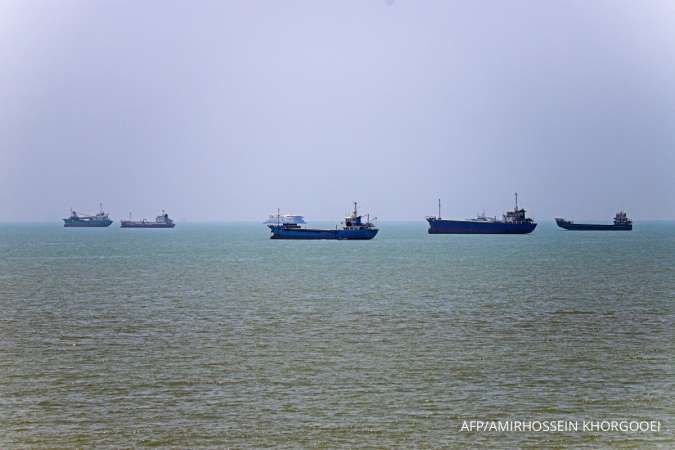
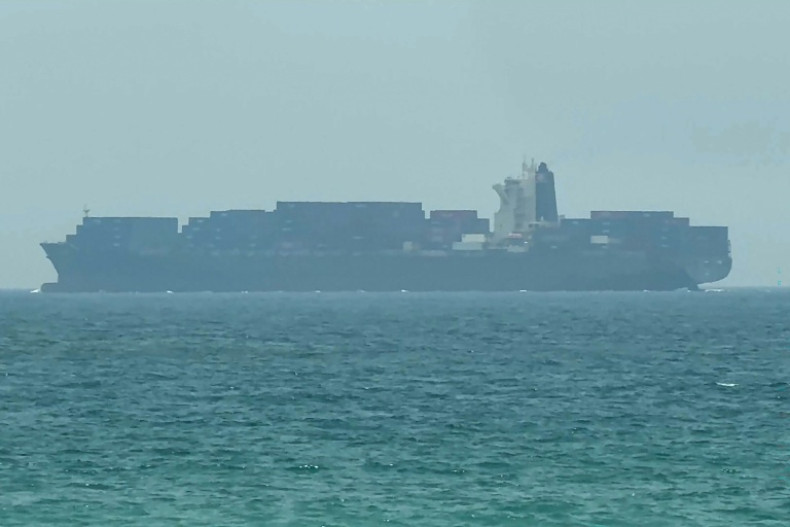
On July 6 Iran’s IRGC struck three commercial vessels off Oman including a Qatari LNG tanker. [1] The following day the US carried out retaliatory strikes on Iranian military targets. [1] Tehran responded with missile and drone attacks on military bases across the Gulf where US forces are deployed. [1] On Wednesday President Donald Trump said the ceasefire was over. [1] The IRGC shut down the Strait of Hormuz, saying the US was interfering in the waterway’s management by facilitating alternative transit routes. [1] This sequence triggered renewed tit-for-tat attacks between the US and Iran. [1]
Latest US Military Operations
The US military has completed a fourth wave of strikes on Iranian targets. [2] US Central Command stated that the operation destroyed air defense systems, radar installations, missile sites, drone locations and small boats. [2] Washington emphasized the goal of securing free navigation in the Strait of Hormuz and preventing further threats to shipping. [2] The strikes marked the fourth wave since fighting escalated again in the night to Wednesday. [2] US forces used combat aircraft, drones and unmanned surface vessels for the first time in the operation. [2] Central Command highlighted that the Strait of Hormuz remains a critical route for international trade and that Iran does not control the waterway. [2]
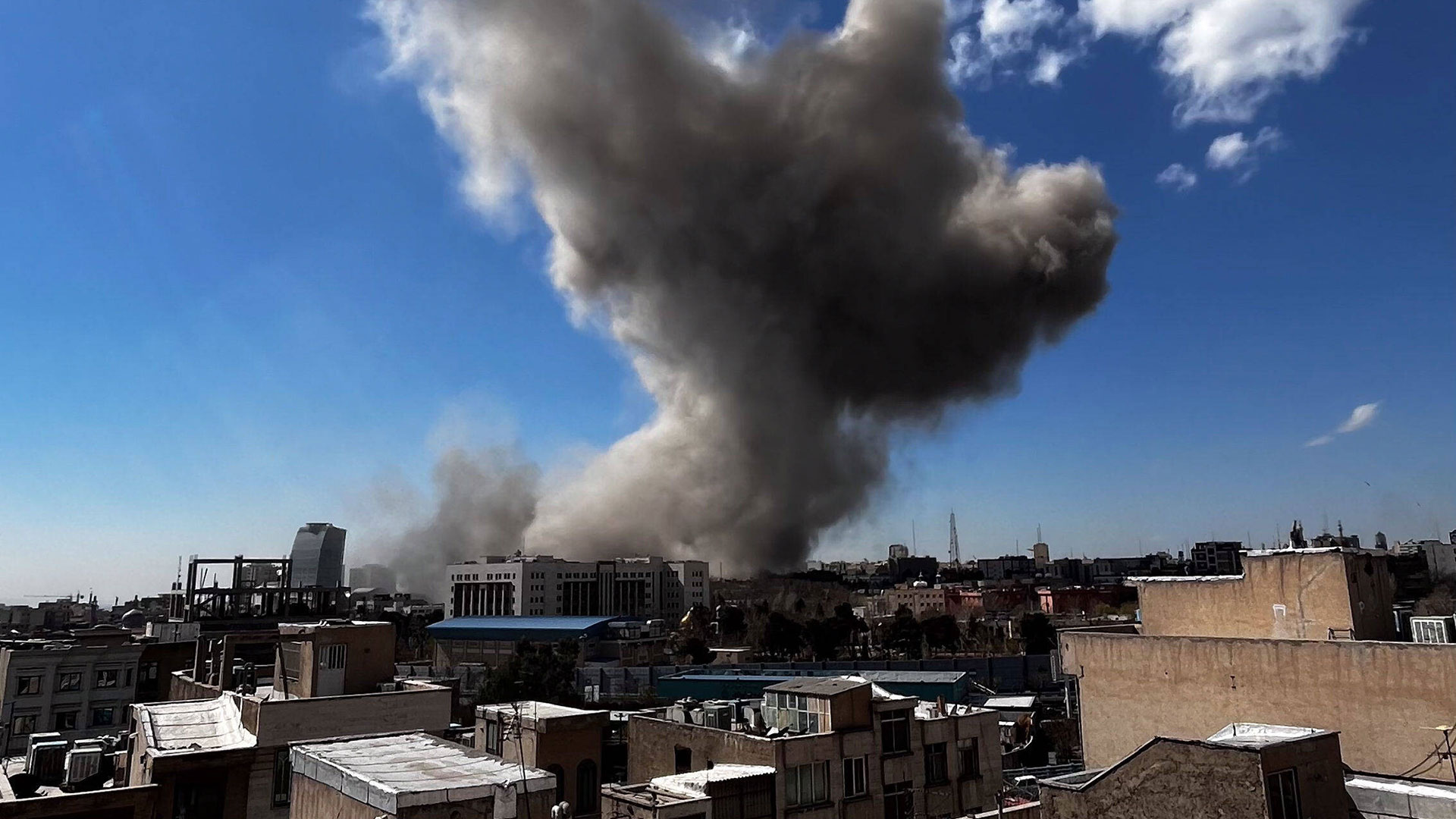
US strikes target Iranian military sites near Strait of Hormuz in fourth wave of attacks. — Source: gdelt
Iranian Retaliation and Regional Attacks
Iran has attacked military facilities in Bahrain, Kuwait, Jordan and Oman. [5] Jordan said it shot down four missiles launched by Iran, resulting in zero casualties or material damage. [5] Iran has conducted more attacks on ships in the Strait of Hormuz. [1] Air raid sirens sounded in several Gulf states including Bahrain, home to the US Fifth Fleet headquarters. [5] The latest exchange marks one of the most serious escalations since the conflict began on February 28. [5]
Differences from the March Phase of Fighting
The current phase of the Iran war differs from the intense February-March phase by limiting targets to military assets around the Strait of Hormuz. [1] Earlier fighting featured a broad sustained air campaign across Iranian cities that killed Supreme Leader Ali Khamenei on the first day. [1] In contrast the latest round of US strikes is largely concentrated around the Strait of Hormuz. [1] Iranian counterattacks have focused on military bases in the Gulf used by US soldiers. [1] The US and Iran have been more restrained, avoiding civilian or energy infrastructure for the most part. [1] Israel has not openly joined the US in the latest attacks on Iran. [1]
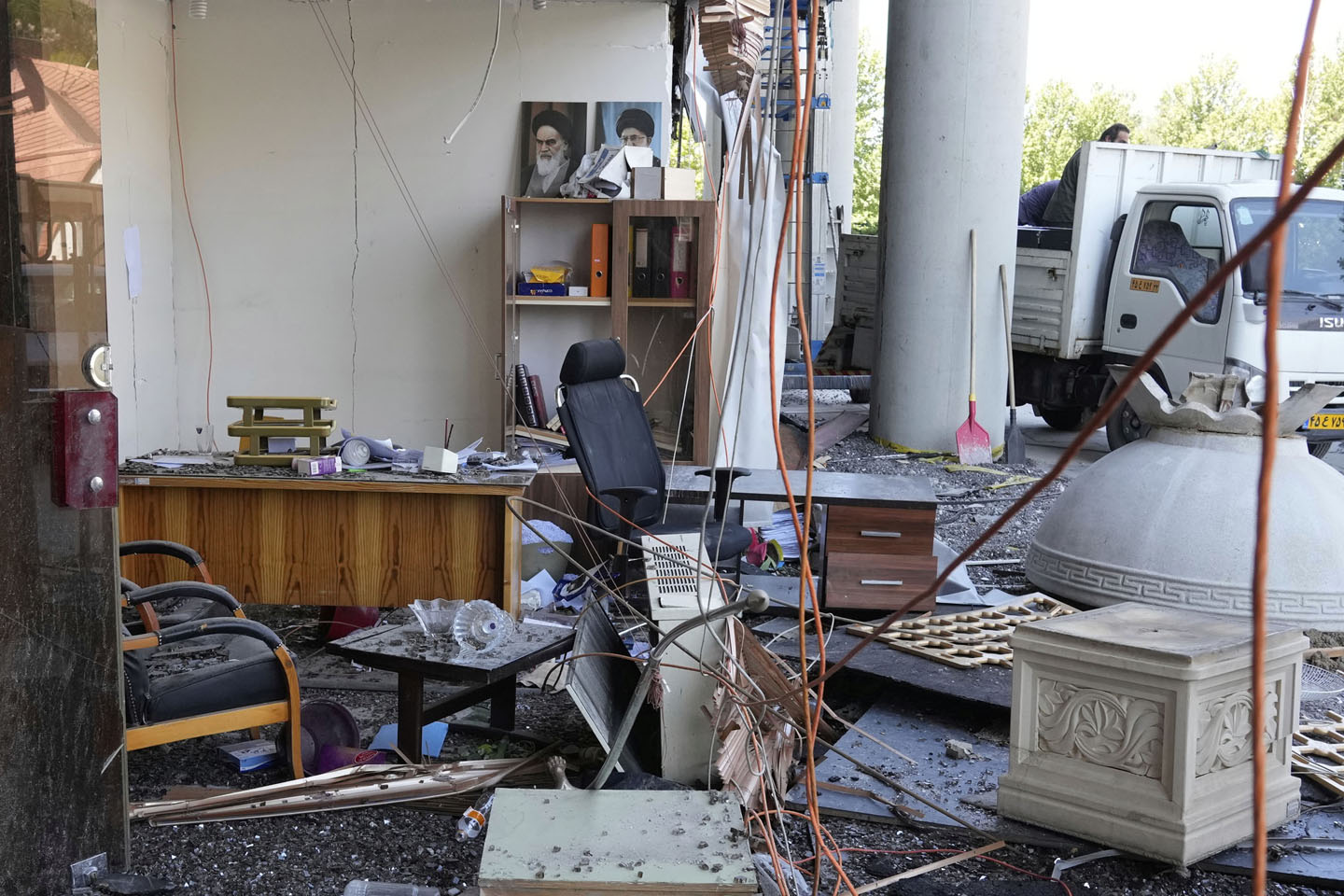
US accelerates missile production as weapon stocks deplete after strikes on Iran. — Source: gdelt
US Weapons Depletion and Production Push
US weapons stockpiles have been significantly depleted after the conflict. [3] The Pentagon warned that reserves of precision-guided missiles and Patriot systems were reduced during the fighting. [3] President Trump ordered accelerated domestic missile production under the Defense Production Act to replenish stocks. [3] Analysts noted that modern wars consume ammunition faster than industry can produce it. [3] Rebuilding reserves could take months or years depending on the type of weaponry. [3]
Economic Impact and Diplomatic Outlook
Oil prices have risen about 3 percent as the Iran war resumed. [4] Brent crude climbed above 78 dollars per barrel while WTI approached 74 dollars. [4] European LNG prices also rose about 2.7 percent. [4] UN Secretary-General António Guterres warned of catastrophic consequences from further escalation and called on Iran and the US to resume negotiations immediately. [2] Analysts observed that both countries are still not ruling out talks completely. [1] Qatar and Pakistan are working behind the scenes to contain the conflict. [1] Despite mutual accusations over the Islamabad MoU, diplomacy remains possible though difficult. [1]
What to watch next: UN calls for renewed talks continue alongside conflicting US and Iranian claims over control of the Strait of Hormuz, with both sides still holding open the possibility of further diplomacy.