
Iran War Day Nine: How Emerging Global Alliances Are Redefining the Conflict
As the US-Israel-Iran war enters its ninth day, oil prices have surged 20% due to supply fears, Iran has appointed a new supreme leader amid intense attacks, and US military deaths have reached seven. This escalation highlights Russia's and China's covert involvement, potentially turning a regional conflict into a global proxy war.
What's Happening
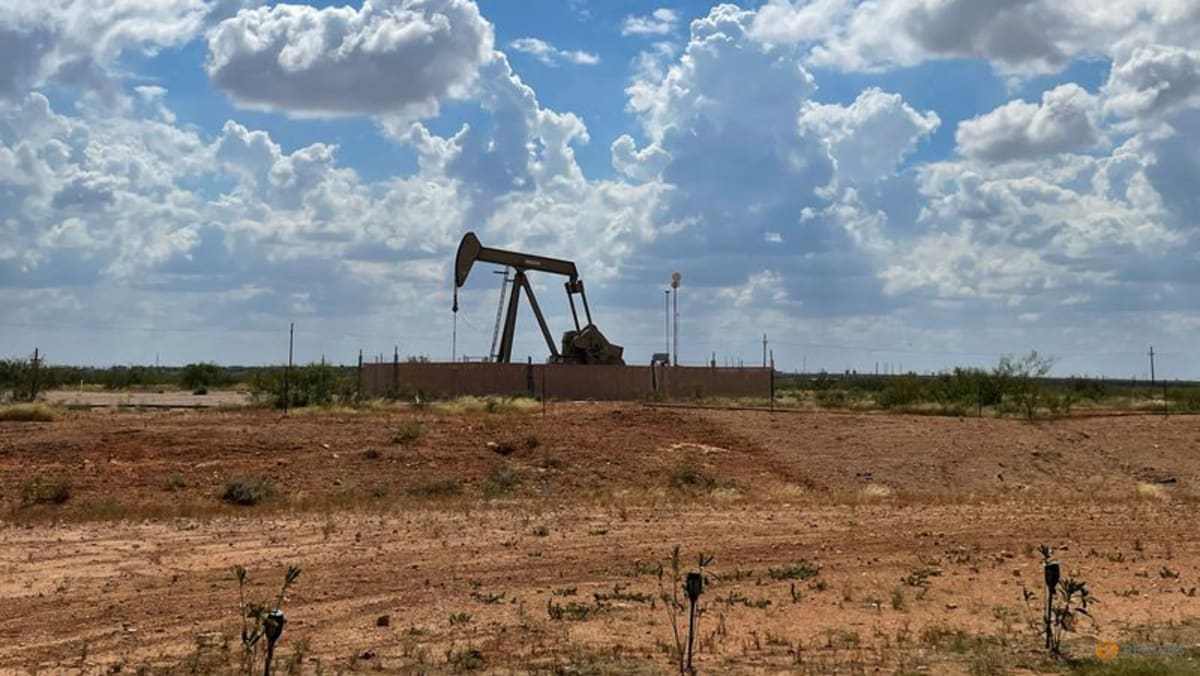
Day nine of the conflict marks a critical escalation. Israel has declared the war will be prolonged, according to reports from Clarin, while CNN details intensified US-Israeli strikes on Iranian infrastructure. A seventh US service member has been killed in operations (Newsmax), and oil prices have jumped 20% (Channel News Asia) over fears of disruptions in the Strait of Hormuz. Daily News Egypt reports ongoing Iran-Israel exchanges, with unverified claims of Russian arms shipments to Tehran and Chinese economic aid pledges. These developments signal broader geopolitical shifts, drawing non-Western powers into the fray.
Context and Background
This war stems from escalating tensions in late 2025, beginning with proxy clashes on December 31, 2025. By January 14, 2026, Iran was preparing for conflict amid warnings from US officials, including former President Trump. A US carrier strike group approached Iran on January 27, and media predicted all-out war by January 29 as Iran mobilized forces near Tehran. Tensions peaked with a US warship departure on February 26. This cycle of provocations has fostered international alliances, with Russia and China aligning against Western interests based on shared strategic goals.
Why This Matters and Looking Ahead
The involvement of non-Western powers like Russia and China could reshape global dynamics. Russia might supply advanced weapons, such as S-400 systems, to Iran, drawing parallels to its Ukraine strategy and expanding Middle East influence. China, concerned about oil security amid the 20% price surge, may provide economic aid to Tehran to protect key trade routes, potentially weakening NATO and the UN. However, this also opens diplomatic opportunities, such as China's potential mediation to de-escalate tensions. Looking ahead, direct Russian or Chinese involvement could prolong the war, disrupt global supply chains, and lead to a multipolar Middle East by mid-2026. UN talks in the next 2-4 weeks may offer a path to resolution, but solidified alliances could escalate risks.
This is a developing story and will be updated as more information becomes available. (Word count: 612)






