
Iran Tensions Escalate as Trump Threatens Power Plant Strikes Unless Talks Resume
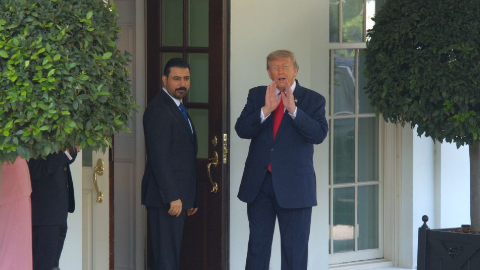
Iran tensions have intensified across the Middle East as the United States reimposed a naval blockade on all Iranian ports early Wednesday following attacks on commercial ships in the Strait of Hormuz. President Donald Trump threatened further strikes on Iranian power plants and bridges unless Tehran resumes negotiations.
US Reimposes Blockade on Iranian Ports
The U.S. military early Wednesday reimposed a blockade on Iranian ports over Tehran’s attacks on ships trying to pass through the Strait of Hormuz. The U.S. first imposed the blockade in mid-April and then lifted it in mid-June, a day after signing the interim deal that set a 60-day period for negotiations over issues like Iran’s nuclear program. [2] US President Donald Trump on Tuesday reimposed a naval blockade of all Iranian ports and threatened to hit power plants and bridges next week unless Tehran resumes negotiations. [3] The interim peace deal signed in mid-June, which had lifted a prior blockade and allowed 60 days for nuclear negotiations, has unraveled amid intensified fighting over the strait.
Increased Iranian Vessel Traffic Ahead of Blockade
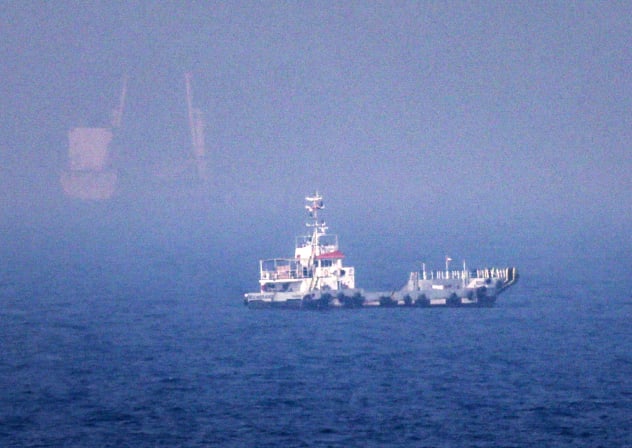
The number of vessels transiting through the Strait of Hormuz ticked up on Tuesday, with most of them linked to Iranian trade, before a US blockade took effect on Wednesday. Nine of the 11 vessels that passed through the strait on Tuesday sailed via the Iranian route, according to ship-tracking data on Kpler. [1] Of these, three empty oil tankers, one Aframax-sized vessel and two Very Large Crude Carriers, entered the strait. Vessels that exited the strait with Iranian exports included one VLCC carrying 2 million barrels of crude, a medium-range tanker with refined products, and two tankers carrying liquefied petroleum gas. [1] There were no visible entries or exits for tankers to load oil and gas from other Gulf producers on Tuesday.
Iranian Threats and Retaliatory Strikes
Iran’s paramilitary Revolutionary Guard threatened Wednesday to halt all energy exports from the Middle East over the blockade. “The export of oil and gas from the region will be either for everyone or for no one,” it said. [2] Iran claimed attacks on Bahrain, Kuwait and Jordan. Missile alert warnings went out in Bahrain and Kuwait early Wednesday morning as they faced incoming Iranian fire. Jordan also said it shot down three incoming Iranian missiles. [2] Kuwait separately said an Iranian attack wounded four members of its navy Tuesday and set a building on fire.
US Military Response and Regional Attacks
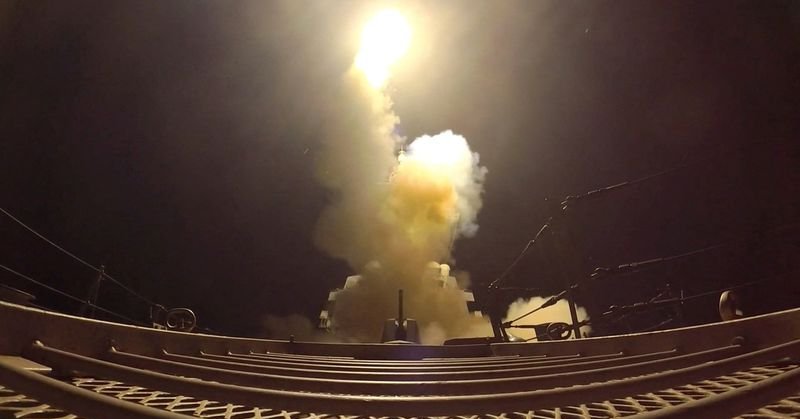
The U.S. carried out another wave of strikes as it reimposed the blockade, striking dozens of targets over seven hours, the U.S. military’s Central Command said Wednesday. [2] U.S. Navy Adm. Brad Cooper, who leads Central Command, said in a statement that Iran had launched dozens of missiles and drones at neighboring Gulf Arab countries. “U.S. forces are holding Iran accountable for unwarranted aggression that continues to endanger innocent lives,” Cooper said. [2] Central Command also said in a social media post that there are “hundreds of military aircraft operating across the Middle East.” Explosions in the southwestern city of Ahvaz and the southern port city of Bandar Abbas also were reported by Iranian state media Tuesday night. [2]
Impact on Oil Prices and Shipping Routes
Strikes between the US and Iran in the Middle East intensified this week, leading to a sharp slowdown in shipping through the Strait of Hormuz, where about a fifth of global oil and liquefied natural gas shipments passed through each day before the war began in February. [1] Attacks on Emirati supertankers have caused Middle East spot crude prices to strengthen this week, with prompt month prices now higher than those in future months, indicating tight supplies. The price for a barrel of Brent crude oil, the international standard, briefly topped $87 early Tuesday, still well below the nearly $120 reached at the height of the war. [2] “The next phase of Gulf flow recovery could be slower than the initial phase even after geopolitical de-escalation,” Goldman Sachs said in a note on Wednesday. The analysts pointed to a sharp drop in flows through Omani and international routes following the recent tanker attacks.
Status of Negotiations and Interim Deal
Under the interim deal, Iran agreed that passage through the strait would remain free of charge for 60 days — but the agreement left open what would happen after. [2] When U.S. President Donald Trump announced the return of the blockade Monday, he also said he would impose a 20% fee on ships passing through the strait. But he dropped the plan to collect fees hours before resuming the blockade, citing requests from allies in the Persian Gulf. [2] Trump said Tuesday that he was called by the region’s “kings and emirs,” who suggested an alternate arrangement to charging ships fees to pass through the strait like the president proposed a day earlier. Trump told Fox News Channel on Tuesday night that more U.S. strikes against Iran were coming over the next two days and that bridges and power plants could be targets by next week unless negotiations resume. [2] Regional mediators meanwhile are still trying to get the United States and Iran back to the negotiating table.
What to watch next: Trump warned that more U.S. strikes against Iran were coming over the next two days, with bridges and power plants potentially targeted by next week unless negotiations resume.