Iran tensions escalate as Tehran warns Israel over Lebanon strikes ahead of US peace talks
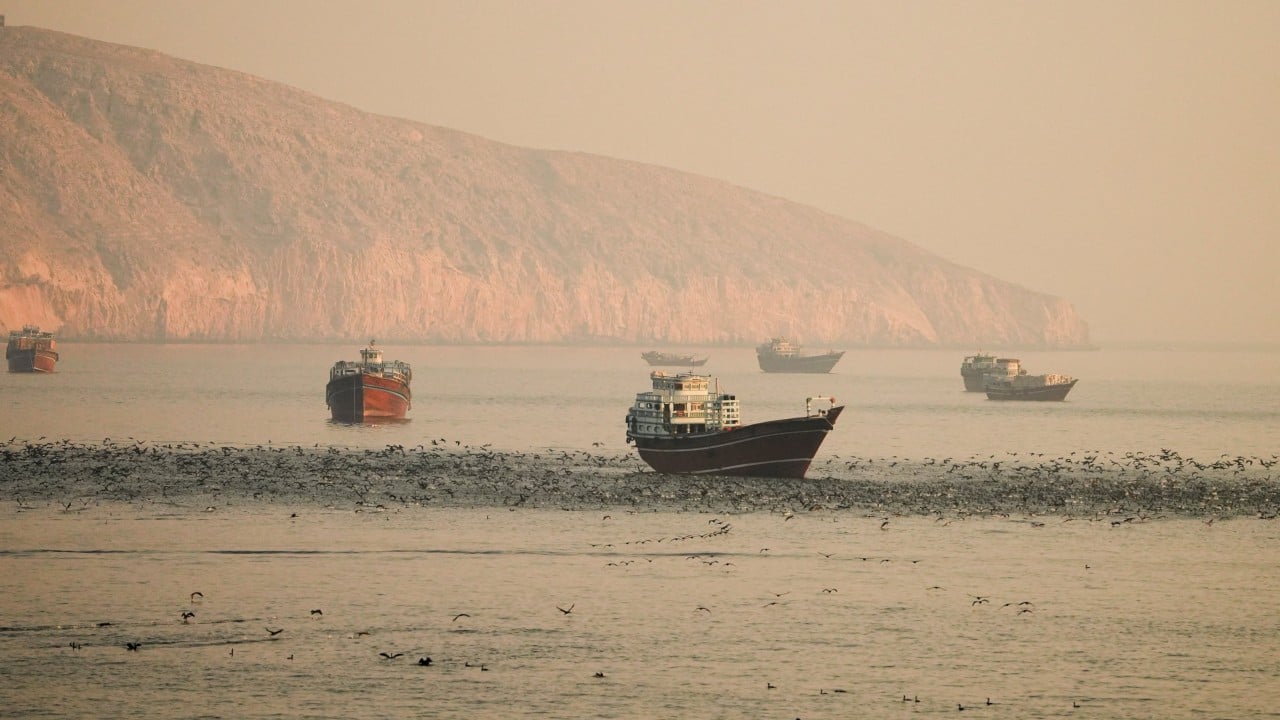
Iran tensions have risen sharply as Iran has warned Israel over its strikes in Lebanon while the United States and Iran prepare to begin talks on a peace agreement in Switzerland. [1] US Vice President JD Vance has outlined three pillars for any deal that include Iran forgoing nuclear weapons and keeping the Strait of Hormuz open. [3] Three Iranian oil tankers carrying 4.8 million barrels of crude have passed through the Strait of Hormuz, marking the country's first crude export in two months ahead of the US-Iran talks. [2]
Iran Issues Warning to Israel
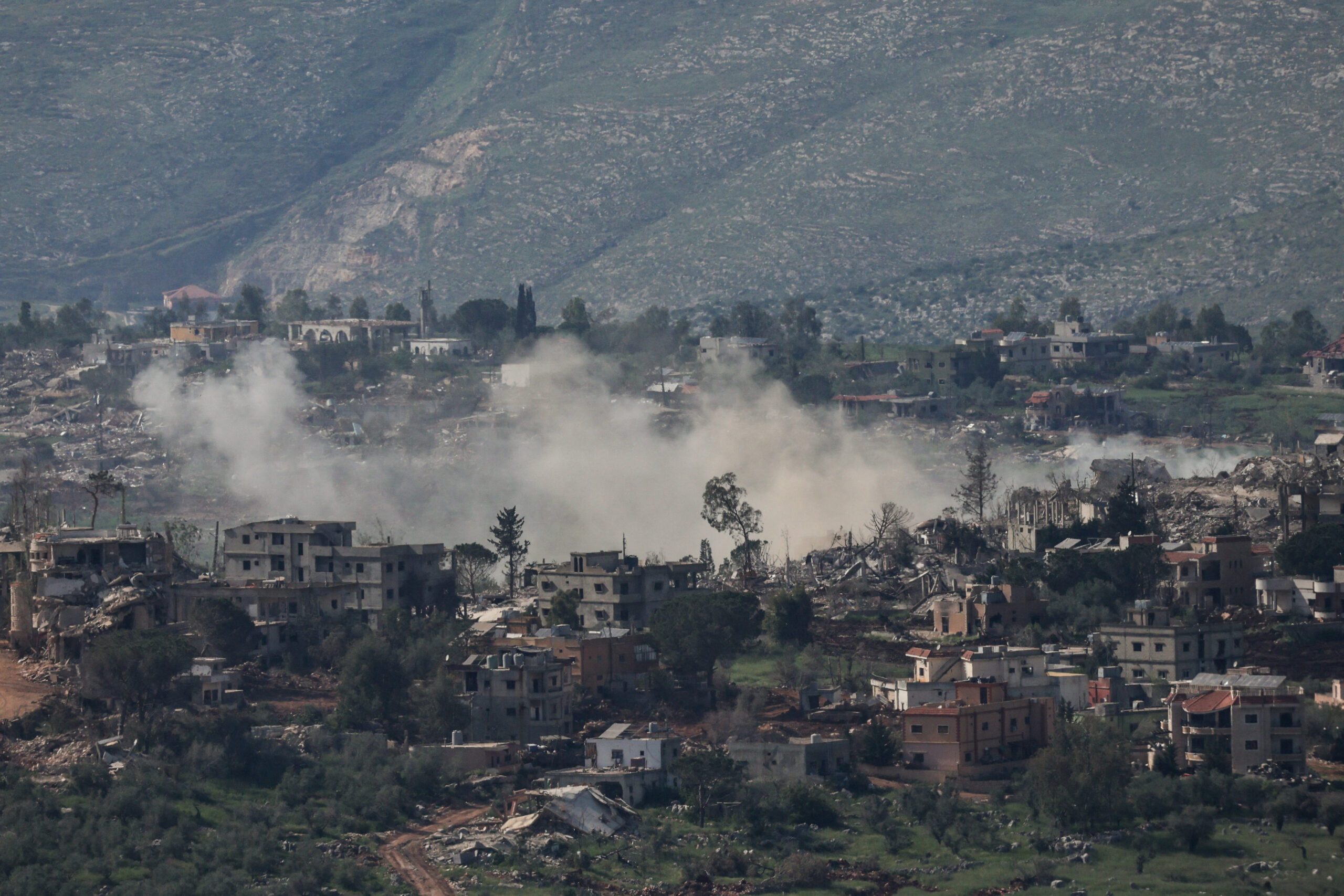
Iran has issued a direct warning to Israel concerning ongoing strikes in Lebanon amid heightened regional tensions. [1] The warning comes as part of broader Iran tensions that include diplomatic maneuvering ahead of scheduled peace discussions. [1] Israeli actions in Lebanon have drawn explicit Iranian statements of concern, according to reports detailing the immediate context of rising friction between the two sides. [1] These developments unfold even as other diplomatic channels seek to address wider instability in the region. [5]
US-Iran Peace Talks Set for Switzerland
The United States and Iran are set to begin talks on a peace agreement in Switzerland, with the discussions scheduled to start two days after three Iranian oil tankers passed through the Strait of Hormuz. [2] This timing coincides with Iran’s first crude export in two months, involving three tankers that carried a total of 4.8 million barrels of crude oil past a U.S. blockade. [2] The upcoming negotiations in Switzerland represent a significant diplomatic step following months without such Iranian crude shipments. [2] Iran tensions form the backdrop for these preparations, as both nations move closer to formal discussions on Friday. [3]
Vance Details Three Pillars of Proposed Deal
JD Vance has outlined a three-point framework centered on a proposed peace agreement between Washington and Tehran. [3] The vice president stressed that Iran must forgo nuclear weapons, keep the Strait of Hormuz open, and meet strict conditions before receiving any economic benefits. [3] Vance stated in an interview that the agreement is actually very simple, listing the requirements as no nuclear weapon for Iran, open access through the Straits of Hormuz, and benefits only if the Iranians behave. [3] Any economic relief for Tehran would depend on significant changes in its conduct, including ending support for militant groups and abandoning efforts to rebuild its nuclear programme. [3] Vance added that if they stop developing terrorism, stop funding terrorism, and stop supporting the rebuilding of the nuclear arms program, they can get real benefits, but otherwise they get nothing. [3] Iranian officials have been accused by Vance of attempting to misrepresent the proposed deal by leaving out the behavioral conditions. [3] The United States wins either way, according to Vance, whether Iran receives nothing and faces destruction of its nuclear program with open straits or fundamentally transforms itself. [3] Iran would enter a probationary phase judged on actions rather than commitments under the framework. [3]
Trump Promotes Accord as Historic
President Trump has promoted the proposed accord as a Great Deal that will bring peace and security to the region. [3] Trump noted that many presidents have tried to make peace with Iran and all have failed before him, adding that the leaders of the region have for the first time found a president who can help them achieve real peace. [3] These remarks position the emerging agreement as a departure from previous unsuccessful efforts. [3]
Israeli Position in Lebanon
The Israeli army has signaled it is ready to remain in Lebanon for a long period if instructed by the political leadership, despite the emerging US-Iran agreement. [5] This indication of a potentially extended presence comes amid ongoing diplomatic developments between the United States and Iran. [5] Security sources cited in reports confirm the army’s preparedness for a prolonged stay in Lebanon if directed. [5]
International Reactions and Mediation
G7 leaders welcomed the emerging agreement between the United States and Iran during their summit in France. [3] Pakistan’s civilian and military leadership has been credited with mediation efforts aimed at securing regional stability and peace among Muslim countries. [4] These efforts helped avert a major war through consultation with key stakeholders, with Field Marshal Asim Munir’s role highlighted for contributing to what was described as a war won without actually being fought. [4] The diplomatic process emphasized utmost confidentiality and positioned Pakistan as a responsible mediator that would not discuss substance to avoid speculation. [4] Muslim-majority countries, particularly Saudi Arabia, were also credited with showing leadership, restraint, and strategic patience in helping avert wider conflict. [4]
What to watch next: Further developments in the Switzerland talks will determine whether Iran meets the outlined conditions for economic benefits, while monitoring continues on Israeli actions in Lebanon and any additional mediation updates from involved parties.