
Iran tensions ease as US and Tehran sign 60-day ceasefire extension
Iran tensions have eased following the signing of a memorandum of understanding between the United States and Iran that extends an existing ceasefire by 60 days. [1] The interim agreement permits Iran to resume oil sales immediately while negotiations proceed toward a permanent truce that would include reopening the Strait of Hormuz. [1]
US-Iran Ceasefire Extension
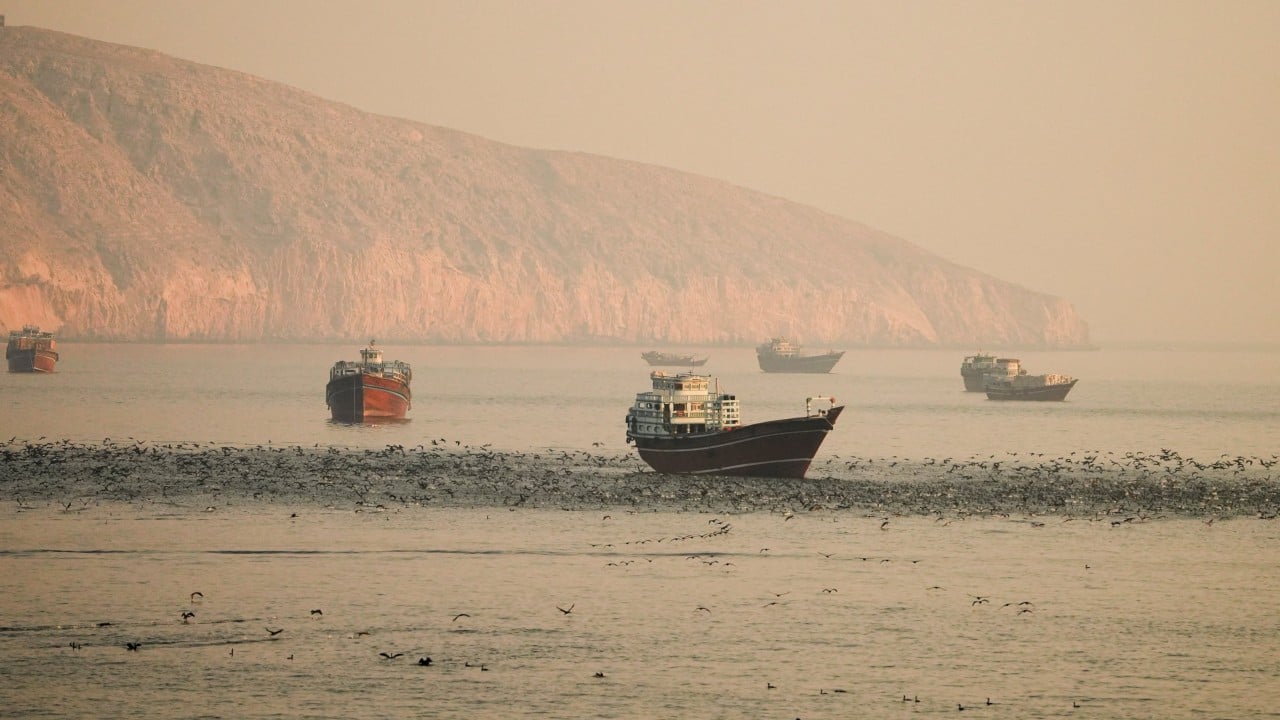
The memorandum of understanding signed this week extends the tenuous ceasefire announced in April by another 60 days. [1] Under the deal the United States will end its blockade of Iran’s ports while Iran restores passage for oil tankers and other maritime traffic through the Strait of Hormuz, which it has effectively blocked since strikes began on February 28. [1] A senior US official said the agreement allows Iran to begin selling oil and fuel right away and includes banking, transportation, and insurance services to facilitate those sales. [1] Both sides have indicated the Strait of Hormuz will be open from Friday, although shipping companies plan to wait and see whether peace holds before fully resuming transit. [1] Iranian state television reported operations to lift the maritime blockade on Tuesday while stressing that vessels must still coordinate with Iran’s Revolutionary Guards. [1]
Nuclear and Regional Issues
The United States president said the agreement states clearly that Tehran will not have a nuclear weapon and that the full text would be made public in a formal setting within days. [1] In the coming 60 days negotiators will return to difficult issues such as the future of Iran’s nuclear program, which Tehran was discussing with Trump officials until those negotiations were interrupted by the war. [1] Two other issues that had been used to justify the war do not appear on the agenda: ending Iran’s support for regional armed militia groups and curbing its missile program. [1] Iran signed an agreement to sharply curtail its uranium enrichment efforts in 2015 with the United States and other countries, but that agreement fell apart after the United States unilaterally withdrew during the president’s first term. [1] That withdrawal led to Iran creating a stockpile of highly enriched uranium that the president says he wants removed or destroyed. [1]
Reactions from Israel and Hezbollah
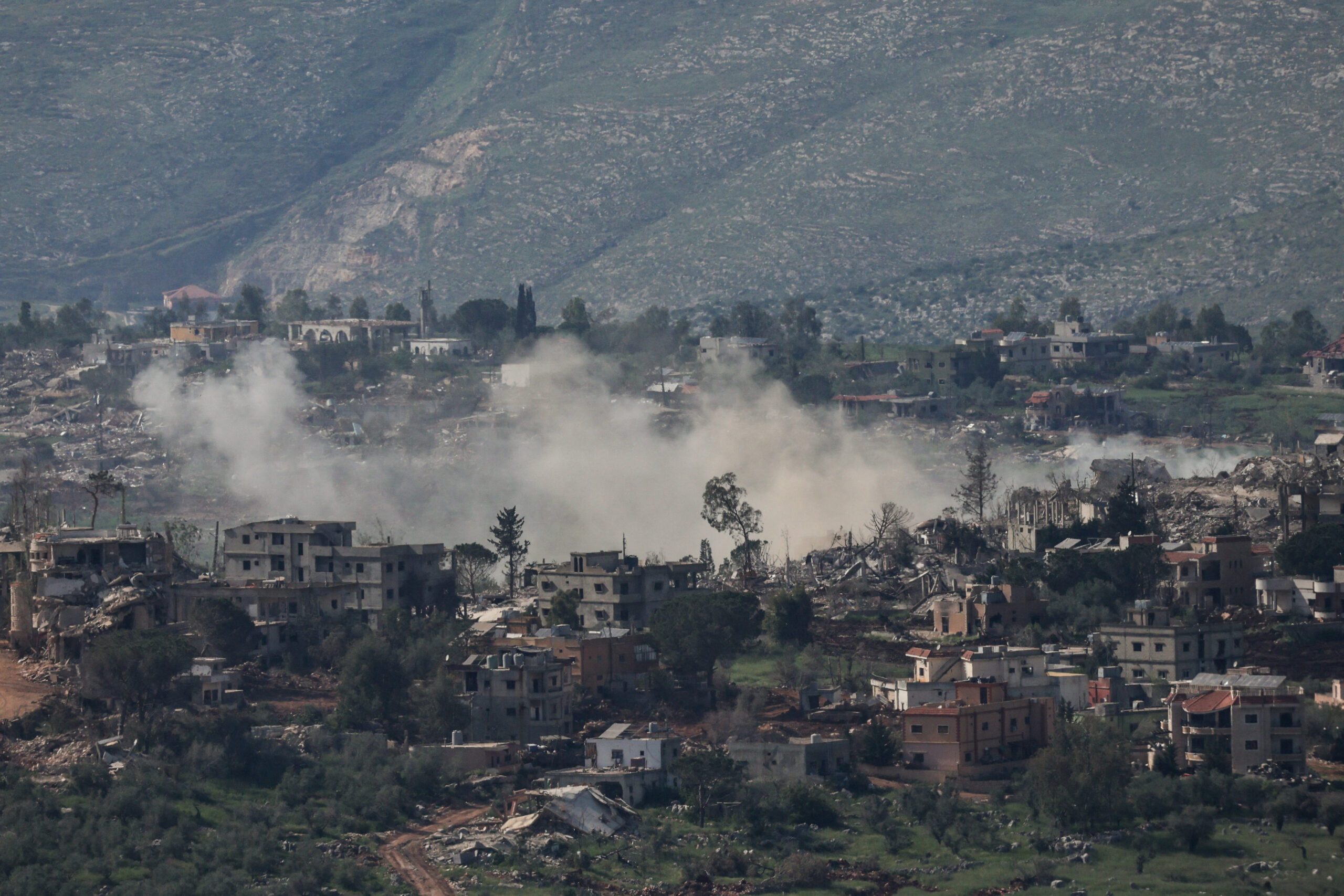
Israel has not directly participated in the negotiations and has distanced itself from both the April ceasefire and the latest US-Iran agreement. [1] The war has killed more than 7,000 people, mostly in Iran and Lebanon, which Israel invaded in March after Iran-allied Hezbollah joined the fighting. [1] US Vice President JD Vance said the agreement included Israel and Lebanon, contradicting Israeli Prime Minister Benjamin Netanyahu, who said on Monday that Israel is not bound by it and will not withdraw from southern Lebanon. [1] A Hezbollah spokesperson told Reuters the group believed Iran would not agree to a permanent truce if the Israeli occupation was not ended. [1] Iran’s military command warned that Israel should expect a hard response if it did not stop its attacks on southern Lebanon. [1]
International Maritime and Diplomatic Concerns
European officials are wary of committing naval ships that could be placed in danger because the United States president wants to open the Strait of Hormuz as quickly as possible. [5] Discussions between the United States and its allies over clearing Iranian mines from the waterway have become complicated because of confusion about how the work would be done. [5] The strict timeline set for the end of the week is causing some allies to waver, as specialized demining vessels tend to be slow and without defensive weaponry. [5] South Korea is likely to come under renewed pressure to take part in international maritime initiatives aimed at safeguarding freedom of navigation through the strait. [2] Australia has lowered its Middle East travel warnings after the US-Iran agreement. [3]
What to watch next
Negotiators will address Iran’s nuclear program over the next 60 days while shipping traffic through the Strait of Hormuz is expected to ramp up gradually, potentially taking as long as two weeks to increase significantly. [1]