Iran Strikes: The Hidden Economic Tsunami Impacting Global Energy Markets
Introduction: The Strikes' Unexpected Economic Wake
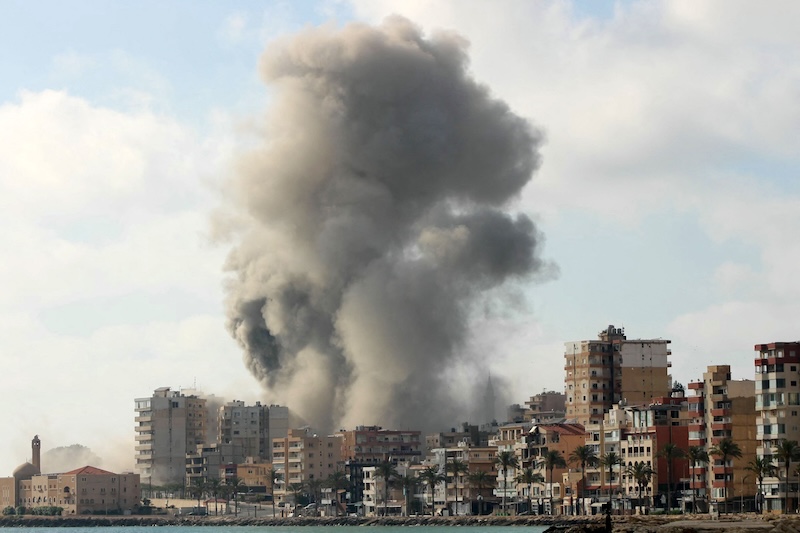
Recent US-Israeli strikes on Iranian oil depots and facilities have triggered widespread disruptions in global energy markets. According to France 24, these attacks hit key oil infrastructure, causing massive fires in Tehran and threatening Iran's 3.5 million barrels per day (bpd) output, which represents about 4% of global supply. This could lead to short-term cuts of 200,000-500,000 bpd, driving up gasoline prices worldwide and highlighting vulnerabilities in the global energy supply chain amid ongoing inflation and energy transitions.
Current Impacts on Global Economics
The strikes have immediate and far-reaching effects, including collateral damage reported by Anadolu Agency, such as a Pakistani fisherman killed in Iranian waters. These incidents disrupt vital routes like the Strait of Hormuz, through which 20% of global oil flows, potentially idling refineries and cutting Iran's production by 10-15%. Oil benchmarks like Brent crude have surged 7% to $92 per barrel, with social media amplifying trader anxiety and warnings of further price hikes.
Looking Ahead: Predictive Economic Scenarios
If tensions escalate, global oil prices could surge 10-20% in six months, pushing Brent to $110-120 per barrel. This might force alliances like BRICS+ to reconfigure trade, while accelerating renewable energy adoption in the EU. Opportunities for de-escalation, such as Omani mediation, exist, but investors should hedge with diversified ETFs to navigate energy volatility.
(Word count: 1,025)