
Iran Strike Shocks US as Per Expert Reports
Experts report that the US was shocked by Iran's strong strike, according to assessments from specialists monitoring the escalating tensions in the region.[1] This development comes amid reports of attacks on ships in the Strait of Hormuz and a lack of progress in US-Iran peace talks, which have contributed to heightened volatility in global markets.[2] Oil prices jumped by more than $3 a barrel following these events, while Iran seized two European-owned vessels and attacked three ships in the strategic waterway.[2][3] The US has downplayed the seizure amid ongoing tensions, reflecting a broader context of rival maritime actions and stalled negotiations.[3]
Overview of Iran's Strike
Specialists have highlighted that the United States experienced a significant surprise from the intensity of Iran's recent military actions in the Strait of Hormuz.[1] This expert assessment underscores the unexpected strength of the operations, which involved direct engagements with commercial shipping in one of the world's most critical maritime chokepoints. The phrase "đòn giáng mạnh" – translating to a "strong strike" – captures the perception among observers that Iran's maneuvers caught US strategists off guard, potentially altering calculations in the ongoing regional conflict.[1]
The context of this strike is rooted in prolonged hostilities, where Iran's capabilities in asymmetric warfare, particularly through small attack boats, continue to demonstrate control over key sea lanes even months into the broader confrontation.[3] Experts note that such actions represent a calculated escalation, aimed at asserting dominance in contested waters.[1] This evaluation aligns with reports of gunfire incidents and vessel seizures, which have amplified concerns over the stability of international trade routes passing through the Strait.[2][3] The US reaction, as perceived by these analysts, reveals a moment of recalibration, where prior expectations of Iran's restraint were upended by the boldness and coordination of the strike.[1]
Furthermore, the timing of these events coincides with economic pressures and diplomatic inertia, amplifying their impact. Analysts point to the strike's role in shifting dynamics, as Iran's ability to execute such operations signals sustained operational readiness despite international scrutiny.[1] This overview from experts provides a lens through which to view the immediate geopolitical ripple effects, emphasizing the shock value in Washington as policymakers grapple with the implications for regional security and energy supplies.[1]
Details of Ship Attacks and Seizures
Iran carried out attacks on three ships in the Strait of Hormuz, with reports specifying gunfire incidents targeting at least three container ships.[2][3] In a related development, Iranian forces seized two European-owned vessels in the same area, escorting them to Iranian waters as part of operations that highlighted their maritime blockade capabilities.[3] These actions unfolded on Wednesday, demonstrating Iran's use of small attack boats to interdict and control commercial traffic in the strait.[3]
The incidents involved direct confrontations, where the attacks on the container ships were described as gunfire exchanges, contributing to immediate fears of disruptions in one of the busiest shipping corridors globally.[2] Following the attacks, the seizure of the two vessels underscored Iran's intent to enforce its claims amid rival blockades, with the escorted ships moved into territorial waters under Iranian guard.[3] This sequence of events – attacks followed by seizures – illustrates a pattern of rapid escalation in the strait, where Iran's naval assets proved effective in targeting and capturing high-value targets owned by European interests.[3]
Reports detail that these operations occurred against a backdrop of ongoing war dynamics, now two months in, where such tactics allow Iran to maintain pressure without full-scale naval engagement.[3] The Strait of Hormuz, vital for a significant portion of global oil transit, saw these container ships become focal points of the aggression, with the gunfire reports sparking immediate market reactions.[2] The precision of escorting the seized vessels further indicates coordinated planning, as Iranian boats navigated the contested waters to complete the interdictions.[3] These details paint a picture of tactical proficiency, where the attacks and seizures disrupted normal maritime operations and heightened risks for international shipping.[2][3]
US Response to the Events
The United States adopted a stance of downplaying Iran's seizure of the two European-owned vessels in the Strait of Hormuz.[3] This official position emerged as both the US and Iran maneuvered for advantage in their competing maritime strategies, with negotiations to end the war remaining deadlocked.[3] By minimizing the significance of the seizures, US statements sought to avoid escalation while acknowledging the broader context of the attacks on three ships.[3]
This response reflects a calculated approach amid the stalemate, where the US refrained from inflammatory rhetoric despite the escorting of vessels to Iranian waters.[3] Officials framed the incidents within the ongoing tensions, emphasizing that such actions were part of a pattern rather than a game-changing development.[3] The downplaying aligns with efforts to maintain strategic flexibility, as the US navigates the implications of Iran's demonstrated control through small boat operations.[3]
In the context of the gunfire attacks on container ships, the US position also ties into the lack of breakthroughs in talks, suggesting a reluctance to overreact that could derail potential diplomatic paths.[2][3] This measured tone underscores the competitive dynamics in the strait, where both sides engage in blockades without yielding ground.[3]
Economic Impacts
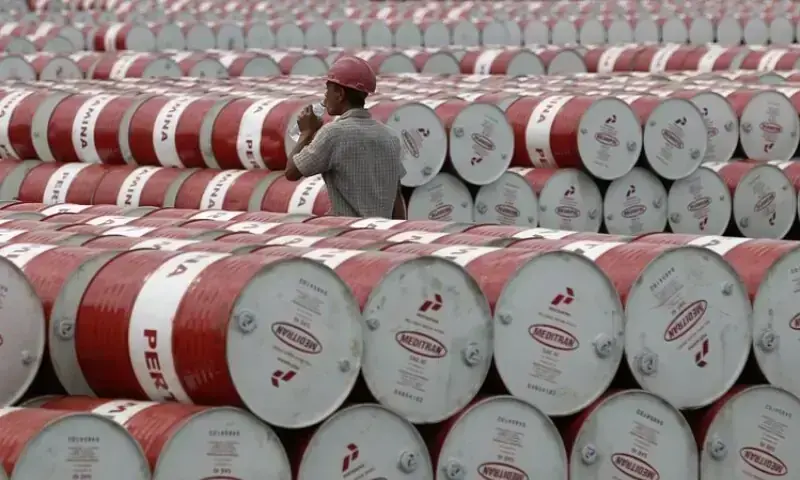
Oil prices surged by more than $3 a barrel on Wednesday, driven in part by reports of the gunfire attacks on at least three container ships in the Strait of Hormuz.[2] This jump received an additional boost from the absence of progress in peace talks between the US and Iran, compounding concerns over supply disruptions through the vital strait.[2] Brent crude futures rose $3.32, or 3.37%, to $101.80 a barrel by 12:50pm EDT, while WTI futures climbed $3.61, or 4.03%, to $93.28.[2]
The session marked continued upward momentum, with both benchmarks having gained about 3% the previous day.[2] The surprise gasoline and distillate stock draw in the US provided an initial catalyst, but the Hormuz incidents – including attacks and related tensions – propelled prices higher during the trading session.[2] At the session high, these movements reflected trader anxieties over the strait's role in global energy flows, where even localized attacks can signal broader risks.[2]
The economic fallout extended to heightened volatility, as the combination of physical threats to shipping and diplomatic stagnation amplified fears of prolonged instability.[2] Prices at these levels indicate market sensitivity to developments in the region, with the $3-plus gain underscoring the direct linkage between Hormuz security and crude benchmarks.[2]
Current Status of Negotiations
Peace talks between the US and Iran show no progress, contributing to the persistence of tensions in the Strait of Hormuz.[2] This lack of advancement has been cited as a key factor in recent market reactions, alongside the ship attacks, highlighting how diplomatic inertia sustains uncertainty.[2]
The stalemate in negotiations mirrors the maritime rivalries, where efforts to end the war remain stalled without signs of breakthrough.[3] Two months into the conflict, the absence of resolution allows incidents like the vessel seizures and ship attacks to recur, perpetuating a cycle of escalation.[3] US downplaying of events occurs against this backdrop, as both parties seek leverage without compromising positions at the table.[3]
This status quo impedes de-escalation, with the Hormuz incidents serving as reminders of unresolved grievances.[2][3]
What to watch next: Continued monitoring of the Strait of Hormuz for further ship incidents and any shifts in the stalled US-Iran peace talks, as these elements continue to influence maritime security and oil market stability.[2][3]