
Iran Issues Stark Warning Amid Rising Tensions with the United States
In a significant escalation of rhetoric, Iranian President Masoud Pezeshkian has warned of a "harsh response" to any potential attacks from the United States, heightening tensions in an already volatile region. This statement comes amid ongoing clashes within Iran that have resulted in fatalities, underscoring the complex challenges the Iranian government is currently facing.
Rising Military Tensions
The warning from President Pezeshkian, issued on December 30, 2025, signals a precarious situation as regional tensions continue to mount. The Iranian leadership has repeatedly accused the U.S. of aggression and interference in its domestic affairs. This latest declaration suggests that Iran is prepared to respond decisively to any perceived threat, further complicating the geopolitical landscape in the Middle East.
"Any act of aggression towards Iran will be met with a forceful and unwavering response," Pezeshkian stated, reflecting the government's stance amidst escalating military exercises and strategic posturing in the region by U.S. forces. This statement is not only a warning to external actors but also serves to rally domestic support amidst ongoing unrest in the country.
Internal Unrest and Clashes
Simultaneously, Iran is grappling with internal strife, as evidenced by recent clashes that have resulted in multiple fatalities. According to reports from Yle News, these violent confrontations highlight the deepening societal rifts and unrest, which have been exacerbated by economic challenges and political dissent. The Iranian government faces significant opposition from various factions, leading to a cycle of violence that threatens to destabilize the nation further.
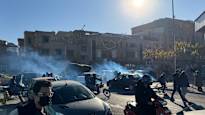
Eyewitness accounts describe scenes of chaos as security forces clashed with protestors in several cities, reflecting widespread dissatisfaction with the government. The toll from the recent confrontations signifies the severity of the situation, as families mourn the loss of loved ones amidst a backdrop of political turmoil.
Background Context
Iran's relationship with the United States has been fraught with tensions since the 1979 Iranian Revolution, which established the current Islamic Republic. Sanctions imposed by the U.S. and its allies have severely impacted Iran's economy, leading to public discontent and periodic protests against the government. The recent rise in anti-government sentiment is indicative of broader frustrations that have been simmering for months.
The geopolitical landscape is further complicated by the ongoing conflicts in the region, including the protracted Israel-Gaza conflict and tensions with neighboring countries. Iran's strategic alliances with groups like Hezbollah and its involvement in conflicts across the Middle East have drawn the ire of the U.S. and its allies, leading to a cycle of confrontation and retaliation.
Conclusion
As Iran navigates through these turbulent waters, the potential for a broader conflict looms large. President Pezeshkian's recent warnings signal a willingness to confront perceived threats head-on, while the internal unrest highlights the fragility of the regime's stability. The international community watches closely as these developments unfold, given the implications they hold for regional security and global relations. The situation remains fluid, with the potential for both heightened conflict and opportunities for dialogue in the months ahead.






