
Iran Faces Escalating Civil Unrest: Protests Against Leadership Turn Violent Amid Economic Crisis
TEHRAN — Protests have erupted across Iran since early January 2026, with demonstrators clashing with security forces in major cities including Tehran, chanting against Supreme Leader Ayatollah Ali Khamenei. The unrest, triggered by soaring living costs and economic hardship, has led to a rising death toll, the deployment of tear gas by authorities, and an unusual show of support from the Iranian Foreign Ministry for the ongoing demonstrations.
The protests began intensifying on January 1, 2026, as crowds gathered in Tehran and other urban centers, voicing direct opposition to Khamenei's leadership. By January 2, the Iranian Foreign Ministry publicly expressed support for these protests, a rare political endorsement that signals internal divisions or a strategic pivot amid the crisis. Security forces have responded forcefully, with clashes reported in multiple locations.
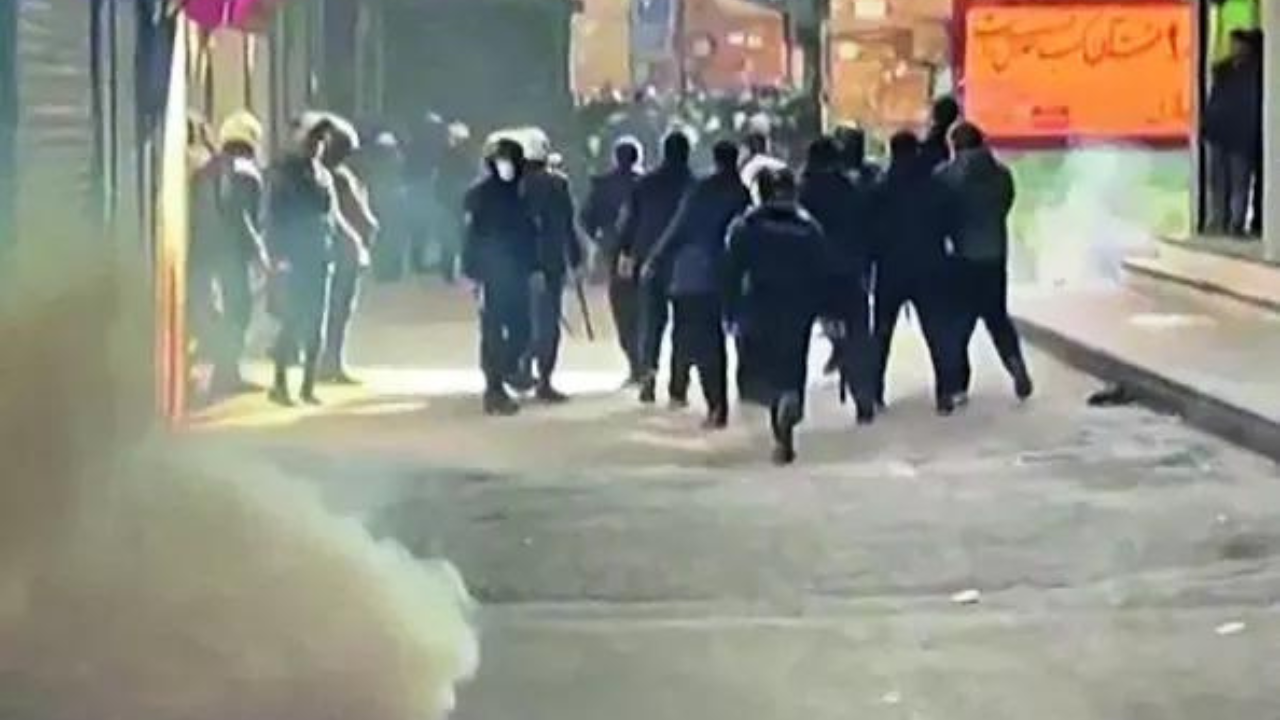
On January 6, the situation escalated dramatically in Tehran's historic Grand Bazaar, a traditional hub of commerce and dissent. Iranian security forces deployed tear gas to disperse protesters gathered there, as demonstrations sparked by the rising cost of living entered their sixth day. Human rights groups monitoring the events have reported at least 27 protester deaths since the unrest began, including five individuals under the age of 18. Iranian authorities have countered that members of the security forces have also been killed during the confrontations, though specific figures from the government remain unconfirmed.
The violence underscores the depth of public frustration in Iran, where an economic crisis exacerbated by international sanctions, high inflation, and currency devaluation has eroded living standards for millions. Protesters have focused their anger on systemic failures, including food and fuel price hikes, which have made basic necessities unaffordable for many households.
Government Response: Concessions and Crackdowns
In a bid to quell the unrest, the Iranian government announced monthly cash payments to citizens on January 6, framing the measure as relief amid the economic downturn and protests. This initiative, detailed in reports from Times of India, aims to provide direct financial support to offset the impact of inflation and subsidy cuts. However, critics view it as a short-term palliative rather than a structural fix, especially as protests continue unabated.
The dual approach—financial incentives alongside security measures—highlights the regime's balancing act. While the Foreign Ministry's endorsement of the protests on January 2 suggests an attempt to co-opt or legitimize the movement, on-the-ground actions by security forces indicate a hardening stance. France 24 reported that tear gas deployment in the Tehran bazaar came as demonstrators refused to disperse, with videos circulating online showing thick clouds of gas and fleeing crowds.
Historical Context of Iranian Protests
Iran has a long history of civil unrest tied to economic grievances and demands for political reform. The current demonstrations echo the 2022 nationwide protests following the death of Mahsa Amini in custody, which drew millions into the streets over issues of women's rights, corruption, and authoritarian rule. Those events resulted in hundreds of deaths and thousands of arrests, according to Amnesty International and other watchdogs.
More recently, subsidy reforms in late 2024 and early 2025—intended to reduce fiscal deficits—triggered fuel and bread price surges, planting seeds for the January 2026 flare-up. U.S.-led sanctions, reimposed after the U.S. withdrawal from the 2015 nuclear deal (JCPOA), have crippled oil exports, Iran's economic lifeline, leading to a rial depreciation of over 50% in the past year. The International Monetary Fund estimates Iran's inflation at around 35-40% annually, with youth unemployment exceeding 25%.
Previous protest waves, such as the 2019 "Bloody November" fuel riots and the 2017-2018 bazaar strikes, similarly blended economic pain with anti-regime slogans. In each case, initial economic triggers evolved into broader challenges to the Islamic Republic's theocratic governance under Khamenei, who has held ultimate power since 1989.
Casualties and International Scrutiny
The reported death toll of 27, as cited by human rights organizations, marks a sharp escalation from earlier in the week. These figures contrast with official Iranian statements acknowledging losses on both sides but downplaying the scale. Independent verification remains challenging due to restricted media access and internet blackouts imposed during peak protest hours, a tactic used in prior unrest.
Internationally, the events have drawn muted responses so far. Western governments have called for restraint and dialogue, while regional powers like Saudi Arabia and Israel monitor closely amid Iran's proxy conflicts in Gaza, Lebanon, and Yemen. The timing coincides with stalled nuclear talks, potentially complicating diplomacy.
Outlook: Simmering Tensions Persist
As protests enter their second week, the Iranian government's cash handouts may provide temporary relief, but underlying issues—sanctions, mismanagement, and suppressed dissent—persist. The Foreign Ministry's support could indicate factional maneuvering within the establishment, possibly to undermine hardliners or redirect anger. However, continued clashes risk further radicalization, especially among Iran's youth, who comprise over 60% of the population under 30.
Analysts note that while the regime has weathered larger uprisings, sustained economic pressure and social media amplification could prolong the standoff. For now, Tehran remains a flashpoint, with bazaar merchants shuttering stalls in solidarity and security presence heightened across the capital.
(Word count: 712)






