
Intensified Conflict in Syria: U.S. Forces Target ISIS Amid Local Tensions
As the conflict landscape in Syria continues to evolve, recent operations conducted by U.S. and allied forces have resulted in the death or capture of 25 ISIS operatives. This action, which took place on December 31, 2025, underscores the persistent threat posed by the extremist group in the region, even as local tensions rise over new construction activities in Raqqa.
The U.S. military's efforts to dismantle remaining ISIS elements in Syria highlight the ongoing struggle against terrorism in a country that has been ravaged by civil war for over a decade. The recent operations are part of a broader coalition effort to eradicate ISIS remnants that have continued to pose a threat to stability in the region, particularly in areas previously liberated from ISIS control.
Operations Against ISIS
The U.S. and partner forces’ latest operations were aimed at targeting key ISIS operatives who have been involved in planning and executing attacks against local populations and security forces. The deaths and captures of these operatives are seen as significant steps towards reducing ISIS's operational capabilities in northeastern Syria, particularly as the U.S. military continues its commitment to supporting local forces in the fight against extremism.
Local Concerns in Raqqa
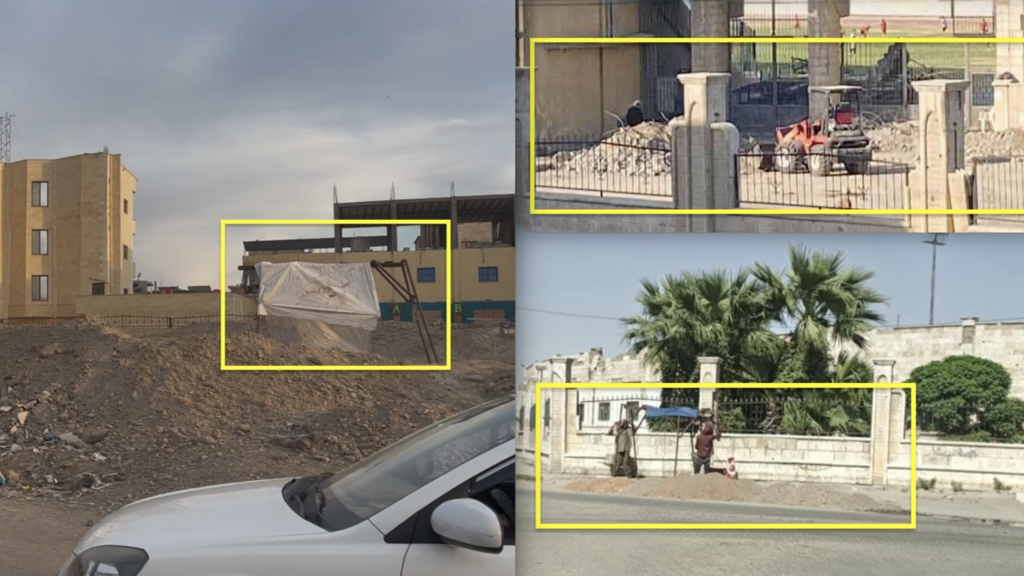
While U.S. operations focus on eradicating ISIS remnants, local residents in Raqqa are voicing their concerns over new developments in their city. Reports of new tunnel constructions in residential neighborhoods have sparked fears of renewed conflict. As the March 10 agreement between the Syrian government and the Syrian Democratic Forces approaches its conclusion, residents worry that these tunnels could be utilized for military purposes, potentially escalating violence in an already volatile area.
Residents have expressed apprehension regarding the militarization of their neighborhoods, fearing that the emergence of new underground facilities could lead to renewed conflict or an increase in the presence of armed groups. This situation complicates the already fragile security environment in Raqqa, which has been a focal point for both U.S. operations against ISIS and local governance challenges.
Background
The Syrian civil war, which began in 2011, has led to the rise and fall of various armed factions, including the notorious ISIS. Although the group lost significant territory in 2017, it has remained active through sporadic attacks and insurgency tactics. The U.S. has been involved in the fight against ISIS through airstrikes and support for local ground forces, primarily the Syrian Democratic Forces (SDF), a coalition of Kurdish and Arab fighters.
The situation in Syria remains complex, with various actors including the Syrian government, Russian forces, and Iranian militias engaged in different facets of the conflict. The recent construction of tunnels in Raqqa reflects ongoing tensions not only between local and foreign military presences but also among various factions vying for power and control in the region.
Conclusion
The ongoing operations by U.S. forces against ISIS in Syria are a reminder of the persistent threat posed by the group, even as local dynamics shift. The construction of tunnels in Raqqa raises critical questions about the future of security and stability in the region, as residents grapple with the potential for renewed conflict. As the international community continues to monitor the situation, the interplay between military operations and local governance will be crucial in determining the path forward for Syria.






