
Intense Heatwave Scorches Southern Australia, Elevating Bushfire Dangers to Catastrophic Levels
Sydney, Australia – An intense heatwave has enveloped southern Australia since January 7, 2026, with temperatures soaring above 40°C (104°F) across multiple states, triggering severe heat warnings and elevating bushfire risks to "catastrophic" levels in key regions.
The extreme weather event, which began early Wednesday in Coordinated Universal Time, has prompted emergency authorities to issue urgent alerts for southern states including Victoria, South Australia, and parts of New South Wales. Officials have declared the highest fire danger rating for northern Victoria, signaling unprecedented risks amid dry conditions and strong winds. The Bureau of Meteorology has forecasted sustained highs in the low-to-mid 40s Celsius, with some areas potentially exceeding 45°C, exacerbating vulnerabilities in fire-prone landscapes.
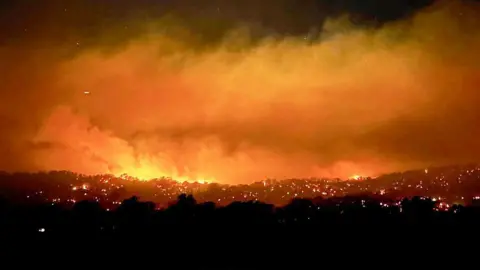
In northern Victoria, the fire danger level has been escalated to its maximum "catastrophic" category, a rare designation reserved for conditions where fires can spread rapidly with extreme intensity, according to reports from emergency services. This rating underscores the potential for uncontrollable blazes, prompting evacuations and restrictions on outdoor activities. "This heatwave is combining with dry fuels and gusty winds to create a perfect storm for bushfires," authorities have warned, urging residents to prepare for possible ignitions from lightning or human activity.
The heatwave's severity is classified as HIGH, affecting urban centers and rural areas alike. Health authorities have advised vulnerable populations—such as the elderly, children, and those with pre-existing conditions—to limit outdoor exposure, hydrate frequently, and seek air-conditioned spaces. Hospitals across affected states are on high alert, anticipating a surge in heat-related illnesses, which have historically included heatstroke, dehydration, and exacerbations of respiratory and cardiovascular issues during similar events.
Escalating Fire Threats Amid Record Temperatures
The BBC reports that officials are particularly concerned about northern Victoria, where the fire danger index has reached its peak. This region, characterized by eucalyptus forests and grasslands, has seen minimal rainfall in recent months, leaving vegetation tinder-dry. Fire services have prepositioned aircraft, water bombers, and ground crews, while total fire ban orders are in effect, prohibiting barbecues, welding, and other spark-generating activities.
Meteorological data indicates the heatwave is driven by a high-pressure system trapping hot air over the continent, compounded by northerly winds funneling warmth from the interior. Nighttime temperatures are also failing to drop significantly, offering little respite and further stressing ecosystems and infrastructure. Power grids are under strain, with warnings of potential outages in high-demand areas.
Historical Context and Australia's Heatwave Patterns
Australia, one of the hottest and driest inhabited continents, has a well-documented history of severe heatwaves that often precede devastating bushfires. The 2019-2020 Black Summer fires, fueled by record-breaking heat and drought, destroyed over 18 million hectares, killed or displaced billions of animals, and razed communities in New South Wales and Victoria. Similarly, the 2009 Black Saturday fires in Victoria claimed 173 lives amid temperatures exceeding 46°C.
Climate records show that heatwaves have intensified in frequency and duration. The national record of 48.9°C was set in Oodnadatta, South Australia, in 2013, but recent decades have seen multiple events surpassing 40°C across broader regions. The current outbreak aligns with long-term trends linked to climate variability, including influences from the Indian Ocean Dipole and prolonged La Niña transitions, though forecasters emphasize immediate preparedness over long-term attributions.
Authorities reference these precedents to stress the urgency: "Conditions are ripe for fires that could be catastrophic in their impact," as stated in official advisories. Community response plans, refined post-2020, include early warning systems like the VicEmergency app and national radar networks, enabling faster evacuations.
Impacts and Official Responses
Beyond fire risks, the heatwave is disrupting daily life. Schools in some districts have shifted to remote learning, agricultural operations face livestock stress and crop wilting, and tourism hotspots like the Great Ocean Road report reduced visitor numbers. Economic forecasts warn of losses in the billions from potential fires, drawing parallels to the AUD 100 billion toll of Black Summer.
Federal and state governments have activated response mechanisms. Prime Minister's office statements highlight coordination with the National Emergency Management Agency, while Victoria's Premier has called for national support. International aid offers from neighbors like New Zealand stand ready, recalling mutual assistance during past crises.
As the heatwave persists into the weekend, forecasters predict a slight moderation by mid-next week with incoming southerly winds, but the immediate outlook remains dire. Residents are urged to monitor alerts via official channels, secure properties against embers, and avoid travel through high-risk zones.
This event serves as a stark reminder of Australia's vulnerability to compound weather extremes, with emergency services emphasizing resilience measures amid an unforgiving summer season.
(Word count: 712)