
Indonesia's Semeru Volcano Erupts with 700-Meter Ash Column Amid Ongoing Activity at Merapi
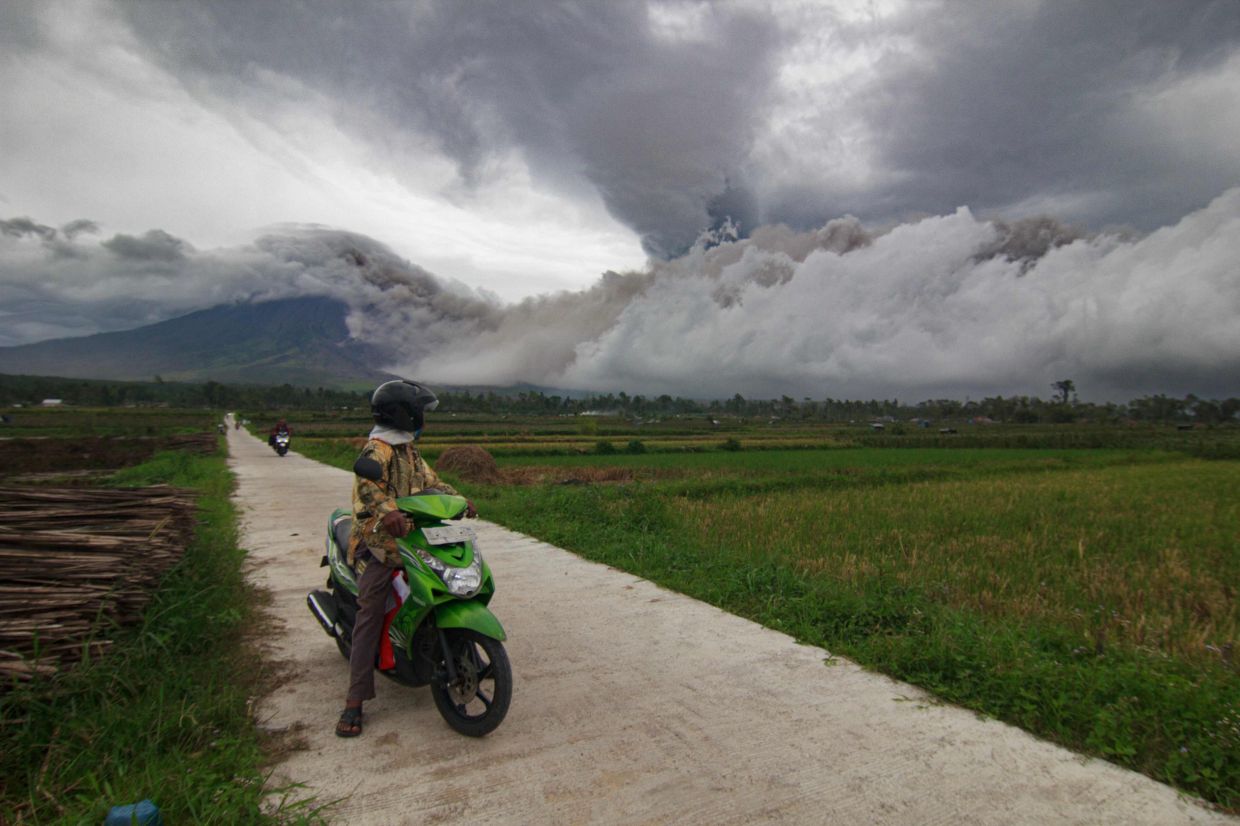
SURABAYA, Indonesia – Indonesia's Mount Semeru, the country's most active volcano, erupted again on January 9, 2026, sending an ash column reaching 700 meters into the sky, according to reports from local monitoring agencies. The eruption adds to heightened vigilance across Java island, where Mount Merapi is also exhibiting ongoing medium-level activity, prompting authorities to maintain elevated alert statuses for both sites.
The Semeru eruption was reported early on Friday, with activity commencing around 05:13 GMT (13:13 local time), as tracked by volcanological observatories. An ash plume rising to 700 meters was observed, characteristic of the volcano's frequent Strombolian-style explosions. No immediate reports of casualties, significant property damage, or widespread ashfall disruptions have been confirmed, but residents in nearby villages have been advised to avoid a 5-kilometer exclusion zone around the crater, per standard protocols from Indonesia's Center for Volcanology and Geological Hazard Mitigation (PVMBG).
Simultaneously, Mount Merapi, located approximately 300 kilometers west of Semeru on Java's densely populated southern flank, continues to show medium-severity activity that began at the same timestamp. Merapi's unrest includes visible incandescence at the summit, gas emissions, and occasional lava flows, maintaining it at Alert Level III (out of IV). PVMBG has urged communities within a 3-5 kilometer radius to stay vigilant, with no escalation to full eruption status reported as of the latest updates.
Details of the Semeru Eruption
Mount Semeru's latest event marks another episode in its near-continuous eruptive phase, which has persisted since 2021 following a major deadly explosion that killed dozens and blanketed villages in pyroclastic flows. The ash column of 700 meters, while not exceptionally high, poses risks of light ashfall to surrounding areas, potentially affecting agriculture and air travel. Historical data from PVMBG indicates Semeru's eruptions often produce pyroclastic surges, lahars (volcanic mudflows), and ash dispersal carried by prevailing winds toward Lumajang Regency.
Authorities have not raised the alert level beyond the current III, but rain-triggered lahars remain a concern, especially given Indonesia's wet season. Previous Semeru eruptions, such as the December 2023 event, led to evacuations of over 2,000 people and temporary airport closures at nearby Juanda International Airport.
Merapi's Persistent Unrest
Mount Merapi, renowned for its 2010 eruption that claimed 353 lives and forced the evacuation of 19,000 residents, has been in a state of elevated activity since late 2023. The current medium-severity phase involves dome growth, avalanches, and gas plumes, with seismic data showing consistent tremor levels. PVMBG reports no explosive eruptions but ongoing hazards like hot clouds and block-and-ash flows descending the upper flanks.
Merapi's proximity to Yogyakarta and Solo cities—home to millions—necessitates robust monitoring. The volcano's alert radius has been expanded intermittently, with recent advisories prohibiting access beyond 3 kilometers on the southern and southeastern slopes.
Background on Indonesia's Volcanic Landscape
Indonesia, straddling the Pacific "Ring of Fire," hosts 127 active volcanoes, more than any other nation. Java alone accounts for over 40, with Semeru (3,676 meters) in Bromo Tengger Semeru National Park and Merapi (2,910 meters) near cultural hubs exemplifying the archipelago's geothermal volatility. Tectonic subduction of the Indo-Australian Plate beneath the Eurasian Plate fuels this activity.
Semeru has erupted nearly daily for centuries, earning its status as Java's highest peak and a "smoking mountain." Merapi, dubbed the "Mountain of Fire," erupts majorly every 4-6 years, with the 2010 event being one of the largest in recent decades. Both volcanoes are monitored 24/7 by PVMBG, which operates a network of seismographs, webcams, and gas sensors.
Past events underscore the risks: Semeru's 2021 eruption killed 44, while Merapi's history includes the 1930-31 disaster that destroyed 13 villages. Climate factors like monsoons exacerbate lahars, as seen in 2022 when post-eruption rains caused fatalities.
Outlook and Response
PVMBG Director General Muhammad Wafid has emphasized preparedness, stating in recent briefings that "both volcanoes are within expected behavioral patterns, but communities must heed warnings." No flights have been disrupted yet, but airlines are monitoring for ash clouds. The National Disaster Mitigation Agency (BNPB) has prepositioned aid in affected regencies.
As activity persists, experts anticipate continued monitoring without immediate escalation, though seismic upticks could prompt higher alerts. Indonesia's robust early-warning systems, refined post-2010, continue to mitigate impacts in this seismically active nation.
(Word count: 612)