
Indonesian Volcanoes Stir: Ibu Erupts Ash Cloud to 6,000 Feet, Semeru and Merapi Show Ongoing Activity
Jakarta, Indonesia – Indonesia's volcanic landscape remains on edge as three prominent volcanoes—Ibu, Semeru, and Merapi—exhibit medium-level activity, with Ibu producing a fresh ash eruption reaching flight level 060 (approximately 6,000 feet or 1,800 meters) above sea level. Advisories issued on January 6, 2026, highlight the need for heightened vigilance in aviation and nearby communities, amid the archipelago's position on the Pacific Ring of Fire.
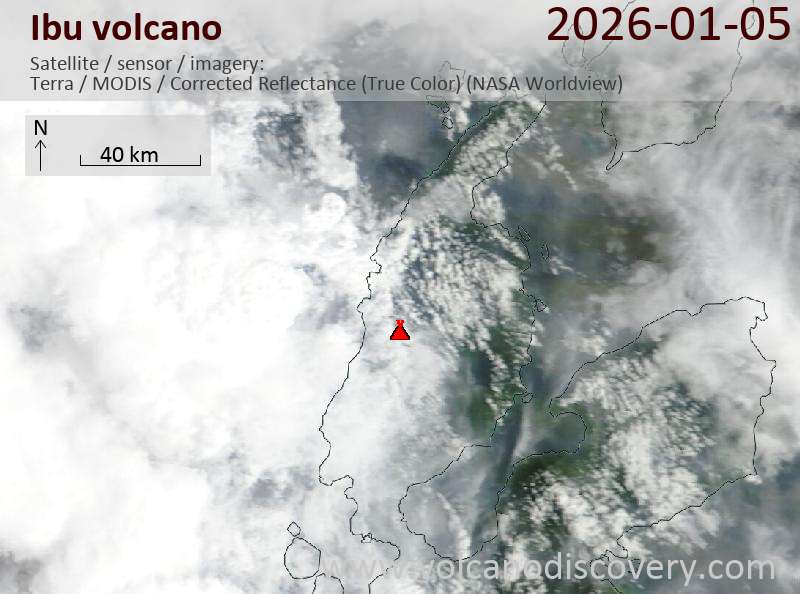
The most immediate concern stems from Ibu Volcano on Halmahera Island in North Maluku province. A volcanic ash advisory reported an eruption at 0822 Zulu time (Coordinated Universal Time), with ash plumes ascending to FL060. The alert, classified as medium severity, was last updated at 00:39 UTC on January 6, prompting warnings for air traffic. Volcano observatories urged pilots to avoid the area, as ash poses risks to aircraft engines and visibility. No immediate reports of ground impacts or evacuations have surfaced, but local authorities are monitoring for potential ashfall affecting agriculture and health in surrounding villages.
Concurrent with Ibu's activity, Semeru Volcano in East Java continues its persistent unrest. Classified as medium severity and active since at least 00:24 UTC on January 6, Semeru has been in a state of near-continuous eruption for years, characterized by lava flows, pyroclastic surges, and ash emissions. The volcano, Indonesia's highest at 3,676 meters, frequently disrupts air travel from nearby Juanda International Airport in Surabaya and poses threats to over 12,000 residents in permanent exclusion zones. Recent observations note ongoing emissions, with no escalation beyond routine levels reported.
Similarly, Merapi Volcano on the border of Central and Yogyakarta provinces in Java remains active at medium severity, with activity noted from the same timestamp. Standing at 2,930 meters, Merapi is one of Indonesia's most dangerous volcanoes, known for its explosive history. It has been in an elevated state since late 2023, featuring dome growth, incandescent avalanches, and gas-and-ash plumes reaching up to 1,000 meters above the summit. The alert radius stands at 3-5 kilometers, with 576 people evacuated in prior weeks due to lahar risks from recent rains. Monitoring stations detect 20-50 daily avalanches, underscoring the volcano's dynamism.
Background on Indonesia's Volcanic Hotspot
Indonesia hosts over 120 active volcanoes, more than any other nation, due to its straddling of major tectonic plate boundaries where the Indo-Australian Plate subducts beneath the Sunda Plate. This generates intense seismic and volcanic activity along a 5,000-kilometer arc. Ibu, Semeru, and Merapi exemplify this volatility: Semeru has erupted almost daily since 1967, with deadly events in 2021 claiming 48 lives from pyroclastic flows. Merapi's 2010 eruption killed 353 and displaced 350,000, while its 2024 activity led to repeated evacuations. Ibu, though less populated nearby, erupted significantly in 2024, sending ash to 10,000 feet and grounding flights.
The Center for Volcanology and Geological Hazard Mitigation (PVMBG), Indonesia's monitoring agency, maintains a multi-tiered alert system from I (normal) to IV (full eruption). All three volcanoes currently sit at Level II-III equivalents, signaling increased unrest but no immediate catastrophe. Historical data from global networks like the Darwin Volcanic Ash Advisory Centre (VAAC) track these events, with Ibu's latest advisory aligning with VAAC protocols for aviation safety.
Climate factors exacerbate risks; the ongoing wet season heightens lahar (volcanic mudflow) potential from rain remobilizing ash deposits, as seen in Semeru's 2022 disaster that killed five. Economic stakes are high: Java alone contributes 58% of Indonesia's GDP, with Merapi near cultural hubs like Yogyakarta, a UNESCO site.
Impacts and Response
No casualties or major disruptions were reported as of January 6, but aviation alerts for Ibu could affect routes to Manado and beyond. Semeru and Merapi's activities have led to travel advisories, with highways closed periodically and face masks recommended for ash. PVMBG Director General Agus Adi Wibowo emphasized in recent statements the importance of community drills and early warnings, bolstered by over 1,000 seismic sensors nationwide.
International support includes satellite monitoring from NASA's Earth Observing System and collaborations with USGS Volcano Hazards Program. Airlines like Garuda Indonesia routinely reroute flights during ash events.
Outlook
Experts anticipate continued monitoring, with potential for escalation if seismic swarms intensify or dome collapses occur. PVMBG urges residents within exclusion zones to heed sirens and avoid riverbanks. As Indonesia prepares for peak rainy season, resilient infrastructure investments—such as early warning apps reaching millions—offer hope amid nature's unpredictability. Updates from VAAC and local observatories will be critical in the coming days.
(Word count: 712)