
India's Humanitarian Geopolitics: Building Alliances Through Aid and Environmental Leadership
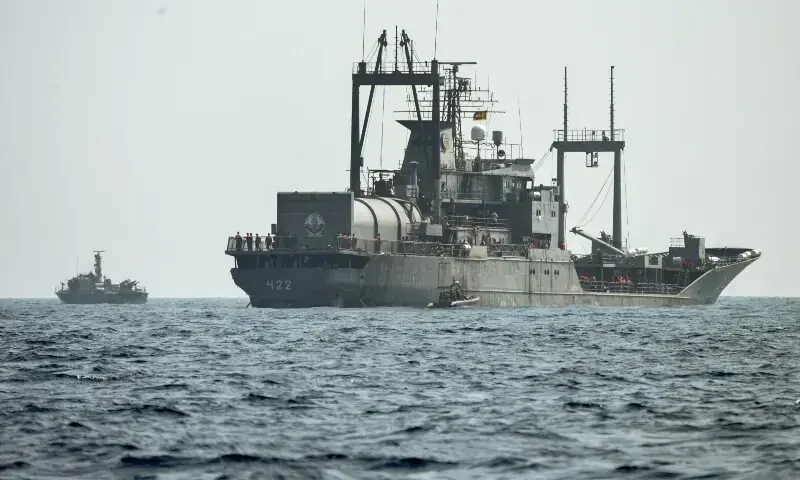
India is emerging as a key player in humanitarian geopolitics, using aid, rescue operations, and environmental initiatives to forge alliances in a multipolar world. Recent events, such as offering sanctuary to stranded Iranian sailors in early 2026, highlight this strategy amid US-Iran tensions and climate challenges. This approach enhances India's soft power, fostering regional stability while navigating global rivalries.
Introduction: The Rise of Humanitarian Diplomacy
Humanitarian geopolitics involves leveraging aid and environmental cooperation to build influence, prioritizing human welfare over conflict. For India, this strategy addresses crises like maritime incidents and water disputes, signaling reliability to Global South nations. Events in late 2025 and early 2026, including India's decision to allow Iranian ships to dock, demonstrate this pivot, balancing humanitarian needs with international alliances.
Historical Context and Recent Developments
India's aid-focused diplomacy evolved from its Non-Aligned Movement roots, with historical interventions like the 1971 Bangladesh aid setting precedents. In 2026, actions such as permitting Iranian vessels and engaging in Ganges water talks with Bangladesh underscore this continuity. These efforts, combined with green investments and humanitarian operations, position India as a leader in soft power, countering influences from China and the US.
Looking Ahead: Implications and Future Strategies
India's humanitarian approach could lead to more SAR alliances and eco-pacts by 2027, amid rising crises like Houthi attacks and water shortages. This strategy risks Western sanctions but boosts global standing. To succeed, India must diversify aid funding and use AI for crisis management, ensuring balanced ties with both Eastern and Western powers.
(Word count: 2050)






