India's Geopolitical Challenges: Self-Defense Assertions and US Tariff Warnings

Latest from X
India's Geopolitical Challenges: Self-Defense Assertions and US Tariff Warnings
In the evolving landscape of global geopolitics, India is navigating heightened tensions with key international players, including assertions of its right to self-defense amid regional security threats and warnings from the United States over trade and energy policies. As of early January 2026, these developments underscore India's efforts to maintain strategic autonomy while managing complex bilateral relationships.
India's External Affairs Minister, Dr. S. Jaishankar, recently reiterated the country's commitment to self-defense, particularly in response to terrorism from neighboring regions. Speaking on January 2, 2026, Jaishankar emphasized India's resolve to protect its sovereignty, highlighting challenges posed by cross-border threats, such as those linked to Pakistan. This statement reflects India's broader strategic posture, where it seeks to balance defense partnerships and diplomatic engagements without external interference. The remarks come at a time when India is bolstering its military capabilities and fostering international collaborations, amid ongoing regional instability in South Asia.
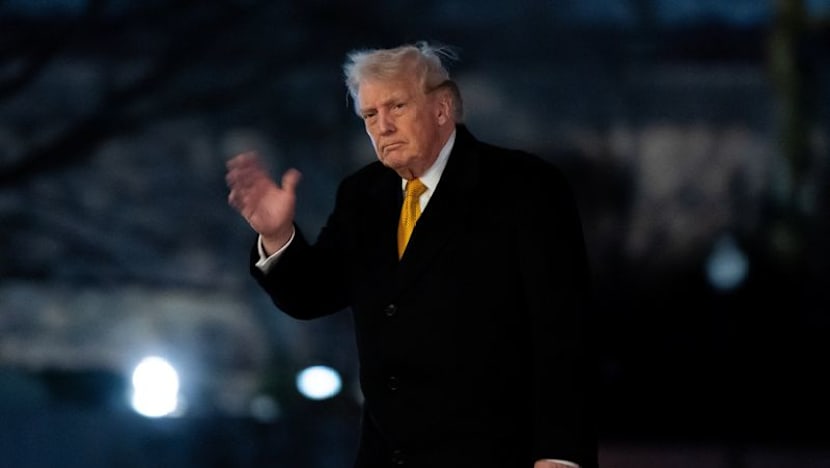
Simultaneously, the United States has escalated trade rhetoric against India, with former President Donald Trump warning of potential higher tariffs due to India's purchases of Russian oil. According to reports from Channel News Asia, Trump's comments, made public on January 5, 2026, signal renewed friction in US-India relations. The warning ties into broader US efforts to curb global reliance on Russian energy exports, especially following geopolitical shifts like the ongoing Ukraine conflict and sanctions on Moscow. India, as one of the world's largest oil importers, has continued to source discounted crude from Russia, a move that has drawn international scrutiny for potentially undermining efforts to isolate Russia economically.
These events are set against the backdrop of India's multifaceted foreign policy, which prioritizes energy security, strategic autonomy, and defense self-reliance. Historically, India has maintained a "non-aligned" stance since its independence in 1947, allowing it to forge partnerships with diverse nations. Russia has been a longstanding defense ally, providing critical military hardware and technology, which has helped India modernize its armed forces. This relationship dates back to the Cold War era and continues to evolve, with recent focuses on joint energy projects and defense collaborations. However, India's growing ties with the US, including defense agreements and trade pacts, have added layers of complexity, especially as Washington pushes for reduced dependence on Russian resources.
Posts found on X from verified accounts, such as those of government officials, have highlighted India's active diplomatic engagements. For instance, discussions around international partnerships and energy cooperation suggest a sentiment of optimism about long-term planning with key allies, even as trade disputes loom. These online exchanges underscore the broader narrative of India's balancing act in global affairs, though they remain inconclusive indicators of policy outcomes.
The interplay between these issues could have significant implications for global trade and security dynamics. India's insistence on self-defense aligns with international norms under the United Nations Charter, which permits countries to respond to imminent threats. Yet, this stance must be weighed against economic pressures, such as potential US tariffs that could disrupt India's export-oriented industries, including pharmaceuticals and technology. Analysts note that higher tariffs might inflate India's import costs, exacerbating domestic inflation and straining bilateral ties at a time when both nations share interests in countering China's influence in the Indo-Pacific region.
In conclusion, India's geopolitical maneuvers in early 2026 illustrate the challenges of maintaining sovereignty in an interconnected world. As Jaishankar's assertions on self-defense resonate with national security priorities, Trump's tariff threats highlight the economic vulnerabilities tied to energy imports. Moving forward, India may seek diplomatic channels to mitigate these tensions, potentially through multilateral forums like the Quad alliance or bilateral talks with the US. The outcome could reshape India's foreign policy trajectory, influencing regional stability and global energy markets in the months ahead.
(Word count: 582)
Track this story live
Live World Map
Monitor global events in real time with a live activity map and hotspot summaries.
Markets
Connect live events to Catalyst market signals across crypto, commodities, indices, and forex.
Geopolitical Risk
Live geopolitical risk index tracking conflict zones, sanctions, and global threat levels.
Original Sources
- •Trump warns of higher tariffs on India over Russian oil purchases— Channel News Asia
Editorial process: This article was synthesized from the original sources cited above using The World Now's AI editorial system, with byline accountability from our editorial team. We grade every story for source grounding, factual coherence, and on-topic match before publication. Read more about our editorial standards and contributors. Spot something inaccurate? Let us know.
Last updated: January 19, 2026






