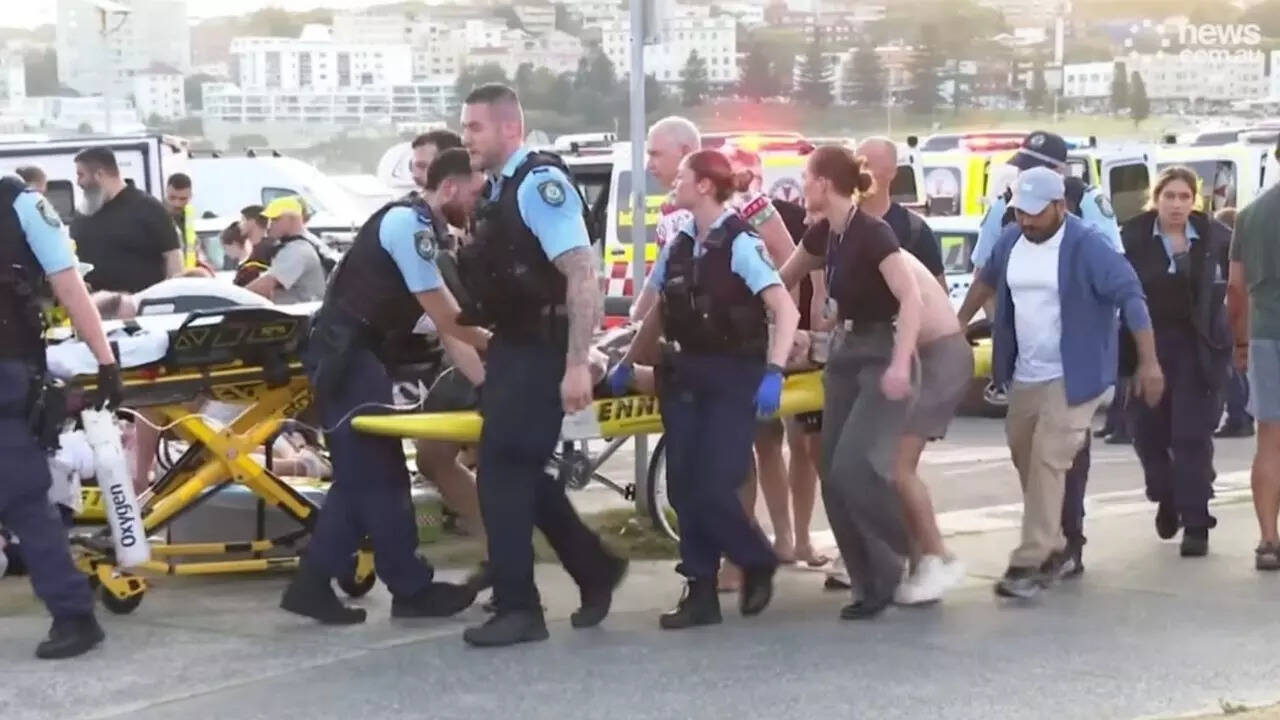

Indian Uber Driver's Act of Bravery Amid Chaos of Bondi Beach Mass Shooting
Sydney, Australia – An Indian Uber driver has emerged as a symbol of courage following a mass shooting at the iconic Bondi Beach on December 14, where he stayed to assist victims despite being just 400 meters from the gunmen. Rahemath Pasha's firsthand account of the terror, in which he witnessed people dying around him, underscores the human cost of the attack and the extraordinary compassion displayed in its aftermath.
Pasha, who was working in Sydney at the time, described the scene as one of utter pandemonium. In a detailed recollection published by the Times of India, he stated, "People died in front of me," highlighting the immediacy of the violence that unfolded on the bustling beachfront. Despite his own fear, Pasha chose not to flee the area. Instead, he remained to help an elderly woman and other injured individuals, navigating the chaos to provide aid amid gunfire and panic.
The incident occurred at Bondi Beach, one of Australia's most famous coastal landmarks in Sydney's eastern suburbs, known for attracting thousands of tourists and locals daily. The beach's vibrant atmosphere was shattered as gunmen opened fire, turning a place synonymous with leisure and surfing into a scene of tragedy. Pasha was positioned perilously close—approximately 400 meters from the attackers—when the shooting began, placing him in direct line of sight to the horror.
Eyewitness details from Pasha paint a vivid picture of the event's severity. As an Uber driver on duty, he was in the vicinity when shots rang out, prompting a frantic response from beachgoers. Rather than prioritizing his safety, Pasha's instinct was to assist those in need. He helped evacuate the elderly woman to safety and supported other victims, actions that have since been hailed as profound displays of humanity. His decision to stay back, even as others ran for cover, reflects a rare composure under extreme duress.
Australian authorities have classified the Bondi Beach incident as a mass shooting, marking it as a high-severity event due to the number of casualties and the public nature of the attack. While specific casualty figures and details on the perpetrators remain limited in initial reports, Pasha's testimony confirms multiple fatalities occurring in plain view, amplifying the shockwave across the nation.
Background on Gun Violence in Australia
Australia's experience with mass shootings is starkly limited compared to many other countries, largely due to sweeping gun control reforms enacted after the 1996 Port Arthur massacre in Tasmania. That event, where 35 people were killed by a lone gunman, prompted the National Firearms Agreement, which banned semi-automatic rifles and shotguns, implemented strict licensing, and initiated a buyback program that removed over 640,000 firearms from circulation. Since then, mass shootings—defined as incidents with four or more fatalities—have been exceedingly rare, with no incidents matching that threshold until recent years.
The Bondi Beach attack represents a significant breach in this decades-long trend of low gun violence rates. Australia's strict laws require background checks, safe storage, and registration for firearms, contributing to one of the world's lowest firearm homicide rates at around 0.18 per 100,000 people annually, according to United Nations Office on Drugs and Crime data. However, isolated incidents persist, including stabbings and vehicle attacks, often linked to mental health issues or extremism. The characterization of the Bondi event as a "terror attack" in some reports raises questions about potential motives, though investigations are ongoing.
Bondi Beach itself holds cultural significance as a hub for Sydney's beach culture, featured in films like The Great Gatsby (2013) and hosting annual events such as the City2Surf race. Its proximity to urban Sydney amplifies the national impact of the shooting, evoking memories of other public attacks like the 2014 Lindt Café siege in Sydney or the 2023 Wieambilla shootings in Queensland, where a family killed two police officers.
Broader Implications and Response
Pasha's story has resonated globally, particularly within Indian diaspora communities, as he hails from Hyderabad. His heroism has drawn praise for exemplifying the "profound humanity" needed in crises, as noted in coverage of his interview. Uber has not publicly commented on the incident, but Pasha's actions align with broader narratives of everyday citizens stepping up during emergencies.
New South Wales police and federal authorities swiftly locked down the area post-shooting, with emergency services treating the wounded on-site. Prime Minister Anthony Albanese addressed the nation, condemning the violence and reaffirming Australia's commitment to public safety. Enhanced security measures at beaches and tourist sites are under review, amid calls for further scrutiny of Australia's gun laws in light of evolving threats.
As investigations continue, Pasha's account serves as a poignant reminder of individual resilience amid collective trauma. The Bondi Beach mass shooting, occurring in late 2025, has reignited debates on vigilance against rare but devastating acts of violence in a country long praised for its progressive firearm regulations. Families of the victims and the wider community grapple with the loss, while stories like Pasha's offer glimmers of hope and solidarity.
(Word count: 712)






