
India Navigates Regional Tensions: Ganges Water Talks with Bangladesh and Trump's Renewed India-Pakistan Claims
Washington/New Delhi/Dhaka, January 10, 2026 – India is grappling with key geopolitical developments on two fronts: negotiations with Bangladesh to renew a critical Ganges River water-sharing agreement amid domestic political challenges in Dhaka, and fresh assertions by U.S. President Donald Trump claiming credit for averting a potential war between India and Pakistan.
Talks on renewing the 1996 Ganges Water Sharing Treaty began on January 9, 2026, as the 30-year pact nears its expiration at the end of the year. The agreement, signed between India and Bangladesh on December 12, 1996, governs the equitable distribution of Ganges waters at the Farakka Barrage, addressing long-standing disputes over water flow during the dry season that affect agriculture, fisheries, and drinking water supplies in both nations, particularly Bangladesh's southwestern regions.
The current negotiations face complications from political disputes and Bangladesh's upcoming elections. Dhaka has historically raised concerns about India's upstream water diversions, which Bangladesh argues exacerbate flooding and droughts downstream. Indian officials emphasize the need for technical assessments and mutual assurances to ensure sustainable sharing. These talks occur against the backdrop of improved bilateral ties under Bangladesh's interim government following political transitions, but election uncertainties could harden positions on resource allocation.
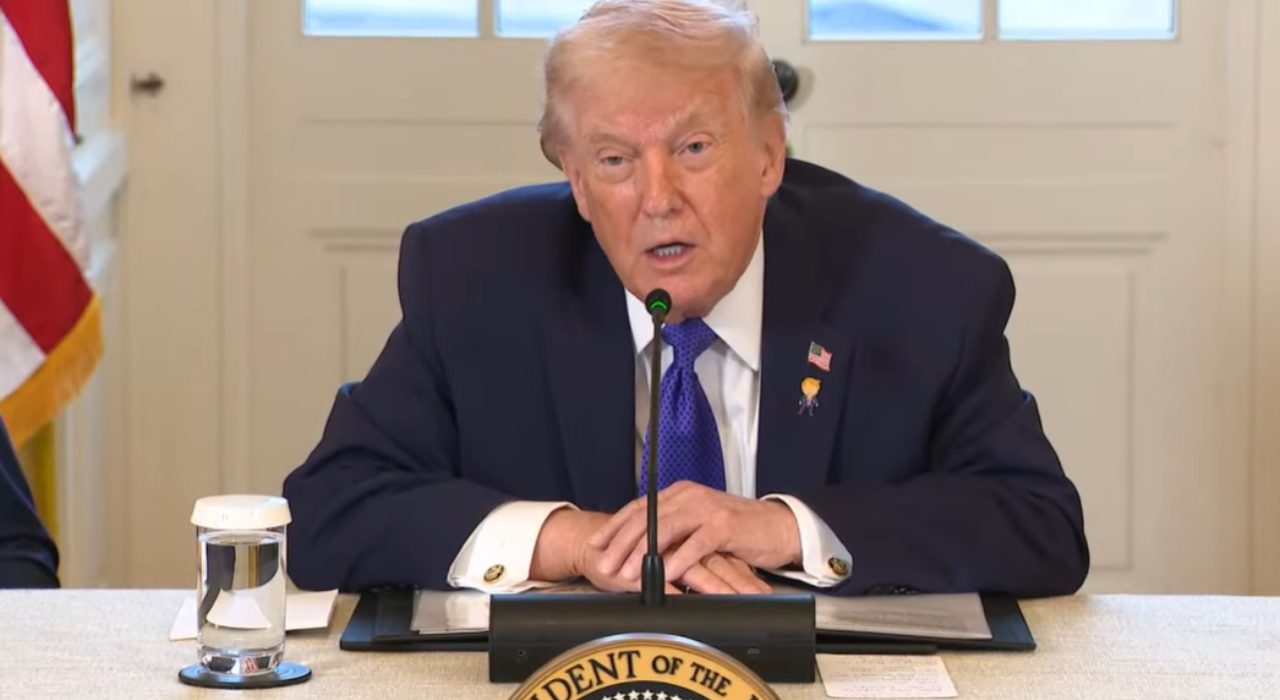
In parallel, on the same day, U.S. President Donald Trump reiterated his role in de-escalating tensions between India and Pakistan, during a White House meeting with oil executives focused on Venezuela. Trump stated that "eight planes were shot down" in a looming conflict between the nuclear-armed neighbors before his intervention prevented further escalation. "Nobody else settled wars," he asserted, linking his diplomatic efforts—including claimed mediations in India-Pakistan, Ukraine-Russia, and Israel-Hamas—to a deserving Nobel Peace Prize.
Trump's comments echo previous statements he has made in interviews, amplifying his narrative of global peacemaking. The remarks come amid ongoing India-Pakistan frictions, including cross-border skirmishes along the Line of Control in Kashmir and the renewal of a ceasefire agreement in February 2021, which extended a 2003 understanding but has faced periodic violations.
Background on Indo-Bangla Water Diplomacy
The Ganges Treaty represents a cornerstone of India-Bangladesh relations, resolving disputes dating back to the 1970s over the Farakka Barrage, constructed by India in 1975 to flush silt from the Hooghly River to sustain Kolkata's port. Bangladesh, heavily reliant on the Ganges-Padma system for 60 million people, viewed the barrage as a threat to its water security. The 1996 pact guarantees Bangladesh a minimum flow of 35,000 cusecs during the critical March-May period, with a review mechanism activated five years before expiry—which aligns with the current talks.
Previous renewals and ad-hoc arrangements have maintained stability, but climate change, rising populations, and competing demands from Indian states like West Bengal and Bihar add pressure. Indian Water Resources Minister has indicated willingness for data-sharing and joint monitoring, while Bangladeshi counterparts stress enforceable guarantees. Analysts note that successful renewal could bolster economic ties, including trade and connectivity projects under India's "Neighborhood First" policy.
Context of India-Pakistan Dynamics and U.S. Involvement
India-Pakistan relations remain strained by the Kashmir dispute, with the last major military clash occurring in 2019 following a terrorist attack in Pulwama, leading to airstrikes and a dogfight where India claimed to have downed a Pakistani F-16—claims Pakistan denied. Trump has repeatedly positioned himself as a mediator, notably in 2019 when he publicly offered to facilitate talks at then-Indian Prime Minister Narendra Modi's request, a move New Delhi later clarified as focused solely on trade and terrorism.
The U.S. has historically played a role in de-escalation, including through backchannel diplomacy during the 1999 Kargil conflict and post-2001-2002 standoffs. Trump's latest push for Nobel recognition revives discussions on third-party involvement, which both India and Pakistan have approached cautiously—India insisting on bilateral resolutions under the Simla Agreement of 1972.
No official responses from Indian or Pakistani governments to Trump's January 9 remarks were immediately available, though past statements have politely deflected such claims.
Outlook
As India balances these regional challenges, the Ganges talks could set a precedent for cooperative resource management in South Asia, potentially influencing similar disputes over the Teesta River. Meanwhile, Trump's assertions highlight enduring U.S. interest in South Asian stability, especially given the nuclear risks and implications for global energy and trade routes.
Stakeholders in both water negotiations and Indo-Pak diplomacy underscore dialogue as essential. The coming months, coinciding with Bangladesh's electoral calendar, will test India's diplomatic agility in safeguarding its water security and border peace.
(Word count: 712)






