
India Intensifies Counter-Terrorism Measures Amid Narco-Terrorism Concerns and IED Threat
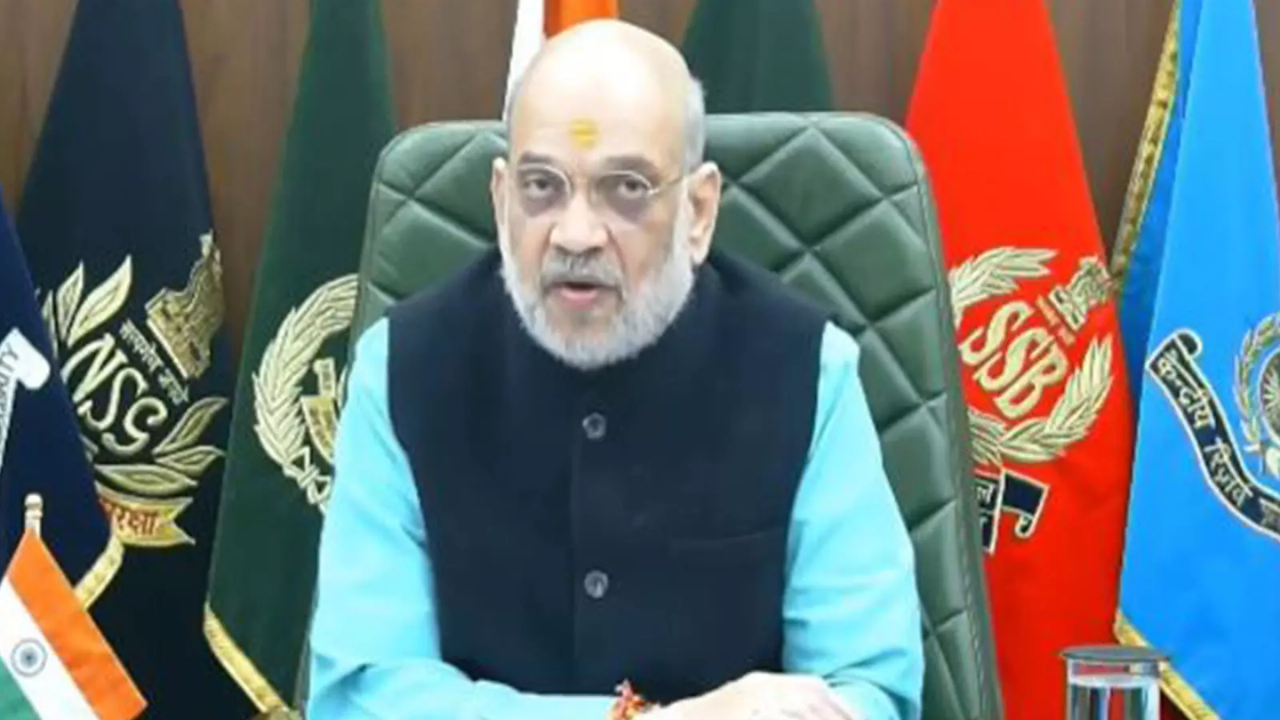
New Delhi, India – Indian Home Minister Amit Shah has reframed the nation's escalating drug crisis as a critical national security issue, labeling it "narco-terrorism" rather than mere criminality, as authorities simultaneously launch a specialized database to combat Improvised Explosive Device (IED) attacks, signaling a multifaceted push against terrorism on January 9, 2026.
In a strong statement issued late Friday, Shah underscored that the drug problem infiltrating regions like Punjab and Jammu & Kashmir is not isolated to law enforcement but represents a deliberate terrorist strategy funded by narcotics trafficking. This declaration, described as medium severity by security monitors, highlights growing concerns over cross-border smuggling networks allegedly linked to Pakistan-based groups, which use drug proceeds to finance insurgent activities.
Nearly concurrent with Shah's remarks, Indian security agencies announced the creation of a comprehensive archive of IED attack data. Published reports detail how this repository will aggregate historical and ongoing intelligence on explosive incidents across conflict zones, enabling better pattern recognition, predictive analytics, and coordinated responses. IEDs remain a persistent weapon in India's internal security challenges, deployed by Maoist insurgents in central and eastern states, as well as militants in the Kashmir Valley and Northeast.
The IED database initiative stems from years of deadly attacks that have claimed hundreds of lives among security forces and civilians. For instance, in 2024 alone, Naxalite groups—officially termed Left-Wing Extremism (LWE) operatives—were responsible for multiple IED blasts in Chhattisgarh and Jharkhand, according to government data. The new archive aims to centralize fragmented records from police, paramilitary units like the Central Reserve Police Force (CRPF), and intelligence agencies, facilitating advanced tools such as AI-driven threat mapping.
Shah's emphasis on narco-terrorism builds on longstanding warnings from Indian officials. Punjab, bordering Pakistan, has seen a surge in heroin and synthetic drug seizures, with over 2,500 kg of heroin confiscated in 2025, per Narcotics Control Bureau (NCB) figures. Authorities allege that groups like Lashkar-e-Taiba (LeT) and Hizbul Mujahideen channel these funds into arms procurement and radicalization. "This is not just a crime; it's terrorism disguised," Shah stated, urging a "whole-of-government" approach integrating border security, financial tracking, and community outreach.
Background on India's Terrorism Landscape
India faces a spectrum of terrorism threats, evolving from conventional insurgencies to hybrid models incorporating narcotics and cyber elements. In Jammu & Kashmir, post-Article 370 abrogation in 2019, encounters with terrorists have intensified, with over 100 militants neutralized in 2025. The Northeast, particularly Manipur, grapples with ethnic insurgencies fueled by arms smuggling, while LWE-affected "Red Corridor" districts report declining but still lethal IED usage—down 40% since 2021 due to operations like Prahar.
Narco-terrorism emerged as a focal point during the 2024 Lok Sabha elections, with Shah accusing opposition parties of downplaying the issue. The NCB's Project Synergy, linking drug syndicates to terror financing, has led to high-profile arrests, including operatives tied to the Khalistan movement. Internationally, the UN Office on Drugs and Crime has noted South Asia's role in the "Golden Crescent" opium trade, intersecting with jihadist networks.
The IED archive addresses a tactical gap exposed in past incidents, such as the 2023 Sukma ambush killing nine CRPF personnel or the 2021 Sukma IED blast injuring 11. By digitizing blast patterns, explosive compositions (often ammonium nitrate-based), and perpetrator profiles, it mirrors global efforts like the U.S. Joint Improvised-Threat Defeat Organization (JIDO).
Security Implications and Outlook
These developments reflect Prime Minister Narendra Modi's administration's aggressive posture, backed by increased budgets—the Ministry of Home Affairs allocated ₹1.02 lakh crore for internal security in FY2026. Analysts anticipate the database will integrate with the National Intelligence Grid (NATGRID) for real-time alerts, potentially reducing response times in high-risk areas.
However, challenges persist: porous borders, under-resourced state police, and radicalization via social media. Shah's narco-terrorism pivot could spur stricter laws, akin to the Unlawful Activities (Prevention) Act amendments, alongside international cooperation with the U.S. and Afghanistan on drug interdiction.
As India marks the 75th anniversary of its Republic, these measures underscore a resolve to eradicate terrorism's roots. Security experts predict measurable impacts within the year, though sustained vigilance remains essential amid geopolitical tensions with neighbors.
(Word count: 612)






