
India Grapples with Escalating Terrorism Threats: Suspected ISI-Linked Blast in Himachal Pradesh and Encounter in Jammu & Kashmir
New Delhi, India – As the new year unfolds, India is confronting a spate of terrorism-related incidents, including a suspected blast orchestrated by Pakistan's Inter-Services Intelligence (ISI) in Himachal Pradesh and an ongoing security operation against terrorists in Jammu and Kashmir's Kathua district. These events, occurring within days of each other, underscore persistent cross-border threats and militant activities in sensitive regions.
The first incident unfolded on January 2, 2026, in Nalagarh, a town in Himachal Pradesh's Solan district bordering Punjab. An explosion rocked the area, prompting Punjab police to point fingers at Pakistan's ISI as the mastermind. According to reports, local groups initially claimed responsibility for the blast, but authorities dismissed these claims, asserting that the outfits were merely fronts acting at the behest of ISI handlers. The blast, classified as medium severity, has heightened concerns over ISI's alleged infiltration tactics extending beyond traditional hotspots like Jammu and Kashmir and Punjab into neighboring states like Himachal Pradesh. No immediate casualties were reported in the initial assessments, but investigations are underway to ascertain the exact nature of the explosives and potential targets.
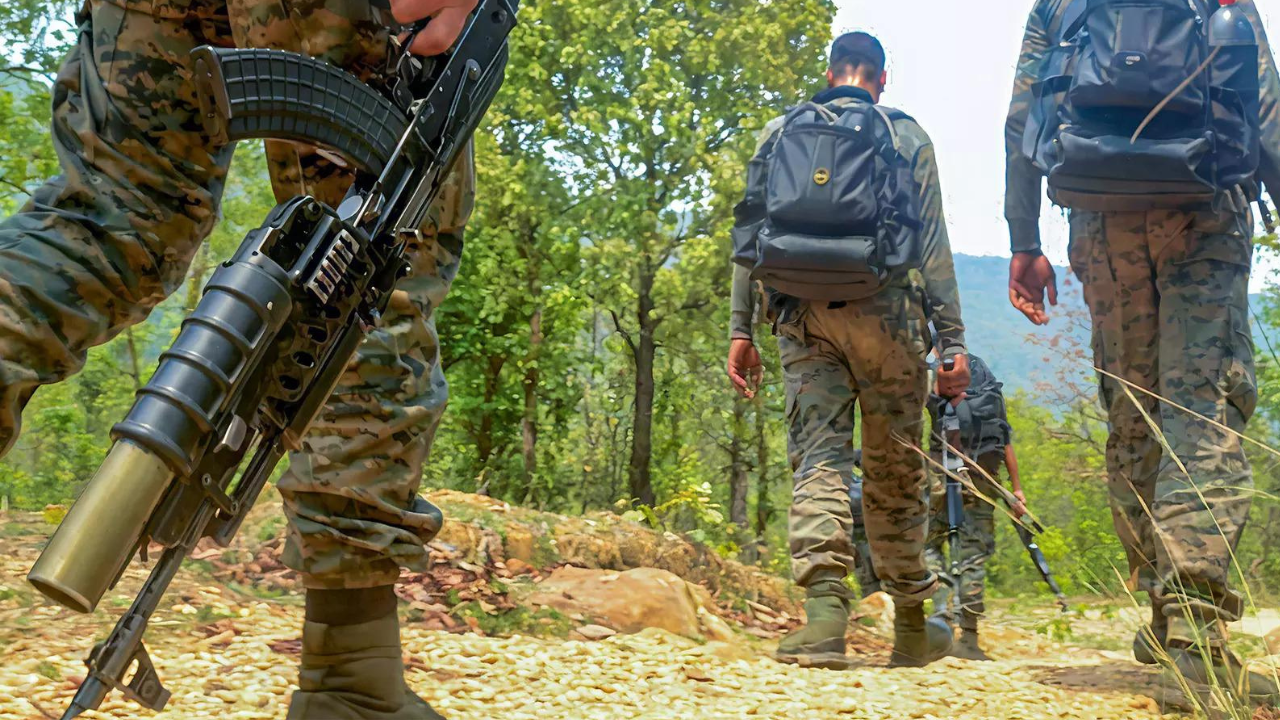
Just five days later, on January 7, 2026, security forces engaged in a fierce encounter with terrorists in Kathua district, Jammu and Kashmir. The operation, which remains ongoing as of the latest updates, involves Indian Army personnel and Jammu and Kashmir Police tracking down a group of militants in a forested area. According to reports from The Times of India, the clash broke out early Wednesday morning, with intermittent exchange of fire continuing into the day. Security forces have cordoned off the region, and reinforcements have been deployed to neutralize the threat. Kathua, located along the international border with Pakistan, has been a frequent flashpoint for infiltration attempts and militant hideouts.
These incidents come amid a broader context of terrorism challenges in India. Pakistan's ISI has long been accused by Indian authorities of sponsoring proxy warfare through terrorist groups, a pattern documented in numerous dossiers presented at international forums like the Financial Action Task Force (FATF). In Jammu and Kashmir, militancy persists despite significant declines in violence following the abrogation of Article 370 in August 2019, which revoked the region's special status. Official data from the Ministry of Home Affairs indicates a 70% drop in terrorist incidents between 2019 and 2024, but cross-border infiltrations continue, often peaking in winter months when snow cover aids covert movements.
Himachal Pradesh, traditionally insulated from such violence, represents a worrying expansion of ISI's reach. The state shares a porous border with Pakistan-occupied Kashmir (PoK) via high-altitude passes, and Nalagarh's proximity to Punjab—itself a historical hotbed for ISI-backed Khalistani separatism—raises alarms about spillover effects. Punjab Police's involvement in the probe highlights inter-state coordination, reminiscent of past operations against modules linked to Lashkar-e-Taiba (LeT) and Jaish-e-Mohammed (JeM), both designated terrorist outfits with ISI ties.
In Kathua, the encounter aligns with intensified counter-terrorism efforts under Operation All Out, which has eliminated over 1,000 militants since 2017. The district has witnessed similar clashes, including a major operation in 2018 that drew international attention after the rape and murder of an eight-year-old girl was linked to local militant networks. Security analysts note that such engagements often yield weapons caches, intelligence on handlers, and eliminations of high-value targets.
Indian security apparatus has responded decisively. Following the Himachal blast, forensic teams from the National Investigation Agency (NIA) were alerted, while border security has been beefed up along the Line of Control (LoC) and International Border. Prime Minister Narendra Modi's government has reiterated its zero-tolerance policy, with Home Minister Amit Shah emphasizing enhanced surveillance and community intelligence in recent statements. The Indian Army's Northern Command has reported increased vigilance patrols in J&K.
As operations continue in Kathua, the fate of the trapped terrorists remains uncertain, with expectations of a successful conclusion similar to recent encounters in Poonch and Rajouri. In Himachal, preliminary findings are awaited to confirm ISI linkages, potentially leading to diplomatic escalations with Pakistan.
These back-to-back events signal a need for sustained vigilance, particularly as India navigates regional tensions exacerbated by Pakistan's political instability and ongoing global scrutiny of state-sponsored terrorism. With the Lok Sabha elections approaching in 2029, bolstering internal security remains a top priority for the government. Updates from official channels are anticipated as investigations progress.
(Word count: 612)






