
India Faces Widespread Cold Wave: Snowfall Blankets Himachal Pradesh, Schools Shut in Multiple States
New Delhi, India – A severe cold wave sweeping across northern and eastern India has triggered fresh snowfall in Himachal Pradesh's higher reaches and prompted school closures in several states, as plummeting temperatures and dense fog disrupt daily life. The weather event, which intensified on January 5, 2026, has led to travel advisories and heightened safety measures amid medium-level severity impacts.
In Himachal Pradesh, a mountainous state in the northern Himalayas, residents are enduring biting cold with minimum temperatures dropping significantly below seasonal norms. Fresh snowfall has blanketed higher elevations, exacerbating the chill and creating hazardous conditions. Authorities have issued a specific travel advisory for Lahaul-Spiti, one of the state's remote and high-altitude districts, urging caution due to potential road blockages and extreme weather. The cold wave began around 1:50 p.m. GMT on January 5, 2026, aligning with the peak winter season when the region routinely experiences such conditions.
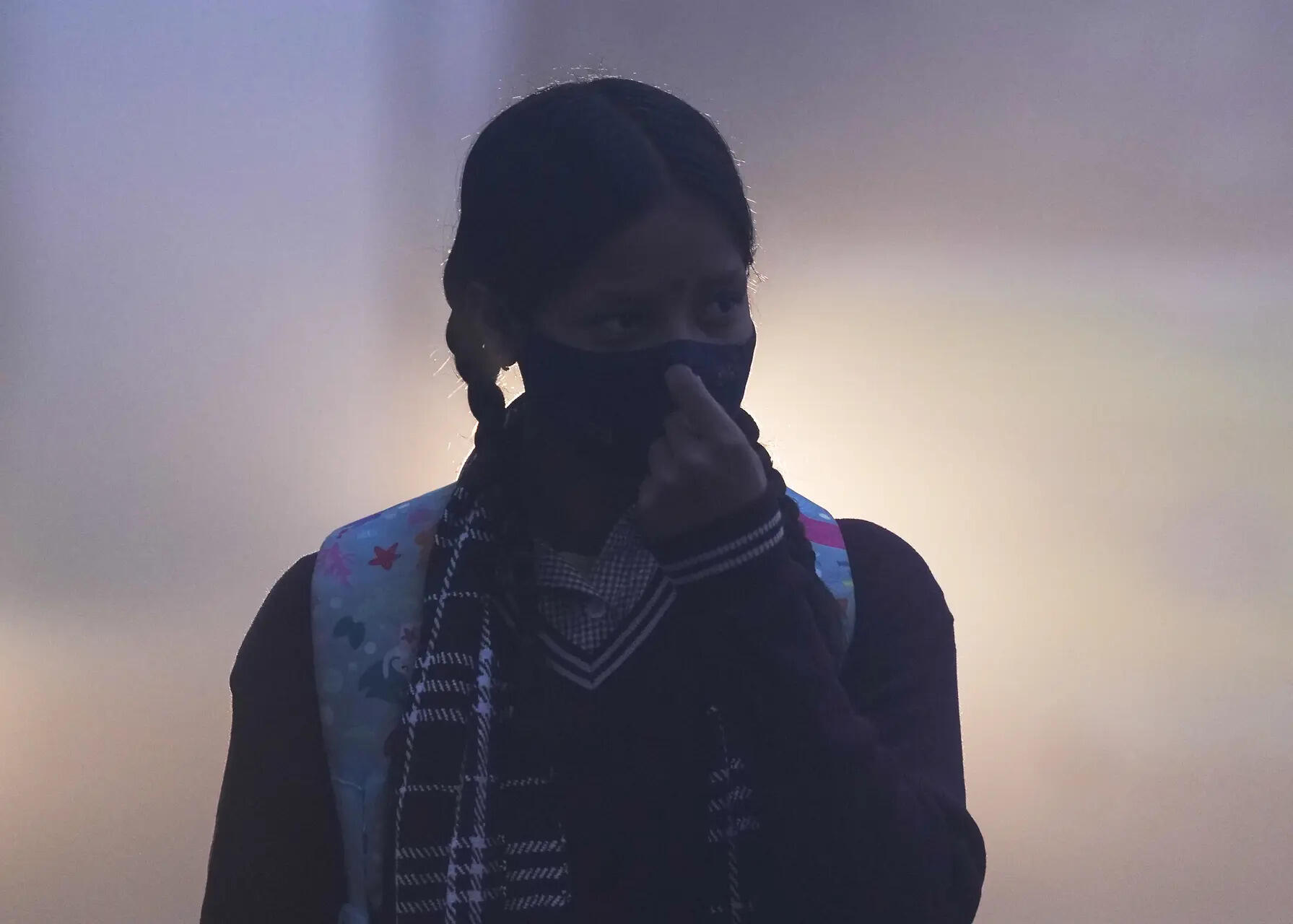
The broader cold wave has extended its grip to other parts of India, prompting educational authorities in Rajasthan, Tripura, and Jharkhand to extend holidays for students across various grades. These closures prioritize student health amid the harsh weather, with temperatures falling sharply and dense fog reducing visibility to dangerous levels. In Rajasthan, a desert state unaccustomed to such prolonged chills, schools have halted classes to shield young pupils from hypothermia risks. Tripura in the northeast and Jharkhand in the east have followed suit, announcing similar measures. While students remain at home, school staff are generally required to report for duties, and scheduled examinations are proceeding as planned in select regions to minimize academic disruptions.
The India Meteorological Department (IMD), which routinely monitors such events, has classified the Himachal Pradesh situation at medium severity, indicating notable but not catastrophic impacts. Cold waves in India are a recurring winter phenomenon, typically occurring between December and February, driven by western disturbances—extratropical storms originating from the Mediterranean—that bring moisture-laden winds to the northwest. These systems often result in snowfall in the hills and cold, foggy conditions over the Indo-Gangetic plains. Historical data shows that similar events in past winters, such as 2023-2024, led to over 100 deaths nationwide from cold-related causes, underscoring the vulnerability of northern India’s population.
This year's cold spell echoes patterns observed in recent seasons, where urban centers like Delhi have recorded "severe" cold wave days, with minimums dipping below 4°C (39°F). Dense fog, a hallmark of these episodes, has grounded flights and slowed road and rail traffic, compounding logistical challenges. In the affected school states, the extensions build on initial holidays declared earlier in the week, reflecting a proactive response from state governments.
Background on India's Winter Weather Challenges
India's diverse geography amplifies the effects of cold waves. The Himalayan foothills, including Himachal Pradesh, serve as a natural barrier, trapping cold air and intensifying local chills. Himachal Pradesh, home to popular tourist spots like Shimla and Manali, sees heavy snowfall annually, boosting its ski industry but also straining infrastructure. Lahaul-Spiti, at elevations exceeding 4,000 meters (13,000 feet), is particularly prone to isolation during snow events, with passes like Rohtang often closing.
Nationwide, cold waves disproportionately impact the poor and elderly, who lack adequate heating. Government responses typically include bonfire distributions, shelters, and health advisories. The IMD's color-coded warnings—green, yellow, orange, and red—help calibrate public preparedness, with the current medium severity for Himachal suggesting yellow-level alerts.
Outlook and Official Measures
As the cold wave persists into the week, meteorologists anticipate continued low temperatures through mid-January, with potential for more precipitation in the northwest. Travel advisories remain in effect for vulnerable areas like Lahaul-Spiti, where drivers are advised to check road status via official apps. Educational institutions in the listed states are monitoring conditions for potential further extensions, balancing safety with learning continuity.
Authorities across India are urging the public to stay indoors during peak cold hours, wear protective clothing, and avoid unnecessary travel in fog. Emergency services are on high alert, and health officials have ramped up awareness campaigns on frostbite and respiratory issues exacerbated by pollution trapped under fog layers.
This episode highlights India's ongoing battle with extreme weather variability, intensified by climate patterns like La Niña, which often usher in colder winters. As the nation navigates these conditions, coordinated efforts between federal and state agencies aim to mitigate disruptions and safeguard lives.
(Word count: 612)