
Increased Volcanic Activity Prompts Alert Levels in Indonesia
Indonesia has raised the alert levels for several of its active volcanoes, including Mount Bur Ni Telong, Semeru, and Merapi, due to a notable increase in volcanic activity. The heightened alert comes as the country remains on high alert for potential eruptions, with authorities monitoring the situation closely.
On December 31, 2025, Indonesia’s Center for Volcanology and Geological Hazard Mitigation announced that the alert level for Mount Bur Ni Telong has been elevated to medium. This decision is attributed to increased seismic activity and other geological signs indicating the volcano's potential for an eruption. The local population has been advised to remain vigilant, and monitoring teams have been deployed to observe any further developments.
Following closely behind, the Semeru volcano also exhibited ongoing activity, prompting authorities to classify its alert level as medium on January 1, 2026. Semeru, one of Indonesia's most active volcanoes, has a history of eruptions, and its current state is being monitored by geologists who are concerned about the possible implications for surrounding communities.
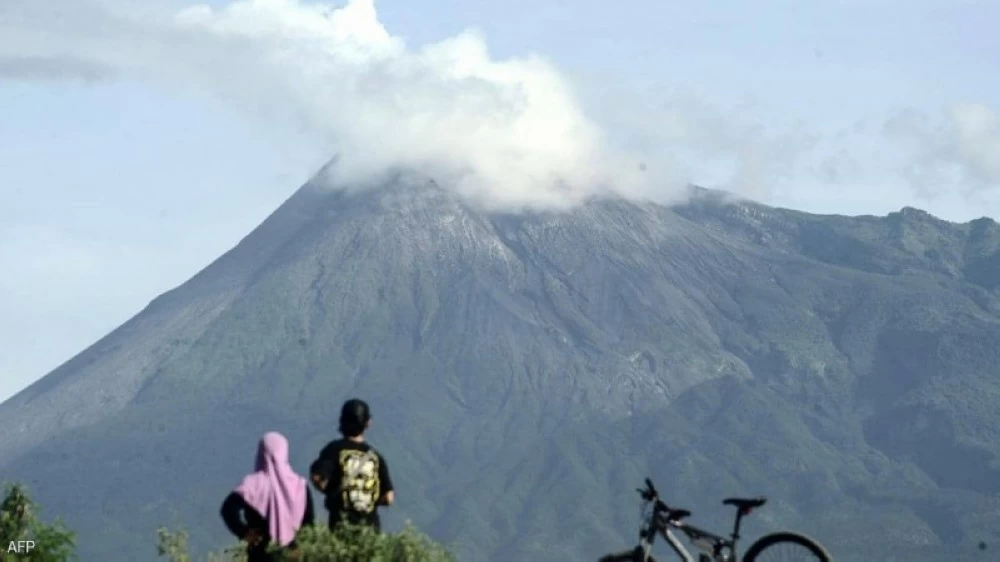
Similarly, Merapi volcano, another renowned active volcano in Indonesia, has shown signs of ongoing activity since January 1, 2026. Like Semeru, Merapi has a long history of eruptions, making it one of the most closely watched volcanoes in the region. The alert level has also been set to medium for Merapi, reflecting the potential for increased volcanic activity that could pose risks to local residents.
Volcanic activity in Indonesia is not uncommon, as the country is part of the Pacific Ring of Fire, an area with a high level of tectonic activity that includes a significant number of volcanoes. The alert levels are aimed at ensuring the safety of the population by providing timely information and preparedness measures in case of an eruption.
In light of these developments, local authorities have begun to prepare emergency response plans, including potential evacuation procedures for residents living in proximity to the volcanoes. The public has been urged to stay informed through official channels and adhere to safety protocols should the situation escalate.
As of now, no immediate evacuations have been ordered, but authorities continue to assess the risks associated with the increased volcanic activity. Experts emphasize the importance of remaining alert and prepared, as conditions can change rapidly in volcanic regions.
Background
Indonesia is home to over 130 active volcanoes, making it one of the most volcanically active countries in the world. The nation has experienced significant volcanic eruptions throughout its history, resulting in both devastating impacts and significant geological studies. With the current increase in volcanic activity across several sites, the government is prioritizing the safety of its citizens and the protection of local infrastructure.
Conclusion
As volcanic activity continues to pose potential risks in Indonesia, authorities are taking proactive measures to monitor the situation closely. With heightened alert levels for Mount Bur Ni Telong, Semeru, and Merapi, residents are advised to stay informed and prepared for any developments. The government's response aims to mitigate risks and safeguard the lives of those living in the shadow of these imposing natural formations.