
Increased Volcanic Activity in Indonesia: Semeru and Merapi Erupt
On January 3, 2026, Indonesia's Semeru and Merapi volcanoes have both exhibited significant volcanic activity, raising concerns among authorities and local communities. With eruptions recorded and ash columns reaching considerable heights, the situation remains under close observation as scientists monitor potential implications for surrounding areas.
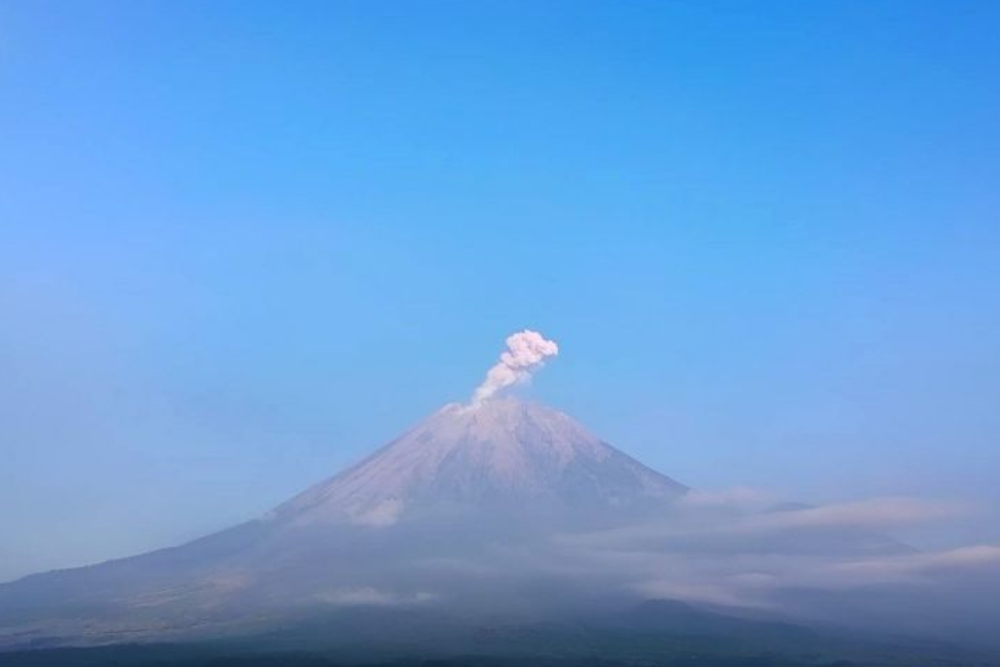
According to reports from GDELT, Semeru volcano has erupted four times within a short period, with ash columns reaching heights of approximately 1,000 meters. The eruptions have prompted local agencies to advise residents to remain vigilant and adhere to safety protocols. The activity at Semeru is characterized as medium severity, indicating ongoing eruptions that could pose risks to nearby settlements.
In addition to Semeru, Merapi volcano has also shown signs of increased activity, starting concurrently with Semeru's eruptions on January 3. The severity of Merapi's activity is likewise categorized as medium, suggesting that while the current eruptions may not be immediately life-threatening, they warrant continuous monitoring and preparedness from local authorities.
Volcanic eruptions in Indonesia are not uncommon given the country's position on the Pacific Ring of Fire, where tectonic activity is prevalent. The Semeru and Merapi volcanoes, both part of a larger volcanic landscape, have histories of eruptions that have impacted local populations and ecosystems.
Background on Semeru and Merapi
Semeru, known as the highest mountain in Java, has experienced several eruptions in the past, with notable volcanic activity recorded in 2021. The volcano is closely monitored by the Indonesian Center for Volcanology and Geological Hazard Mitigation (PVMBG), which provides timely updates on any changes in activity levels.
Merapi, one of Indonesia's most active and dangerous volcanoes, is located on the border between Central Java and Yogyakarta. It has a history of explosive eruptions and is frequently studied for its potential hazards. Both volcanoes are crucial not just for their geological significance but also for the local communities that depend on their fertile soils for agriculture.
Current Situation and Outlook
As of January 3, authorities have not reported any immediate evacuations, but the potential for further eruptions remains a concern. Local residents have been advised to prepare for possible ashfall, which can disrupt daily life, affect air quality, and pose health risks, particularly for vulnerable populations.
The Indonesian government continues to collaborate with scientists and local agencies to ensure that residents are informed and prepared. Monitoring efforts will remain heightened as the situation develops, with the PVMBG providing regular updates on the activity of both Semeru and Merapi.
In conclusion, as Indonesia faces renewed volcanic activity from Semeru and Merapi, the focus remains on safety and preparedness for local communities. The ongoing situation serves as a reminder of the natural forces at play in this geologically active region, highlighting the importance of vigilance in the face of such unpredictable events.