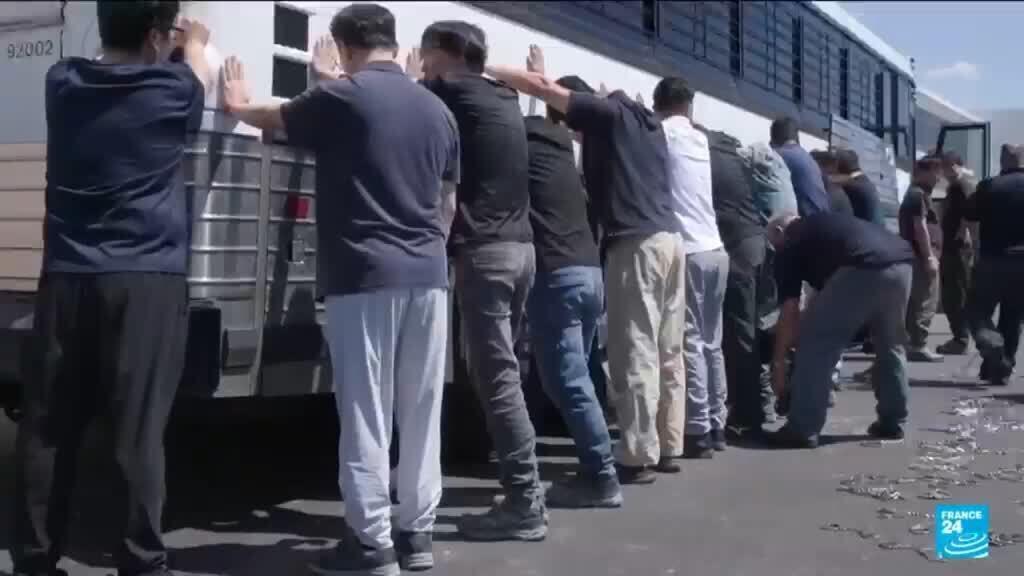

ICE Agent Kills Woman in Minneapolis Shooting, Fueling National Debate on Immigration Enforcement Violence
Minneapolis, Minnesota – A fatal shooting by a U.S. Immigration and Customs Enforcement (ICE) agent on January 7 has ignited widespread anger and scrutiny of the agency, highlighting a reported pattern of deadly incidents involving immigration officers. The victim, identified as Renee Nicole Good, was gunned down on a snow-lined street in the city, less than a mile from the site of George Floyd's 2020 killing, prompting Minnesota Governor Tim Walz to call for calm amid an ongoing investigation.
The incident occurred on Wednesday afternoon, drawing immediate attention due to its location in a city still resonant with memories of police violence. According to reports, an ICE agent fired on Good, resulting in her death. Details of the circumstances leading to the shooting remain under investigation by local and federal authorities, with officials yet to release a full timeline or justification for the use of lethal force. Governor Walz addressed the public shortly after, urging residents to remain calm as probes continue, emphasizing the need for transparency in the process.
Public reaction has been swift and intense. Demonstrations have emerged in Minneapolis and beyond, with activists decrying the shooting as emblematic of excessive force by federal immigration agents. France24 correspondent Fraser Jackson, reporting from Washington, noted growing anger across the U.S., capturing sentiments that the event underscores deeper issues within ICE operations. Social media and community leaders have amplified calls for accountability, drawing parallels to past incidents of law enforcement overreach in the area.
Broader Pattern of ICE Shootings Emerges
The Minneapolis case is not isolated, according to international reporting. El Pais detailed a concerning trend, stating that immigration agents have shot more than a dozen people in the past year alone, many of them drivers during routine or enforcement-related encounters. This pattern, described as sowing "terror" in communities, has raised alarms about the training, protocols, and oversight of ICE personnel. Critics argue that such incidents disproportionately affect immigrant and minority populations, exacerbating tensions around U.S. immigration policy.
France24's coverage also contextualizes the scrutiny on ICE, an agency under the Department of Homeland Security responsible for enforcing federal immigration laws, detaining undocumented individuals, and combating cross-border crime. Formed in 2003 post-9/11, ICE has long been a flashpoint in debates over border security and civil rights. Recent years have seen increased operations under various administrations, but this shooting has renewed questions about the agency's use-of-force standards, especially in urban settings far from the southern border.
The proximity of the shooting site to the George Floyd memorial—where Floyd was killed by Minneapolis police in 2020, sparking global Black Lives Matter protests—has amplified emotional responses. That event led to the conviction of former officer Derek Chauvin and sweeping police reform discussions nationwide. Activists note the symbolic weight, with some framing the ICE incident as a continuation of systemic violence against vulnerable groups.
Official Responses and Investigation Status
As of January 9, federal and state officials have not disclosed specifics on the agent's identity, Good's background, or whether she was a target of immigration enforcement. ICE has yet to issue a detailed statement, though standard protocol involves internal reviews by the agency's Office of Professional Responsibility alongside FBI and local police involvement. Governor Walz's plea for calm reflects efforts to prevent escalation, similar to responses during past high-profile incidents in the city.
Immigration advocates and civil rights groups, including the ACLU, have demanded an independent investigation, citing ICE's history of limited transparency in use-of-force cases. Conversely, supporters of stricter enforcement point to the dangers agents face, including pursuits of individuals suspected of immigration violations who may pose risks on public roads.
Outlook Amid Rising Tensions
This shooting arrives against a backdrop of polarized U.S. immigration discourse. With midterm elections approaching and debates over border security intensifying, the incident could influence policy discussions in Congress. Calls for ICE reform, including body cameras and de-escalation training, have gained traction in recent reports. Meanwhile, community leaders in Minneapolis are organizing vigils for Good, underscoring the human cost.
As investigations proceed, the nation watches closely. The balance between enforcement imperatives and public safety remains a core challenge for ICE, with this event likely to shape future operations and accountability measures. Updates are expected as authorities release findings, potentially shedding light on preventive steps to avert similar tragedies.
(Word count: 612)






