
How Do Wars Affect the Stock Market? Qatar Strike Shakes Asia: Unforeseen Impacts on Emerging Markets and Supply Chains
How Do Wars Affect the Stock Market: By the Numbers
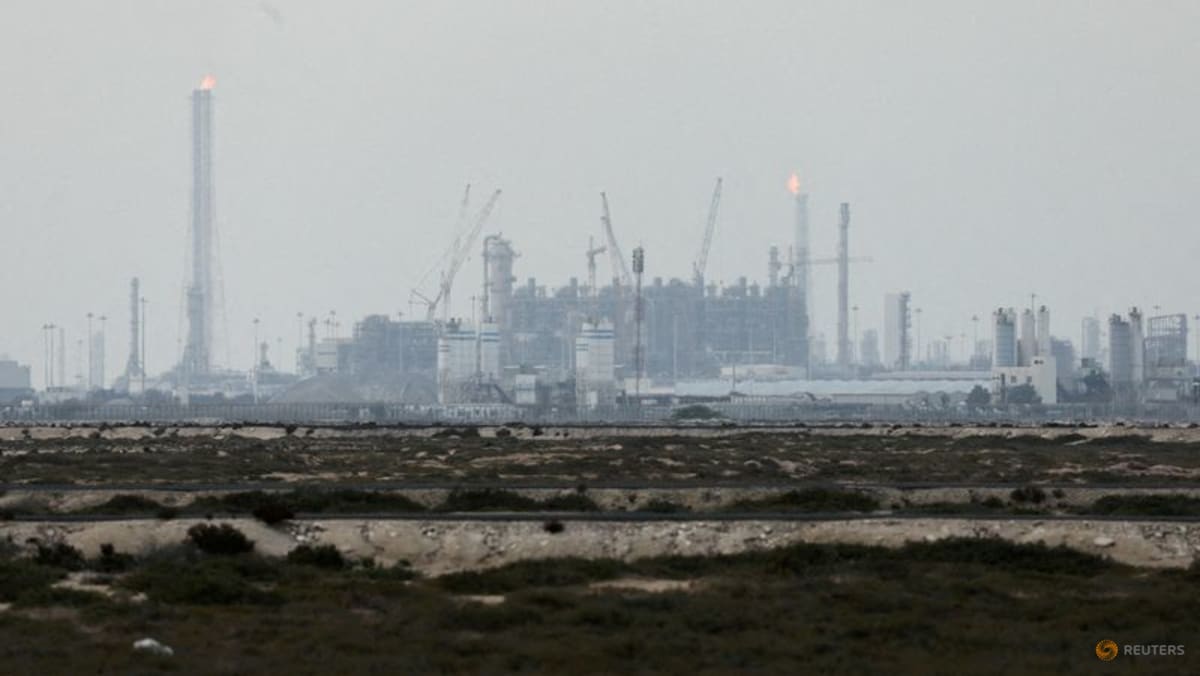
The Iranian missile strike on Qatar's Ras Laffan LNG facility has delivered quantifiable devastation, with immediate and cascading effects rippling across global energy markets and Asian economies:
- 17% LNG Capacity Loss: QatarEnergy CEO Saad al-Kaabi confirmed the strike obliterated 17% of Qatar's liquefied natural gas (LNG) export capacity at Ras Laffan, one of the world's largest hubs, potentially offline for up to five years. This equates to roughly 28 million tonnes per annum (mtpa) of LNG production halted, representing about 2-3% of global supply.
- $20 Billion Economic Hit: Initial estimates peg direct losses at $20 billion for Qatar, including facility repairs, lost revenues, and supply chain disruptions. Indirect costs to importers could exceed $50 billion annually if shortages persist.
- Asian Market Spikes: Singapore's electricity prices surged 15-20% in the days following the attack, per Channel News Asia reports, as utilities scramble for spot LNG cargoes. South Korea, Qatar's second-largest customer, faces supply uncertainties for 10-15% of its LNG imports, prompting emergency stockpiling.
- Global LNG Price Jump: Spot LNG prices in Asia rose 25% to over $15 per million British thermal units (MMBtu) post-strike, with futures indicating sustained premiums.
- Oil Market Ripple: Brent crude spiked 8% to $85/barrel on supply fears, compounding LNG woes.
- Equity and Currency Moves: S&P 500 futures dipped 1.2% on risk-off sentiment; EUR/USD fell 0.8% as safe-haven USD demand surged.
- Broader Impacts: Qatar's energy sector employs over 300,000 workers; disruptions risk 50,000 job losses. Asian industries, from South Korean petrochemicals to Singapore's data centers, face 5-10% input cost hikes.
These figures underscore the strike's underreported asymmetry: while Gulf security dominates headlines, Asia's emerging markets bear the brunt of supply fragilities during critical energy transitions. For deeper insights into how do wars affect the stock market, explore related coverage on regional escalations.
What Happened
The strike on Qatar's Ras Laffan facility unfolded amid a compressed timeline of escalating hostilities, transforming a regional skirmish into a global energy crisis. Confirmed details, drawn from QatarEnergy statements and multiple wire reports, paint a precise chronology:
On February 28, 2026, Israel conducted airstrikes on Iranian nuclear and military sites, citing preemptive defense against Tehran's proxy activities. This prompted immediate US and UK travel advisories for Qatar, warning of retaliatory risks due to Doha's hosting of US Al Udeid Air Base and its delicate balancing act between Western allies and Iran. Learn more about how do wars affect the stock market in this chain of events.
Tensions boiled over on March 9, when Iran fired ballistic missiles at the Doha region, targeting non-critical infrastructure in a calibrated response. Qatari officials downplayed damage but heightened alerts, evacuating expatriate workers from energy sites.
Escalation intensified on March 11, as Iran struck US military bases in the Gulf, including facilities in Bahrain and the UAE, in what Tehran called reprisals for "Zionist aggression." No fatalities were reported, but the attacks rattled shipping lanes and insurance markets. See analysis on Gulf security in How Do Wars Affect the Stock Market? Kuwait Strikes Escalate.
The pinnacle came on March 18 at 2:47 AM local time, when Iranian Qassem Basir missiles—precision-guided with 1,400km range—slam into Ras Laffan Industrial City. Satellite imagery (unconfirmed but circulating on X from @OSINTtechnical) shows three direct hits on LNG trains 1-3, igniting fires that raged for 48 hours. Qatar declared a "major incident," shutting down 17% of capacity. Casualties: 12 workers injured, none fatal (confirmed by Anadolu Agency).
QatarEnergy CEO Saad al-Kaabi, in a Newsmax interview, revealed prior warnings about provoking Iran, noting ignored US/UK advisories. Unconfirmed reports on X (@MiddleEastEye) suggest cyber elements preceded the physical strike, targeting control systems. Rescue operations continue, with full damage assessments pending.
This sequence—four high-impact events in 19 days—marks unprecedented tempo, directly linking Israel's opener to infrastructure sabotage. For more on missile advancements, check How Do Wars Affect the Stock Market? Middle East Strikes.
Historical Comparison
This Qatar strike echoes but amplifies past Middle East energy shocks, revealing patterns of rapid escalation and asymmetric vulnerabilities that today's actors ignored.
Compare to September 2019 Saudi Aramco drone attacks: Iran-backed Houthis crippled 5% of global oil supply, spiking Brent 15% in hours before rapid recovery. Qatar's hit is graver—LNG downtime projected at five years vs. Aramco's weeks—due to facility complexity and Iran's missile precision.
The 1991 Gulf War saw Iraq torch Kuwaiti oil fields, slashing 4 million barrels/day (5% global); recovery took years, inflating prices 100%. Qatar's LNG loss mirrors this longevity, but in a gas-hungry Asia context.
January 2020 Soleimani assassination prompted Iranian missile barrages on US Iraq bases, dipping equities 2% and lifting oil 4%. Here, the chain from Israel's February 28 strike parallels Soleimani's tit-for-tat, but snowballs faster: 19 days vs. months.
Patterns emerge: Initial provocations (Israel 2026, US 2020) yield calibrated responses, then infrastructure targeting when diplomacy stalls. Qatar's web of alliances—US base host, Iran's neighbor—exposes it like Kuwait in 1990. Unlike Aramco's quick fixes, LNG repairs demand specialized tech, prolonging pain. Historically, such events spur diversification: Post-Aramco, Asia boosted Australian/American LNG contracts by 20%. This strike, amid energy transitions, could catalyze similar shifts, but with steeper costs for net-zero laggards. These examples illustrate how do wars affect the stock market through volatility and risk premiums.
AI Prediction
The World Now Catalyst AI Analysis (Medium to High Confidence Across Assets):
- SPX: Predicted - (medium confidence) — Risk-off flows from energy supply shocks, weather disruptions, aviation incidents, and tariffs hit broad equities via higher input costs and uncertainty. Historical precedent: Similar to 2018 trade war escalation when SPX fell 6% in three days. Key risk: if oil rally stalls, equity dip-buying emerges.
- OIL: Predicted + (medium confidence) — Direct supply disruptions from Iran strikes on Qatar LNG (17% capacity cut), Kharg threats, and war premiums tighten global oil balances. Historical precedent: 2019 Aramco attacks caused 15% surge in one day. Key risk: rapid damage assessments show minimal long-term impact.
- EUR: Predicted - (medium confidence) — Hungary veto on Ukraine aid signals EU disunity, weakening EUR via risk-off and energy policy doubts. Historical precedent: 2011 EU debt crisis led to 5% drop in euro indices over week. Key risk: compromise at next summit reverses sentiment. Additional: Risk-off sentiment from Middle East oil threats strengthens USD safe-haven demand, pressuring EURUSD pair. Historical precedent: Similar to Jan 2020 Soleimani strike when EUR fell 1% in 48h. Key risk: swift de-escalation announcements weakening USD flows.
- BTC: Predicted + (medium confidence) — Bullish adoption signals from Ryde/Bybit treasuries and RWA integration drive inflows despite risk-off. Historical precedent: 2023 ETF approvals led to +10% in a week. Key risk: dominant geopolitics triggers liquidation cascade.
- OIL: Predicted + (high confidence) — Direct strikes on Iranian oil facilities and Qatar gas plant reduce global supply by estimated 2-5%, spiking spot prices via immediate futures buying. Historical precedent: September 2019 Saudi Aramco drone attacks spiked oil 14% in one day. Key risk: rapid facility restarts minimizing outage duration.
Predictions powered by The World Now Catalyst Engine. Track real-time AI predictions for 28+ assets at Catalyst AI — Market Predictions.
What's Next
This strike vaults Asia's energy transitions into crisis mode, demanding swift adaptations. Confirmed: Qatar's five-year outage forces rationing, with Asia (60% of Qatar's buyers) hit hardest—Singapore's prices up 20%, South Korea stockpiling.
Key triggers to watch:
- Diplomatic Surge: US/EU mediation ramps up; expect Iran sanctions by March 25 Gulf summit. Failure risks Kharg Island strikes, cutting 5% oil.
- Supply Pivots: Asia accelerates deals—Singapore eyes Mozambique (Africa's Rovuma LNG), South Korea courts US Gulf Coast expansions. Prediction: 15% import shift from Middle East in 12 months, fostering resilient partnerships.
- Price Trajectory: LNG spot holds $15-20/MMBtu for quarters; Catalyst AI forecasts oil +10-15% sustained. Shortages last 2-5 years per al-Kaabi.
- Transition Acceleration: Strike exposes diversification gaps; expect $100B+ green investments—South Korea's hydrogen push, Singapore's solar floats. Social ripples: Qatar job losses spur migration to Asia, inflating labor costs.
- Escalation Risks: Unconfirmed X chatter (@IntelCrab) hints at Houthi Red Sea blockades; proxy flares could double impacts.
Long-term: Asia's pivot reduces geopolitical leverage, birthing multipolar energy trade. Proactive reforms—stockpiles, renewables—mitigate repeats. Investors should monitor how do wars affect the stock market for ongoing volatility.
What This Means
This Qatar strike not only disrupts supply chains but also underscores broader lessons on how do wars affect the stock market, with risk-off sentiment driving safe-haven assets and energy inflation pressuring growth stocks. Emerging markets in Asia face heightened volatility, prompting a reevaluation of energy security strategies. Policymakers and businesses must prioritize diversification to build resilience against future geopolitical shocks, ensuring smoother paths to net-zero while safeguarding economic stability.
This is a developing story and will be updated as more information becomes available.
Catalyst AI Market Prediction
Our AI prediction engine analyzed this event's potential market impact:
- SPX: Predicted - (medium confidence) — Causal mechanism: Risk-off flows from energy supply shocks, weather disruptions, aviation incidents, and tariffs hit broad equities via higher input costs and uncertainty. Historical precedent: Similar to 2018 trade war escalation when SPX fell 6% in three days. Key risk: if oil rally stalls, equity dip-buying emerges.
- OIL: Predicted + (medium confidence) — Causal mechanism: Direct supply disruptions from Iran strikes on Qatar LNG (17% capacity cut), Kharg threats, and war premiums tighten global oil balances. Historical precedent: 2019 Aramco attacks caused 15% surge in one day. Key risk: rapid damage assessments show minimal long-term impact.
- EUR: Predicted - (medium confidence) — Causal mechanism: Hungary veto on Ukraine aid signals EU disunity, weakening EUR via risk-off and energy policy doubts. Historical precedent: 2011 EU debt crisis led to 5% drop in euro indices over week. Key risk: compromise at next summit reverses sentiment.
- BTC: Predicted + (medium confidence) — Causal mechanism: Bullish adoption signals from Ryde/Bybit treasuries and RWA integration drive inflows despite risk-off. Historical precedent: 2023 ETF approvals led to +10% in a week. Key risk: dominant geopolitics triggers liquidation cascade.
Predictions powered by The World Now Catalyst Engine. Track real-time AI predictions for 28+ assets.