
Housing Anxiety Stalls Psychological Recovery for Survivors of Deadly Tai Po Fire in Hong Kong
HONG KONG – More than six weeks after a catastrophic fire at Wang Fuk Court in Tai Po claimed 161 lives, survivors are grappling not only with profound trauma but also with acute uncertainty over their long-term housing, mental health experts say. This anxiety is significantly impeding the psychological recovery of the nearly 5,000 displaced residents, many of whom remain in temporary accommodations such as hotels and youth hostels.
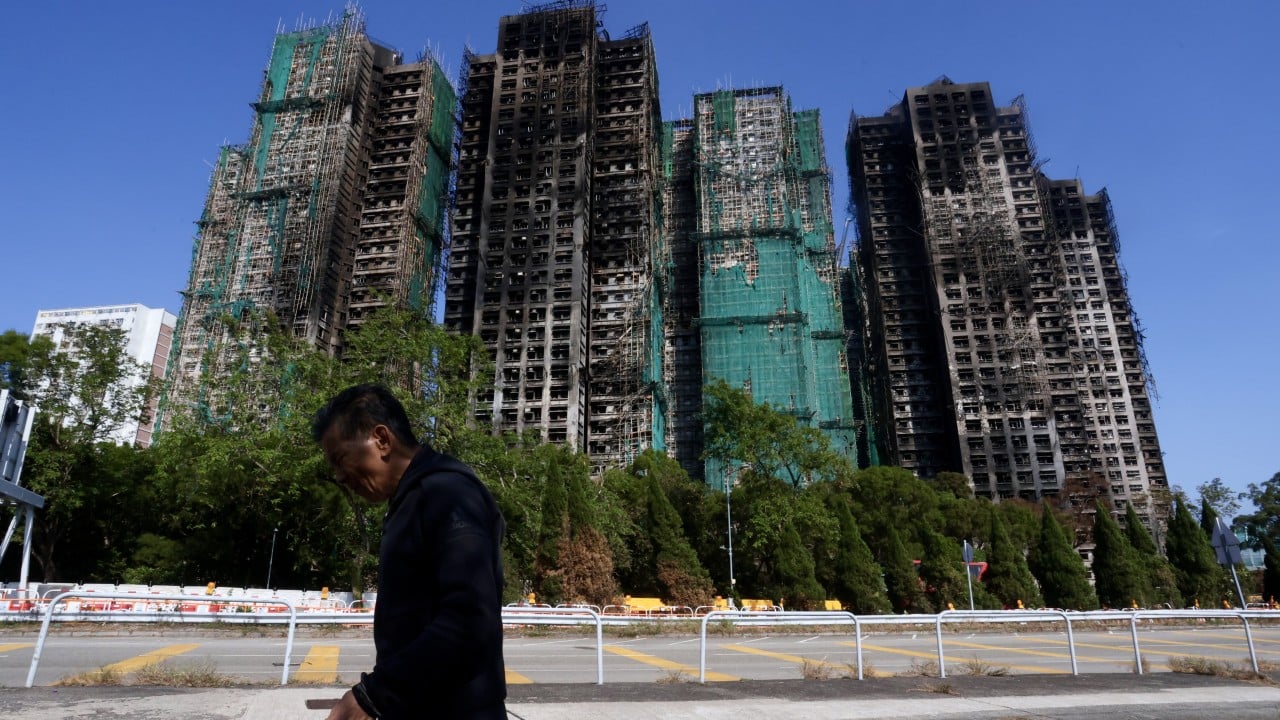
The inferno erupted on November 26, 2025, at the public housing estate in Hong Kong's New Territories, becoming one of the deadliest residential fires in the city's history. It killed 161 people, injured 79 others, and forced the evacuation of almost 5,000 residents from the 600-unit complex. Mental health professionals have highlighted that while immediate grief counseling is underway, the lack of clarity on permanent resettlement is exacerbating post-traumatic stress, anxiety disorders, and depression among survivors.
"Housing anxiety has hindered the psychological healing of residents affected by the deadly Tai Po fire," mental health experts told the South China Morning Post. Survivors, many elderly or low-income families reliant on public housing, are reportedly struggling with disrupted routines and fears of indefinite displacement. The government's provision of transitional housing—such as hotels and youth hostels—has offered short-term relief but falls short of restoring a sense of stability essential for mental recovery.
In response, Hong Kong authorities announced on Friday, January 9, 2026, that they are launching a poll of flat owners to gauge preferences for long-term resettlement options. This survey marks a key step toward rebuilding, potentially including reconstruction on the site or relocation to other public housing estates. Officials have not specified a timeline for results or implementation, leaving many survivors in limbo.
The Scale of the Tragedy and Immediate Aftermath
Wang Fuk Court, a 40-year-old public rental housing block managed by the Hong Kong Housing Authority, was home to thousands of lower-income residents when the fire broke out. Preliminary investigations pointed to electrical faults as a possible cause, though a full inquiry is ongoing. The blaze spread rapidly through the high-rise, overwhelming firefighters and leading to heartbreaking scenes of residents trapped on upper floors.
In the immediate aftermath, the government mobilized emergency resources, providing over HK$10,000 (about US$1,280) in initial aid per affected household, along with medical care and temporary shelters. By early December 2025, most displaced individuals had been housed in 20-odd hotels, youth hostels, and modular transitional units across the New Territories. Social welfare organizations, including the Hong Kong Red Cross and Caritas, stepped in with counseling services, but experts note that protracted uncertainty undermines these efforts.
Mental health professionals emphasized that trauma recovery follows a phased process: stabilization, processing grief, and rebuilding life. "Without secure housing, survivors cannot progress beyond the first stage," one expert noted, underscoring how Hong Kong's chronic housing shortage amplifies the crisis.
Broader Context: Hong Kong's Housing Crisis
Hong Kong's public housing system, which accommodates about half of its 7.5 million residents, is strained by decades-long shortages. The average wait time for public rental flats exceeds five years, with over 200,000 applicants on the list as of late 2025. The Tai Po fire has intensified scrutiny on aging estates built in the 1970s and 1980s, many lacking modern fire safety features like sprinklers—a persistent issue highlighted in past tragedies, such as the 2016 Shek Kip Mei fire that killed 16.
The incident echoes earlier disasters, including the 2023 Jordan Road fire that killed 11, prompting vows of safety upgrades. Yet, progress has been slow amid land scarcity and construction delays. The Wang Fuk Court fire has spurred calls for accelerated retrofitting, with Chief Executive John Lee vowing in December 2025 to prioritize fire safety audits across 1,000 public housing blocks.
Economically, the fire has ripple effects. Displaced workers, particularly in low-wage sectors, face income losses from commuting challenges and childcare disruptions. Community ties in tight-knit estates like Wang Fuk Court—where generations lived together—are frayed, compounding isolation.
Government Response and Path Forward
The Housing Authority's polling initiative, targeting original flat owners, will inform decisions on whether to rebuild on-site or rehouse elsewhere. Options under consideration include vacant units in nearby estates or new developments under the Light Public Housing scheme, which aims to deliver 30,000 units by 2027.
Mental health support has been ramped up, with hotlines and on-site therapists available 24/7. Non-governmental organizations report treating hundreds for acute stress, with long-term programs planned. However, experts urge faster resettlement to mitigate risks like substance abuse or family breakdowns.
As Hong Kong navigates this humanitarian challenge, the Tai Po fire serves as a stark reminder of vulnerabilities in its densely packed urban landscape. With the poll underway, survivors await news that could mark the turning point in their recovery—both emotional and residential. Authorities have promised updates soon, but for now, the shadow of uncertainty lingers over a community forever changed.
(Word count: 712)